
Last updated November 21, 2026
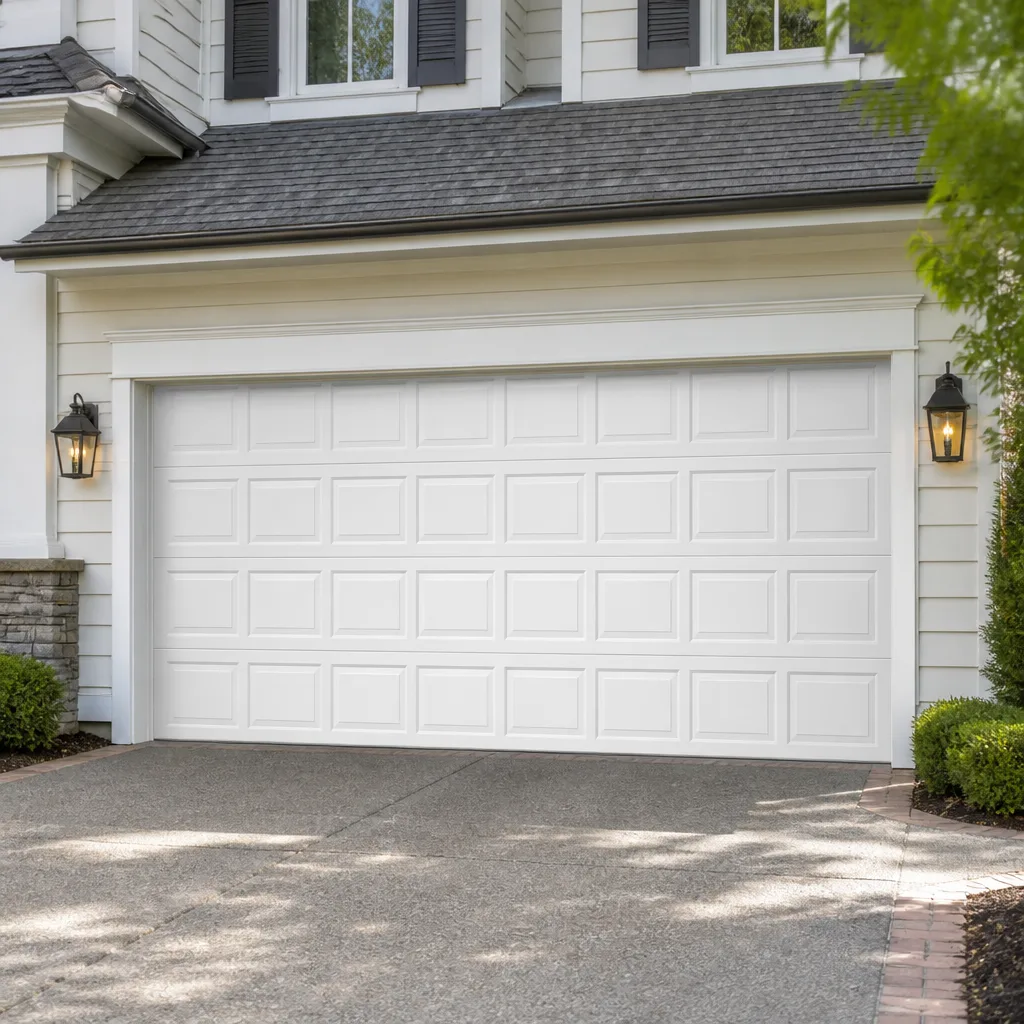 Raised-panel steel
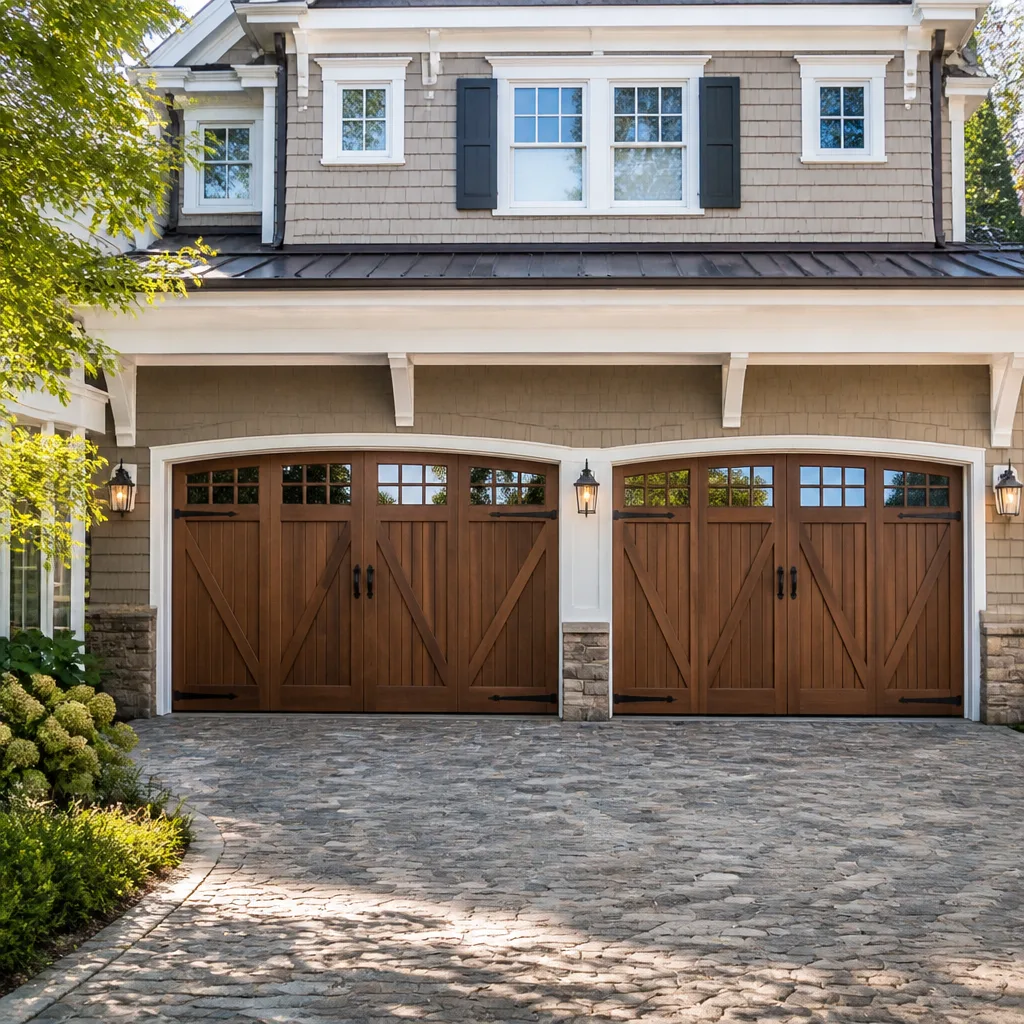 Carriage house
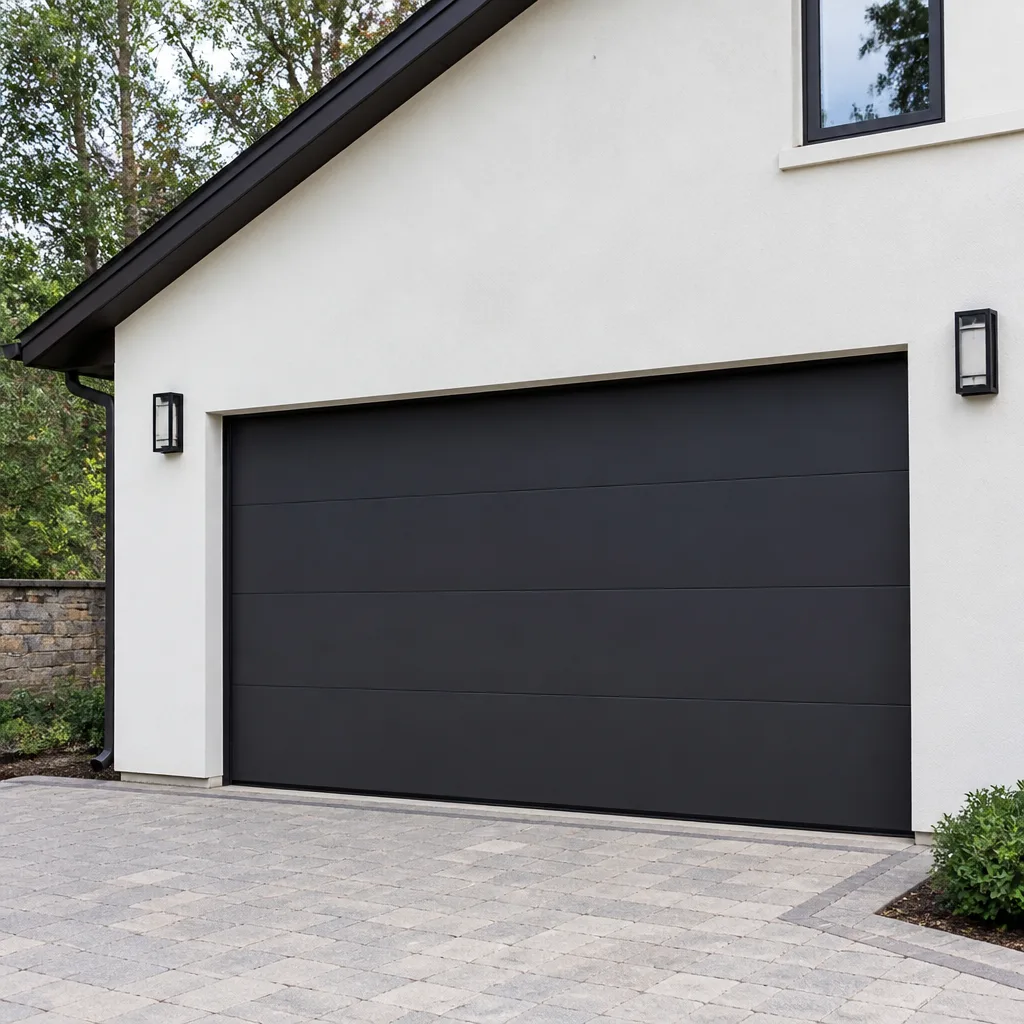 Modern flush
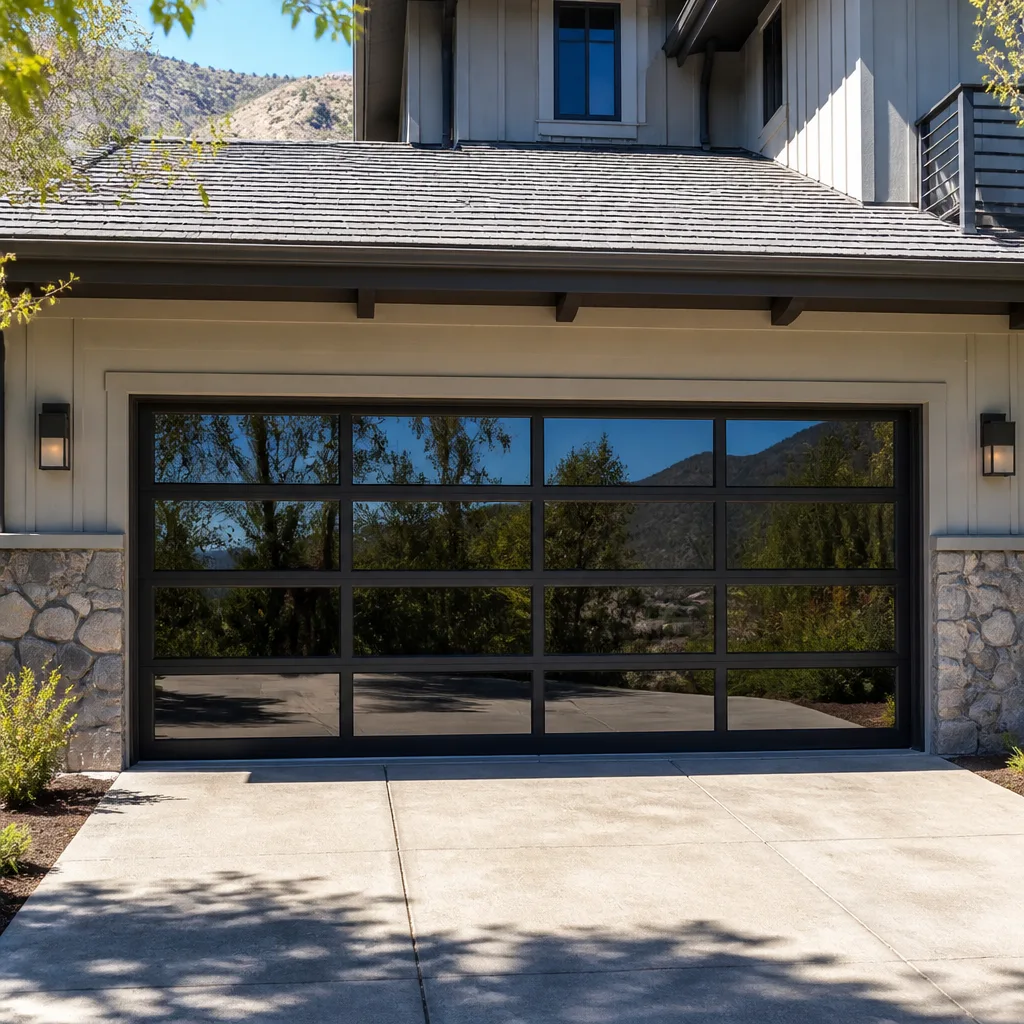 Full-view glass
 LiftMaster openers
 Chamberlain openers
Full 25-point door and opener safety check with every visit - springs, cables, rollers, tracks, and your LiftMaster or Chamberlain opener included
You get a price before we start. It does not change when the pro arrives.
Get your free estimateGarage Door Repair Troubleshooting in Somerton: Common Problems and How to Fix Them
The door that “just stopped working” almost never stopped for one reason. Something changed before it quit: a grind that showed up a few mornings earlier, a squeal that got louder as the weather turned, or a faint click from the opener with no movement at all. Those sounds are the door telling you where to look first, and most Somerton homeowners skip straight past them to the wrong diagnosis. In this guide we map the everyday complaints we hear in Somerton to their actual mechanical causes, separate the fixes you can safely handle yourself from the ones that can put you in the hospital, and explain why our freeze-thaw winters here cause failures you won’t see in milder climates.
Quick Answer
Most garage door problems come down to five causes: a broken torsion or extension spring, worn rollers and hinges, a misaligned safety sensor, a stripped opener gear or dead logic board, or a door that’s gone out of balance. Grinding means metal-on-metal wear, squealing points to dry moving parts, and total silence usually means an opener or power problem, not the door itself. Springs and cables are never a do-it-yourself job; lubrication, sensor alignment, and remote reprogramming usually are.
Styles & brands we work with
- Raised-panel steel
- Carriage house
- Modern flush
- Full-view glass
- LiftMaster openers
- Chamberlain openers
Table of Contents
- What the Noise Tells You: Grinding vs. Squealing vs. Silence
- Why Somerton’s Freeze-Thaw Cycles Cause Seasonal Door Failures
- Safe Fixes vs. Dangerous Repairs: Know the Line
- How to Tell If the Problem Is the Opener or the Door
- The Balance Test Every Somerton Homeowner Should Do Twice a Year
- Sensor Problems: The Faulty Safety Beam Behind Most “Won’t Close” Calls
- Brand-Specific Logic: LiftMaster, Craftsman, Wayne Dalton, and Raynor
- Repair or Replace the Door? How to Decide
What the Noise Tells You: Grinding vs. Squealing vs. Silence
The sound a failing door makes is a diagnostic signature. Grinding, squealing, and silence each point to a different mechanical layer, and identifying the right layer saves you from paying for the wrong part. Here’s how we break it down on a first call.
Grinding
Grinding is metal dragging on metal, and it almost always traces to worn steel rollers that have lost their nylon or plastic outer layer, or to hinges whose pin joints have seized. In Somerton, doors on south-facing walls see wider temperature swings through the day, and that expansion-contraction cycles grit into the track where rollers pivot. Left alone, grinding wears the track itself, which turns a $90 roller swap into a track replacement. If you hear grinding, stop running the door and inspect the rollers before the next open.
Squealing
Squealing is friction without enough lubrication: dry torsion springs (on the coil itself, not the bar), dry bearing plates, or hinges that have never seen oil. It’s the most forgiving symptom on this list. A garage door is the largest moving part in your home, and it has more moving joints than most homeowners assume, so a proper lubrication routine covers springs, hinges, rollers, and the opener rail. Squealing on a cold morning in Somerton is usually just thickened factory grease, not a failing part.
Silence
When you press the remote and get nothing, or a single click and no motion, the door’s mechanical components are likely fine. Silence is an electrical signal: a dead opener capacitor, a tripped logic board, a stripped nylon gear inside the opener housing, a snapped safety-beam wire, or simply a power loss at the outlet feeding the opener. Our garage door opener repair work begins with this electrical layer before we ever touch the door.
Why Somerton’s Freeze-Thaw Cycles Cause Seasonal Door Failures
Somerton gets the kind of winter that thaws by afternoon and refreezes at night, and that cycle does specific damage a door in a temperate climate never experiences. Water works into the gaps at the bottom seal, freezes overnight, expands, and pushes the seal away from the door panel. The next morning the door drags on the ice that formed under it, the opener strains, and either the opener gives out or the bottom bracket tears free of the panel skin.
We see three patterns in Somerton that repeat every season:
- Frozen bottom seals. The rubber U-seal at the base of the door freezes to the concrete slab, and the opener’s first pull tears the seal or the bottom bracket. A quick visual check before you raise a door after a freeze costs nothing.
- Contracted springs. Cold steel contracts, so a spring that was carrying the door’s weight in October is under a different load in January. Springs that were near the end of their life snap on the first cold morning, which is exactly why so many “it worked yesterday” calls come in on a cold Somerton weekday.
- Seized rollers and hinges. Moisture from a thaw refreezes overnight in a roller’s bearing, and the roller physically can’t rotate the next morning. The door fights the drag, the opener strains, and you hear the grinding described above.
None of this means you should park the car outside all winter. It means that a fall lubrication and balance check in Somerton catches most of these before the first hard freeze. For older doors, a bent or seized track also needs a look; our garage door repair work starts with a full inspection of the track, seals, and hardware before any spring is touched.
Safe Fixes vs. Dangerous Repairs: Know the Line
There’s a clean line in this trade, and it isn’t about difficulty. It’s about stored energy. Anything that holds the door’s weight under tension is off-limits to homeowners; anything that doesn’t can be handled with a screwdriver and an afternoon. Here’s our short list.
Safely handled by a homeowner
- Lubrication. A light lithium or silicone-based lubricant on rollers, hinges, torsion springs (the coil, never the cables), and the opener rail. Not WD-40 on the track itself, which attracts grit.
- Sensor alignment. Two small lenses on either side of the door opening should be pointed at each other, roughly 4 to 6 inches above the floor, with no spiderwebs or cobwebs across the beam.
- Remote and keypad reprogramming. Matching a new remote to an opener is a button-and-blink-code routine, and resetting a LiftMaster or Chamberlain keypad is well documented in the manual.
- Visual inspection. Look for frayed cables, uneven door panels at rest, and rust pinholes on the springs.
Not a homeowner job
- Torsion and extension springs. A torsion spring stores enough energy to break bones or worse. A trained technician knows how to wind and unwind one safely. We handle this as our own hands-on spring repair work.
- Cable replacement. Cables are under the same load as springs and can whip free when released. A damaged cable is a stop-the-door-now situation.
- Track straightening. A bent track is under tension, and forcing it back into shape can release a loaded door.
- Panel replacement over a loaded spring. Heavy panels come off easily but come down hard if the spring tension isn’t released first.
A garage door’s spring system is one of the most dangerous components in a home, and this is where a specialist earns their keep. For a free estimate on anything in the “not a homeowner job” list, call (844) 992-2726.
How to Tell If the Problem Is the Opener or the Door
Every opener has a manual release cord, usually a red handle hanging from the trolley. Pulling it disconnects the door from the opener drive, and that one motion answers the question that saves most of our Somerton customers from an unnecessary service call.
- Pull the release cord. The door disconnects from the opener drive. You now have a free-swinging door.
- Lift the door by hand about halfway and let go. If it stays in place or moves with light effort, the door itself is balanced and the opener is the fault. If it slams or feels extremely heavy, the door’s spring system is the fault.
- Press the wall button with the door disconnected. If the opener runs but the door doesn’t move, the drive or logic is fine and the door was the problem. If the opener does nothing, or clicks once and stops, the opener is the fault.
- Reengage the trolley. When the door is down, run the opener until the trolley catches the release lever, or pull the cord again once the trolley passes the lever.
That three-minute test tells you which side of the Garage Door Repair Somerton line you’re on: an opener diagnosis or a mechanical diagnosis. From there the work narrows. Stripped nylon gears in older Craftsman openers are a common silent-failure cause, as are cold-soldered logic boards on the LiftMaster units that came in during the connected-opener era. We test the opener with a meter and the door with a hand-lift before quoting either.
The Balance Test Every Somerton Homeowner Should Do Twice a Year
A door can open, close, and look perfectly normal while being dangerously out of balance. The springs are still loaded correctly for a door that weighed the same last spring and the spring before, so when the door’s weight creeps up (moisture in wood panels, water-soaked seals, rusted hardware) the balance drifts, and the opener carries the extra load invisibly until it fails. This test is worth doing in the fall and again in the spring.
- Disconnect the opener. Pull the manual release cord, small door only, standing to the side and clear of the spring and cables.
- Lift the door to about half height and hold it steady with one hand. Don’t put your hand near the hinge line or the springs.
- Let go gently. A balanced door hangs within a few inches of that spot. A door that drifts down or slams has lost spring tension or gained weight.
- Repeat at quarter and three-quarter height. A door that’s balanced in one spot and drops in another is a warning sign of uneven wear.
- Reengage the opener when the door is fully closed.
If the door drops at any point in the test, don’t run it through more cycles to see if it “settles.” A door that’s out of balance in Somerton is a door on the way to a spring failure, and getting it adjusted proactively costs far less than an emergency repair after something snaps. Balance is also the single best predictor of door safety we know.
Sensor Problems: The Faulty Safety Beam Behind Most “Won’t Close” Calls
When the door stops and reverses a few inches off the floor, the safety beam is the first thing to check. Two small photo-eye sensors on either side of the door opening watch for anything crossing the path, and if they don’t see each other clearly the door reverses on purpose. It’s a safety feature working correctly, triggered by something mundane.
- A spiderweb or a fallen leaf across the beam. The most common cause. Wipe both lenses.
- Dirt or frost on a lens. Somerton’s morning frost collects on the outside lens and can dim the beam enough to trigger a reverse.
- A bumped sensor. The lenses have to point at each other, but plenty of homeowners bump one while wheeling out a trash can and don’t notice. Look for a blinking LED on each sensor, which most brands use to signal misalignment.
- A nicked or chewed wire. Sunlight-degraded insulation or a rodent in the low-voltage run is a less common but real cause.
- A sun-facing sensor. Direct sun at the same time every morning can overwhelm the beam. Reposition the bracket a few inches out of the path of the light.
If the lenses are aligned, clean, and still showing a fault, the sensor itself has likely failed. Sensor replacement is straightforward and covered in the same garage door opener repair visit as the opener diagnosis, since the two systems share a control circuit. For a free estimate on a sensor pair, call (844) 992-2726.
Brand-Specific Logic: LiftMaster, Craftsman, Wayne Dalton, and Raynor
Diagnosing by brand shortens the repair, because each brand has a known failure pattern. We work the brand you already own: LiftMaster, Chamberlain, Genie, Clopay, Amarr, Wayne Dalton, Craftsman, and Raynor are all inside our scope, and every technician we work with is trained to read each brand’s diagnostic signals directly.
A Wayne Dalton door, for example, uses proprietary track geometry and hinge profiles, so a replacement part has to match the model family, not a generic roller from a hardware store. A Craftsman opener from the legacy era typically fails one of two ways: a stripped nylon drive gear or a worn wall-button wire connection at the terminal strip. Raynor torsion systems have their own spring anchor design, and a spring swap on a Raynor isn’t the same job as one on a Clopay. LiftMaster’s connected openers add a third failure layer (Wi-Fi module, logic board, and wall control all interacting), which is a different diagnostic path than a 15-year-old chain-drive unit.
This is what “garage doors only” actually buys you: our technicians have up to 14 years of experience on these specific systems, we don’t transfer a general handyman into garage door work, and we don’t guess at a part number when the door model is printed on the sticker on the inside of a panel. Our garage door installation work is covered by the same brand fluency from the day the door goes up.
Repair or Replace the Door? How to Decide
Replacing a single worn part is almost always cheaper than a new door, but there’s a point where the math flips. Here’s how we frame the decision for Somerton homeowners.
- Repair if the door is under 15 years old, the panels are straight, the springs are the only failure, and the opener is still within its normal service life. One spring, one sensor, one hinge set: all repairs.
- Repair with caution if the door is 15-20 years old and the failure is isolated. At that age a repaired door can be good for years, but a second failure within a few months suggests the whole system is aging out.
- Replace if the panels are dented or rusted through, the track is bent in more than one place, or you’ve had three or more separate repairs in the last two years. At that point every new repair is buying time on a system that’s telling you it’s done.
- Replace if you’re also changing the opener. A 20-year-old opener paired with a new door is an unbalanced match, and a new opener on a 20-year-old spring system is the reverse problem.
We don’t push replacement when a repair is the right call, and we don’t hide the cost of a replacement when that’s the honest answer. A free estimate includes both options when the door is borderline.
Common Mistakes to Avoid
- Running the door on a grinding track. Every extra cycle wears the track more. If a roller is grinding, park the car outside until it’s replaced.
- Oiling the track itself. Lubricant on the track surface collects grit and turns the track into sandpaper. Lubricate the rollers, not the rail they ride on.
- Adjusting spring tension without the right tools. Winding bars are not available at a hardware store, and a screwdriver isn’t a substitute. A torsion spring can release in a fraction of a second, and there is no safe way to adjust one without the proper tool and training.
- Ignoring a “working” door that drops in the balance test. A door that’s out of balance is a door that fails without warning, and a mid-winter failure in Somerton is both an emergency and a safety hazard.
- Rewiring a sensor to bypass a reverse. Disabling the safety beam gets the door to close, and takes away the only thing that automatically stops it on a person or pet in the path.
- Calling a general handyman for a spring. Springs, cables, and track work need the specific tooling and torque knowledge a garage door specialist carries.
- Skipping the fall lubrication. Twenty minutes of lubrication in October prevents most of the seized-roller calls we get in January.
See the difference
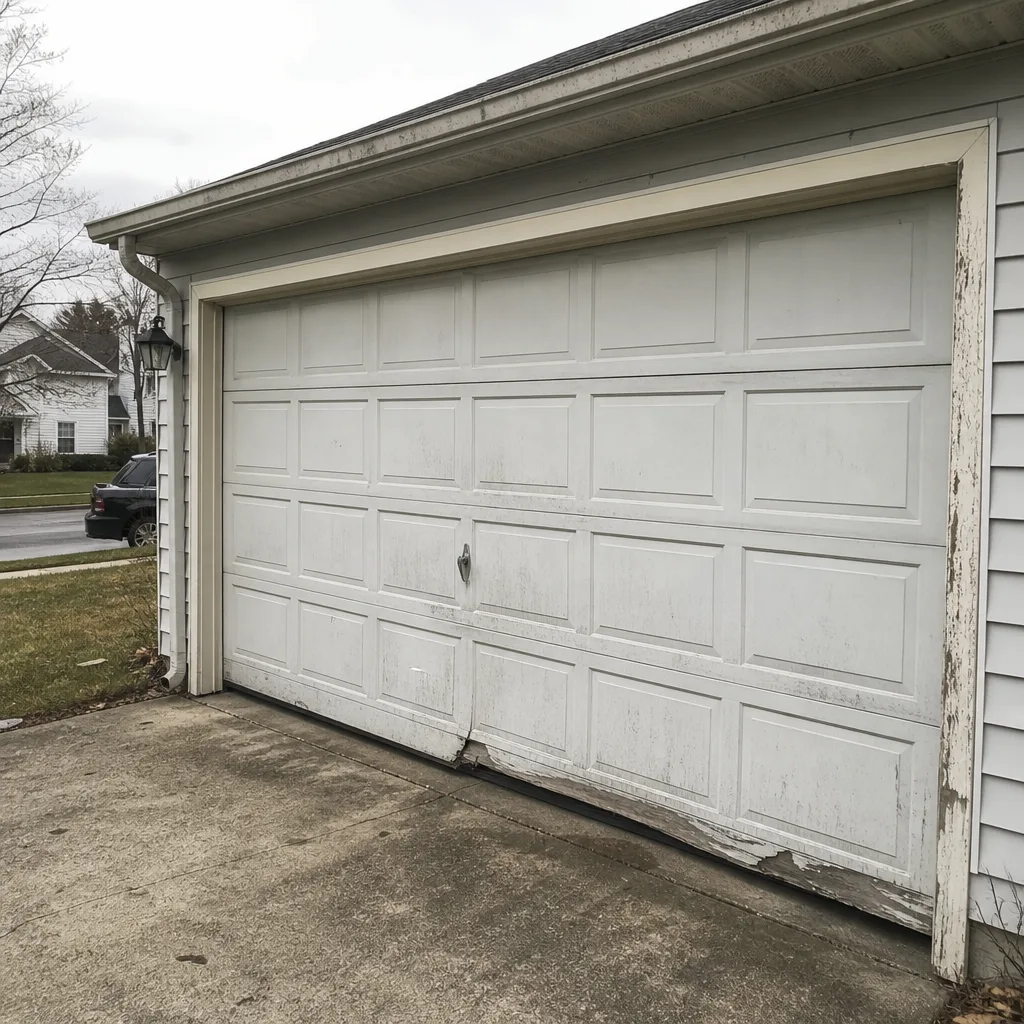 Before
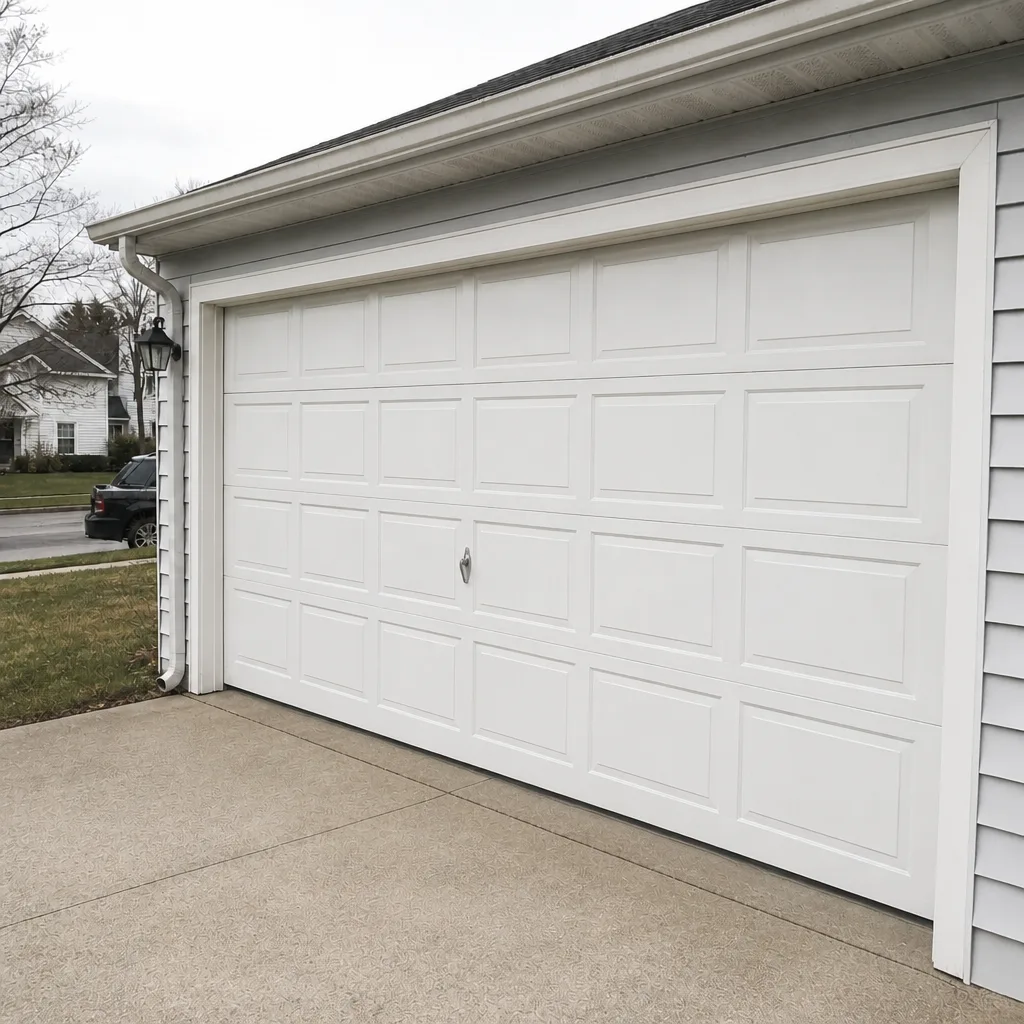 After
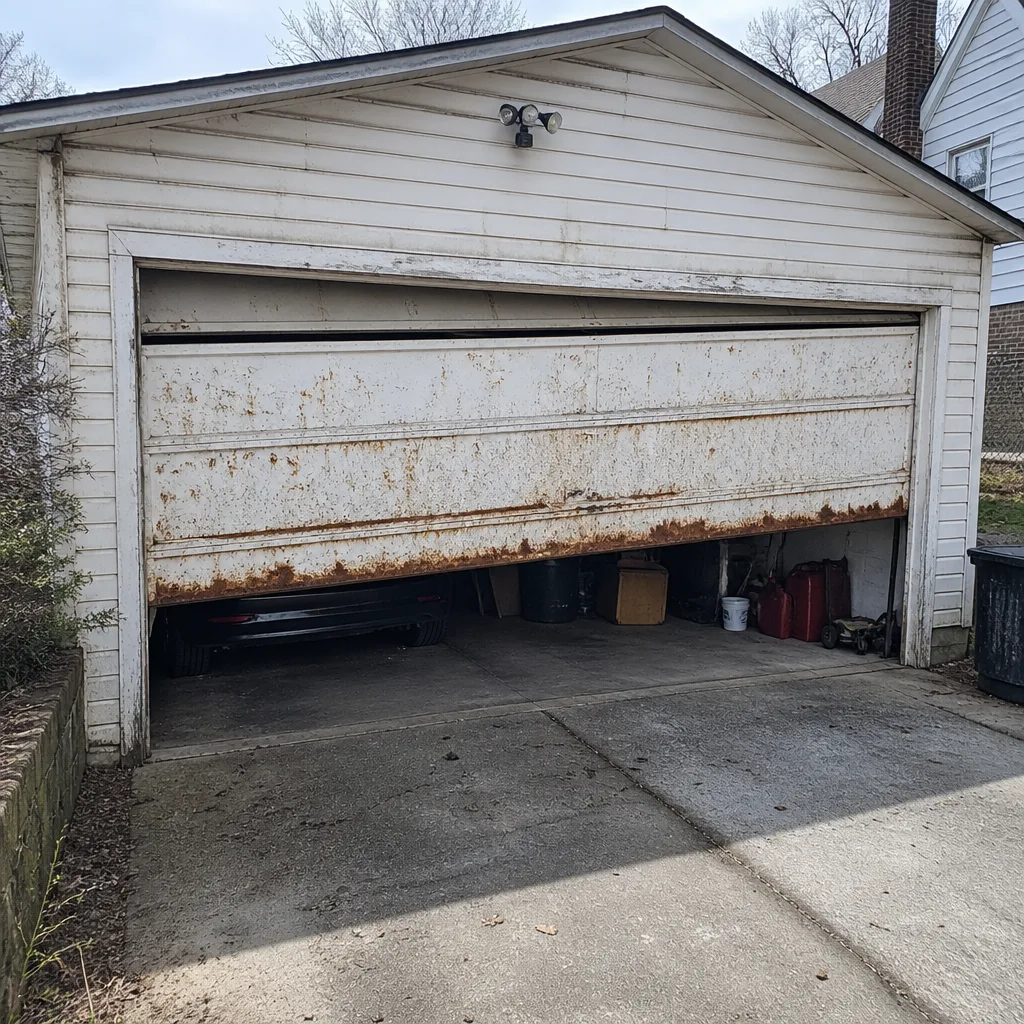 Before
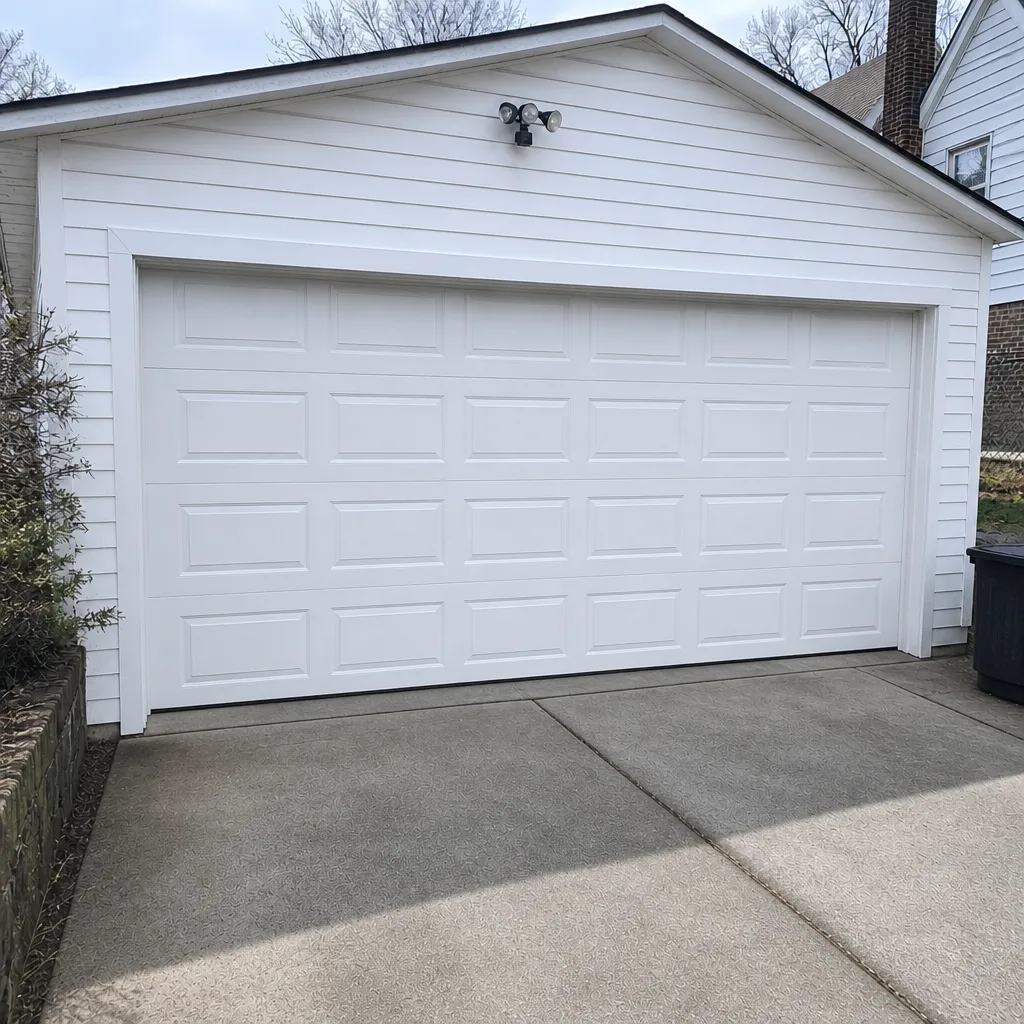 After
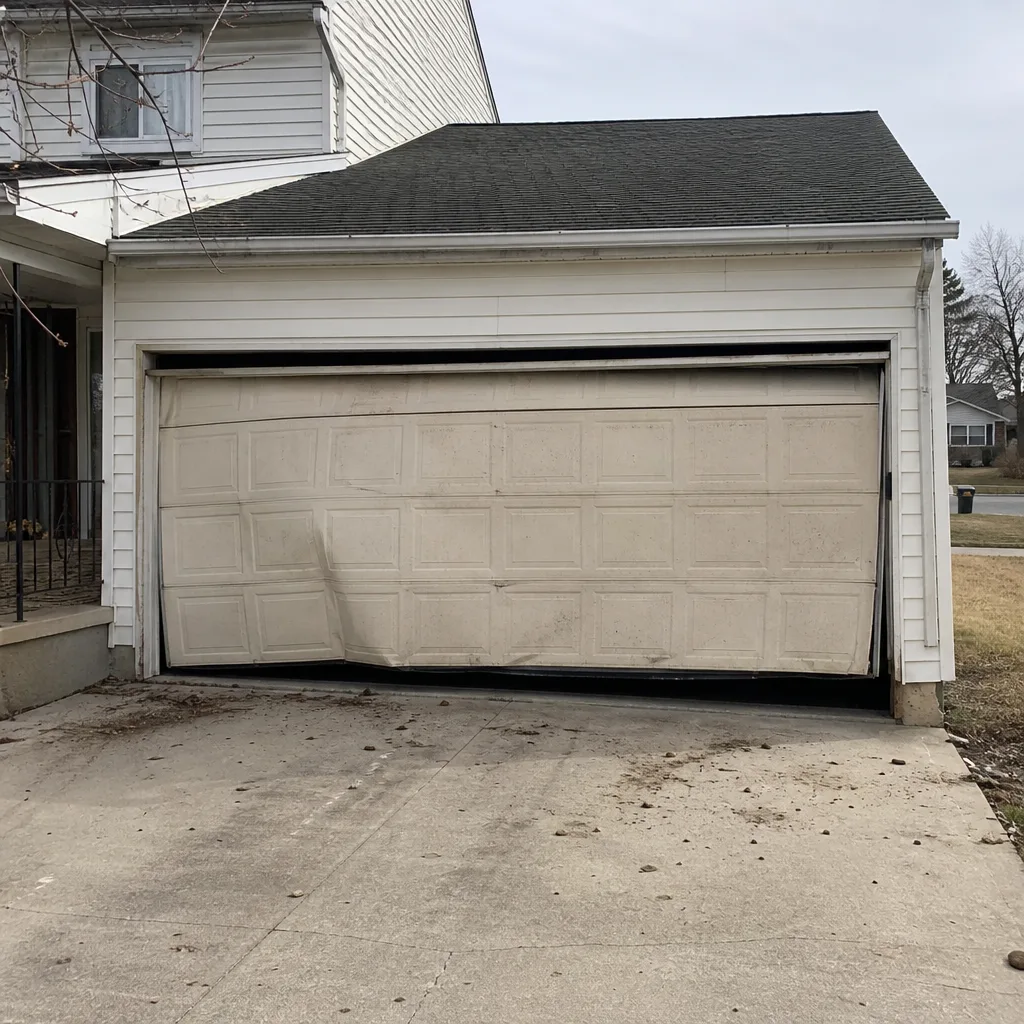 Before
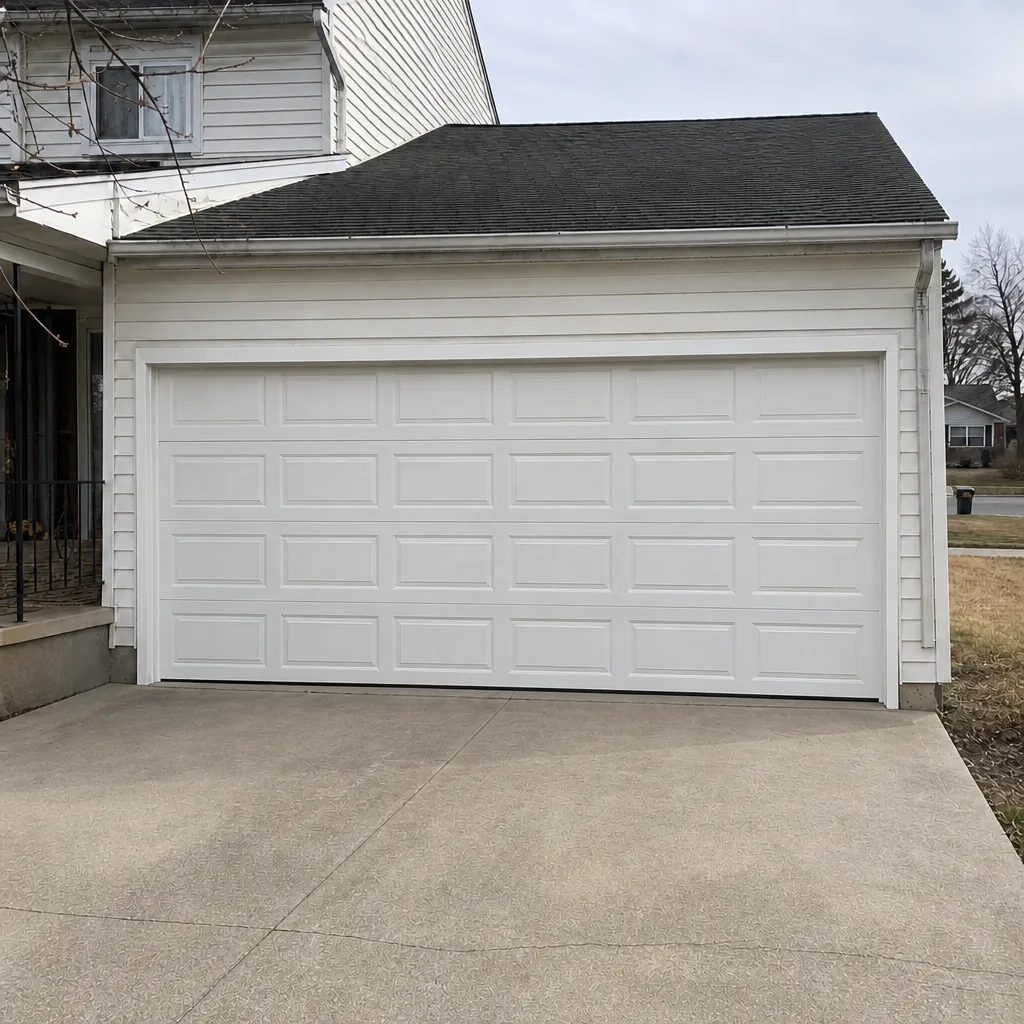 After
When to Call a Professional
Call a professional immediately if a spring has snapped, a cable has come off its drum, the door is hanging crooked, the track is bent, or the door has reversed on its own or hit anything in its path. Call before the next open if the opener runs but doesn’t move the door, or the door feels much heavier than it did last season. A cracked or loose bottom bracket, a panel that’s come away from its stiles, and any part of the door that contacts the spring system all need a trained technician, not a weekend project. Garage Door Repair Somerton offers free estimates in Somerton. Call (844) 992-2726. We answer 24/7, and for anything already broken we can often dispatch a technician the same day. The written estimate you approve before any work is the price you pay.
Frequently Asked Questions
A single torsion spring replacement in Somerton typically runs $180 to $340, and a matched pair is usually replaced together, so a pair costs about twice that. The written estimate sets the final price, and the estimate itself is free. Call (844) 992-2726 for an exact quote.
Yes. A door that won’t close is the most common same-day call we take in Somerton. Call (844) 992-2726. We answer 24/7, and fast dispatch is available from 7am to 7pm, Sunday through Friday. We’re closed Saturday.
No. A door with a broken spring is being held up by the opener’s motor, which isn’t rated for the door’s full weight. The opener can fail or the door can come down hard. Leave the door closed and call a specialist before the next open.
The safety sensor beam is the usual cause: a misaligned lens, dirt, frost, or a spiderweb across the sensors. Wipe both lenses and check that each has a solid LED. If the door still reverses, the sensor or its wiring needs repair.
Twice a year, once in the fall before the first freeze and once in the spring. Somerton’s freeze-thaw cycle dries out lubricant and seizes rollers faster than a milder climate. The fall routine is the more important of the two.
The written estimate you approve before any work starts is the price you pay. We diagnose the door, quote the specific part and labor, and don’t add charges after the work begins. Call (844) 992-2726 for a free estimate.
The Bottom Line
A garage door problem tells you where it started if you listen: grinding points to worn hardware, squealing to dry moving parts, silence to electricity, and a slow drop in the balance test to a spring on the way out. Somerton’s freeze-thaw cycle makes all four worse in the colder months, so the two fixes that pay the most are a fall lubrication and a twice-yearly balance check. Springs, cables, and track work stay with a specialist. Everything else, you can handle with an afternoon and a can of the right lubricant. For anything that falls on the specialist side, one call covers it: repairs, opener issues, springs, and a new door when the old one is past saving.
About Garage Door Repair Somerton
Garage Door Repair Somerton is a garage door-only provider connecting Somerton homeowners with independent local technicians who work on the brand they already own. Our technicians have up to 14 years of experience across LiftMaster, Chamberlain, Genie, Clopay, Amarr, Wayne Dalton, Craftsman, and Raynor. Emergency garage door service is a core offering, not a premium add-on. The local pro is licensed and insured as their state requires, the estimate is free, and the price is set per job by the written estimate you approve before any work starts.
Call (844) 992-2726. We answer 24/7. Fast dispatch from 7am to 7pm, Sunday through Friday, closed Saturday. A call outside dispatch hours is booked into the next opening.
Written by the team at Garage Door Repair Somerton.