
Last updated November 21, 2026
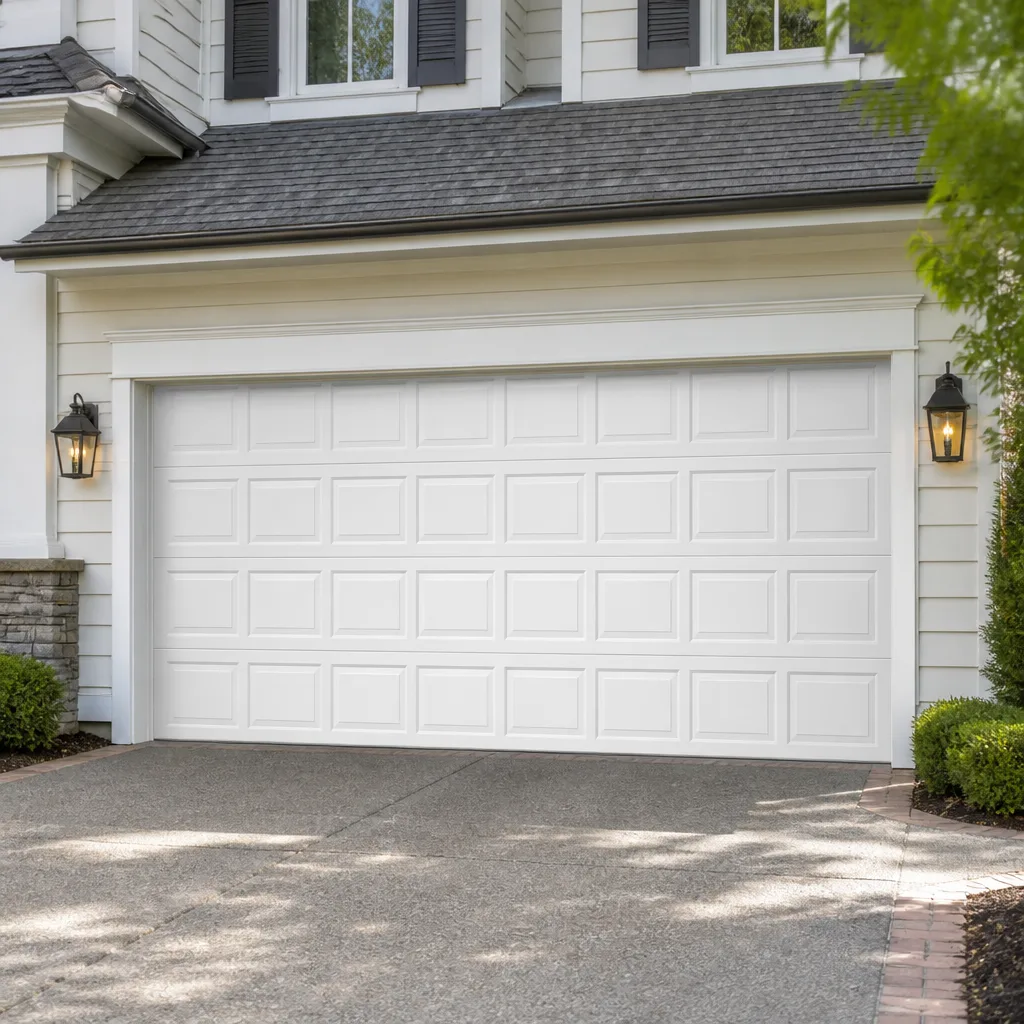 Raised-panel steel
 Carriage house
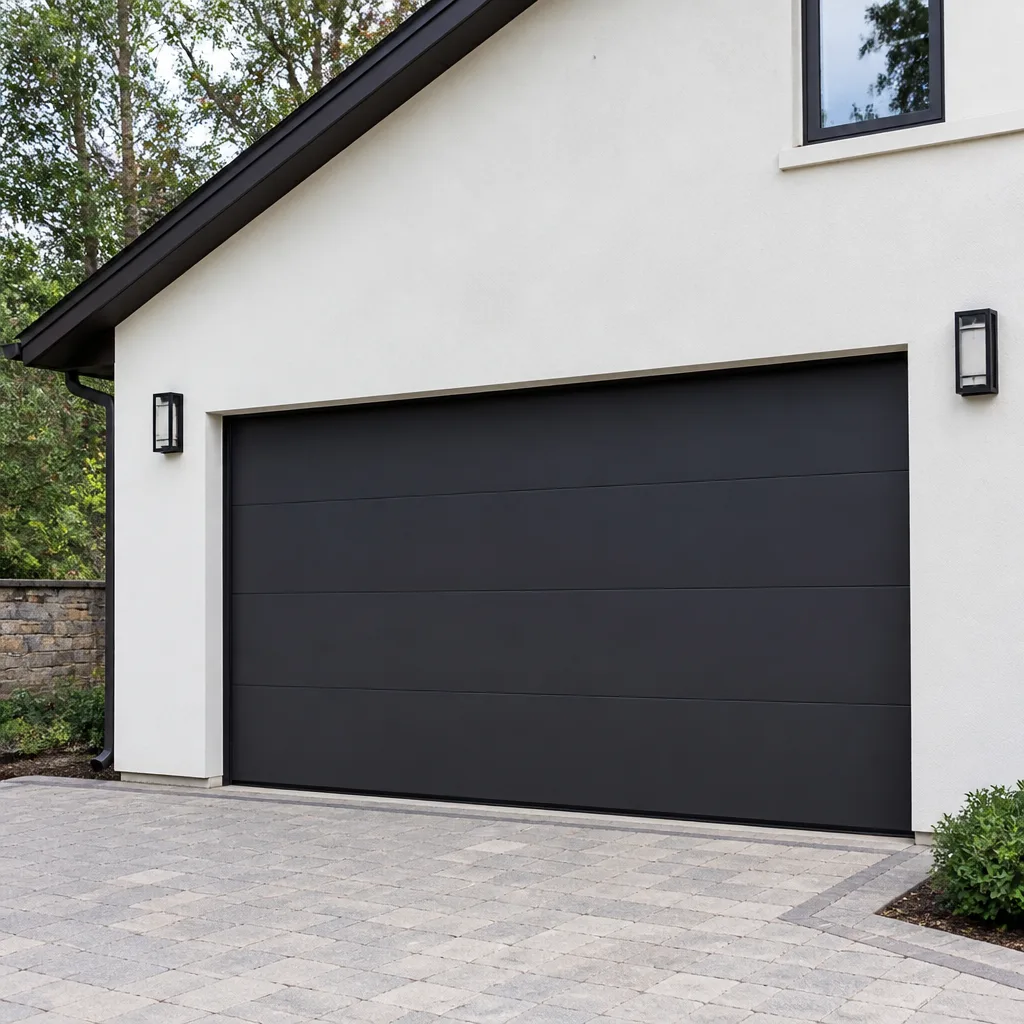 Modern flush
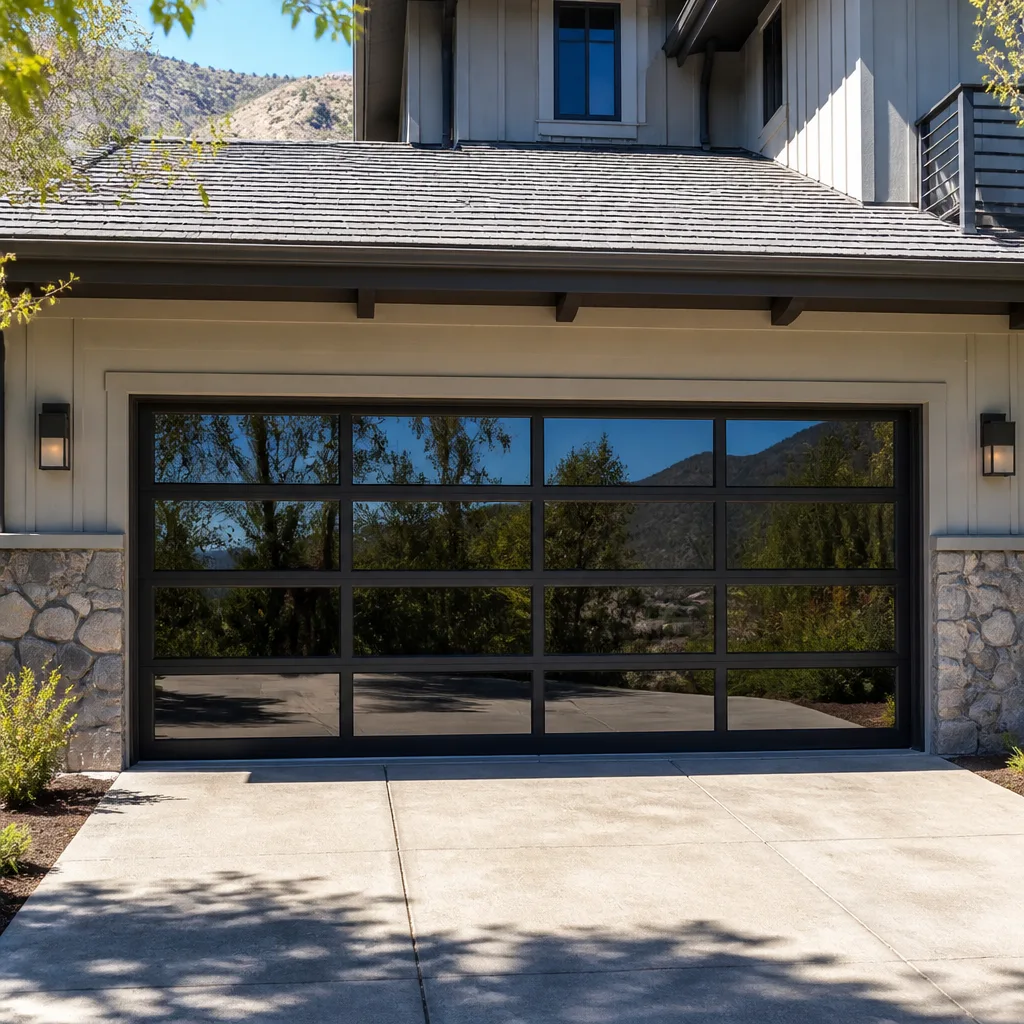 Full-view glass
 LiftMaster openers
 Chamberlain openers
Full 25-point door and opener safety check with every visit - springs, cables, rollers, tracks, and your LiftMaster or Chamberlain opener included
You get a price before we start. It does not change when the pro arrives.
Get your free estimateSeasonal Garage Door Care for Somerton: Year-Round Homeowner’s Guide
Most homeowners in Somerton think about their garage door twice: the day it’s installed and the day it stops working. That gap is where expensive problems hide. The door that opened quietly in July can be the same door that refuses to budge on the first cold morning, and the difference between those two outcomes usually isn’t luck. It’s whether anyone checked the lubricant before it thickened, the bottom seal before the ground froze, or the torsion spring tension before summer heat pushed it past its limit. In this guide, we’ll walk through how Somerton’s four-season climate stresses a garage door month by month, what to check in each season, and how a small calendar of preventive tasks keeps a cheap tune-up from turning into a costly emergency call.
Quick Answer
A garage door in Somerton needs attention in every season: fall to prepare lubricant and seals for freezing temperatures, winter to manage ice and cold-stiffened openers, spring to inspect cables and springs after winter wear, and summer to catch heat-related tension changes before they cause a failure. Homeowners who follow a simple seasonal schedule typically spend far less on repairs than those who wait for a breakdown, because most emergency calls start as small, fixable issues that went unaddressed for months.
Styles & brands we work with
- Raised-panel steel
- Carriage house
- Modern flush
- Full-view glass
- LiftMaster openers
- Chamberlain openers
Table of Contents
- Why Seasonal Care Matters in Somerton’s Climate
- Fall: Preparing Your Door for the First Freeze
- Winter: Frozen Doors, Stiff Openers, and What to Do
- Spring: Post-Winter Inspection and Rust Check
- Summer: Heat, Tension, and the “Heavy Door” Warning
- Your Printable Seasonal Schedule
- Common Mistakes to Avoid
- When to Call a Professional
Why Seasonal Care Matters in Somerton’s Climate
A garage door is your home’s largest moving part, and in Somerton it moves through a wider temperature swing than almost anything else on your property. Summer heat expands metal components and changes how a torsion spring behaves. Fall moisture and falling temperatures stiffen rubber seals. Winter brings freeze-thaw cycles that can bind a door to the floor. Spring then reveals everything winter wore down. Each season stresses a different part of the same system, which is why a single annual checkup isn’t enough here.
This matters more than most homeowners realize because the components are interconnected. A bottom seal that’s lost its pliability lets cold air and moisture under the door, which puts extra load on the opener motor. A spring that’s slightly out of tension forces the opener to work harder, which shortens its life. Left alone through one Somerton winter, a minor issue compounds into a repair that touches three parts instead of one.
In our experience servicing doors across Somerton, the calls that come in during the first real cold snap almost always trace back to something that could have been caught in October. Cables that stretched through the summer and dried out. Weather seals that cracked. Lubricant that was the wrong weight for the season. None of these fail loudly in warm weather. They wait for the first hard freeze to announce themselves.
The good news: seasonal care isn’t complicated. It’s mostly a matter of knowing what to look at, when, and which tasks are safe to do yourself versus which should stay in the hands of a trained technician. Garage doors only is what we do, and the pattern holds across brands: a Garage Door Repair Somerton inspection catches the same wear points whether the door is a Clopay, an Amarr, a Wayne Dalton, or a Craftsman.
Fall: Preparing Your Door for the First Freeze
Fall is the most important season for garage door maintenance in Somerton, because it’s your last chance to fix small problems before cold weather magnifies them. Two tasks matter most: getting the right lubricant on the moving parts and confirming the bottom seal is still pliable enough to keep out cold air and moisture.
Lubricant viscosity matters more than you’d think
Garage door lubricant isn’t one-size-fits-all. A light lubricant that worked fine in July can thicken noticeably when temperatures drop, which increases friction on the rollers, hinges, and tracks. That added resistance forces the opener motor to work harder on every cycle. The right approach for fall is a lubricant rated for cold temperatures, applied to hinges, rollers, and the torsion spring (if your manufacturer specifies it). Avoid spraying lubricant on the tracks themselves; tracks collect dust and grime, and lubricant there does more harm than good.
Check the bottom seal before the ground freezes
The bottom seal is the rubber strip along the lower edge of the door. Through summer it takes a beating from heat and sun. By fall, it may have hardened or cracked without your noticing. Run your hand along it (with the door closed and the opener disconnected) and look for stiffness, tears, or gaps. A rigid seal won’t form a tight barrier against the floor once temperatures drop, letting cold air and moisture under the door. If it feels hard or shows cracks, replacing it before winter is cheap compared to the problems a loose seal creates.
Fall checklist
- Apply cold-rated lubricant to hinges, rollers, and spring (where specified).
- Inspect the bottom seal for stiffness, cracks, and gaps; replace if needed.
- Test the door’s balance by disconnecting the opener and lifting it halfway; it should stay put.
- Check the safety reverse feature by placing an object in the door’s path.
- Look at cables for fraying or slack; these are a sign to call a professional, not a DIY fix.
- Tighten any loose bolts on the hinges and brackets (never the spring hardware).
This is also the season to schedule a preventive tune-up if you haven’t had one. A trained technician can spot the small issues that are hard to see from the ground and confirm your door is ready for the cold. If something needs garage door repair, catching it in fall means it’s fixed before it becomes an emergency.
Winter: Frozen Doors, Stiff Openers, and What to Do
Somerton winters bring a specific set of garage door problems, and two of them look similar but call for completely different responses: a door that’s frozen to the floor, and an opener that’s straining because the cold has stiffened the door’s moving parts. Getting these mixed up is a common way homeowners turn a minor issue into a real repair.
If the door is frozen to the floor
You’ll know because the opener runs but the door doesn’t move, or you hear a straining sound and nothing happens. The door has bonded to the floor through ice or a frozen seal. Never keep running the opener in this situation, and never force the door up manually; both can damage the opener’s gears or snap a cable. The safe move is to break the bond gently. A common approach is warm water along the seal line to melt the ice, or gently freeing the seal from the floor with a soft tool. If the seal is frozen solid or the door won’t release, stop and call for help.
If the door is stiff, not frozen
Cold weather thickens lubricant and stiffens rubber, so the door moves with more resistance even when it isn’t frozen. The opener motor strains, the door may reverse partway up, and the whole cycle feels labored. This is a sign that your fall lubrication either wasn’t done or used the wrong product. If your door has been stiff all winter despite lubrication, the opener may be undersized or nearing the end of its life, and a garage door opener repair visit is the right call before it fails outright.
Winter care points
- Keep the seal and floor clear of ice and snow buildup.
- Don’t force a frozen door; free the seal first or call for service.
- Listen for changes in the opener’s sound; straining is a warning sign.
- Check that the door closes fully and the seal sits flat against the floor.
- Avoid using de-icing salt directly against the bottom seal, which can speed up cracking.
Winter emergency calls are common in Somerton, and we treat them as core work rather than a premium add-on. If a door won’t open before you need to leave, or won’t close at the end of the day, that’s the situation emergency service exists for. We answer 24/7, and fast dispatch from 7am to 7pm runs Sunday through Friday.
Spring: Post-Winter Inspection and Rust Check
Spring is when you find out how winter treated your garage door. The freeze-thaw cycle loosens hardware, cables carry the wear of a cold season, and road salt tracked in on vehicles speeds up corrosion on metal parts near the floor. A focused spring inspection now prevents the problems that would otherwise surface in summer.
The post-winter inspection protocol
- Disconnect the opener and test the door’s balance by lifting it halfway. A balanced door stays in place; one that drifts or feels very heavy points to spring or cable trouble.
- Inspect cables on both sides for fraying, kinks, or slack. Damaged cables are a professional repair, not a homeowner job.
- Look at the torsion spring (the coiled spring above the door) for rust, gaps, or visible stretching.
- Check hinges, rollers, and brackets for loose bolts and wear.
- Look for rust on the tracks, hinges, and lower panels, especially near the floor where road salt collects.
- Re-test the safety reverse and the photo-eye sensors.
- Wipe down and re-lubricate moving parts with a product suited to warmer weather.
Rust from road salt is a spring problem
Road salt tracked in during winter doesn’t disappear when the snow melts; it sits on metal parts and continues to corrode them. Pay close attention to the bottom hinge, the lower rollers, and the bottom panel of the door, which see the most salt exposure. A light wipe-down and a rust-inhibiting spray on affected areas slows the damage. If rust has already compromised a hinge or roller, replacing it now is far cheaper than letting it seize.
Spring is also the season to think about larger decisions. If the door has taken years of wear and the repairs are adding up, a garage door installation estimate is worth getting before summer. New doors from Clopay, Amarr, and Wayne Dalton are built with better insulation and weather sealing than older models, which pays off through every Somerton season. This kind of work is measured and scheduled, not same-day, so a free measure and written price in spring gives you options well before you need them.
Summer: Heat, Tension, and the “Heavy Door” Warning
Summer heat does quieter damage than winter, but it’s real. Metal expands, rubber softens, and torsion springs behave differently in high temperatures. The most common summer complaint we hear in Somerton is a door that feels “heavy” or seems to struggle more than it used to. That’s not imagination; it’s a signal.
How heat affects torsion spring tension
The torsion spring is what actually lifts your door; the opener only guides it. Heat changes the spring’s tension, and a door that felt balanced in spring can feel noticeably heavier in August. If the opener is now doing work the spring should be doing, the opener motor wears faster. Left through fall, a weak spring is one of the most common causes of an emergency call when temperatures drop again, because the added cold resistance is the final straw.
The “heavy door” test
With the opener disconnected and the door closed, lift the door manually about halfway. If it feels considerably heavier than it did a few months ago, or if it won’t stay in place, the spring tension has changed. That’s a sign to have it checked before fall. Do not attempt to adjust the torsion spring yourself. Torsion springs are under extreme tension and can cause serious injury if handled incorrectly. This is a job for a trained technician with the right tools.
Summer care points
- Re-test door balance monthly; heat-related tension changes show up quickly.
- Check the opener for signs of strain: slower movement, odd sounds, or reversing partway.
- Inspect the bottom seal for softening or sagging in high heat.
- Keep the tracks clean of debris and don’t over-lubricate in warm weather.
- If your door has a smart opener (LiftMaster, Chamberlain, Genie, or Craftsman), check that its app diagnostics aren’t flagging a fault.
Modern openers often log strain and fault codes that older models didn’t. If your app is showing repeated warnings, that’s worth acting on before fall. A heavy door in August becomes a broken door in October, and the repair costs more when it fails at the worst possible moment.
Your Printable Seasonal Schedule
Here’s the whole year on one page. Post it in your garage, on the wall near the opener, and work through it as each season arrives. Times are realistic for a homeowner doing the visual checks; a professional tune-up adds about an hour and catches the things that are hard to see from the ground.
Fall (September-October): about 30 minutes
- Apply cold-rated lubricant to hinges, rollers, and specified spring points (10 min).
- Inspect and test the bottom seal for pliability and gaps (5 min).
- Run the balance test with the opener disconnected (5 min).
- Test the safety reverse and photo-eye sensors (5 min).
- Check cables and hardware for looseness or wear; note anything to schedule (5 min).
Winter (November-February): about 15 minutes monthly
- Keep the seal and floor clear of ice and snow (5 min).
- Listen for changes in the opener’s sound or speed (2 min).
- Confirm the door closes fully and sits flat (3 min).
- Check for ice bonding the door to the floor before operating (5 min).
Spring (March-May): about 45 minutes
- Run the full post-winter inspection (balance, cables, spring, hardware) (15 min).
- Look for rust on lower hinges, rollers, and panels near the floor (10 min).
- Clean and re-lubricate moving parts for warm weather (10 min).
- Re-test safety reverse and photo-eye sensors (5 min).
- Consider a professional tune-up or repair estimate if anything looks worn (5 min).
Summer (June-August): about 15 minutes monthly
- Run the heavy-door test to check spring tension (5 min).
- Check the opener for strain and review any app diagnostics (5 min).
- Inspect the seal for softening or sagging (5 min).
Common Mistakes to Avoid
- Using the wrong lubricant. A light summer lubricant thickens in Somerton’s cold and forces the opener to strain. Use a cold-rated product before the first freeze.
- Skipping the bottom seal check. A hardened seal lets cold air and moisture under the door, then compounds the load on the opener all winter.
- Forcing a frozen door. Running the opener or yanking the door when it’s bonded to the floor can snap a cable or strip the opener gears. Free the seal first or call for service.
- Ignoring a “heavy” door in August. A door that feels heavier than usual is telling you the spring tension has changed. Left until fall, it often fails outright.
- Overlooking rust from road salt. Salt tracked in during winter keeps corroding hinges and lower panels well into spring. Wipe and treat those areas instead of assuming the damage stopped.
- Adjusting the torsion spring yourself. Springs are under extreme tension and can cause serious injury. This is one task that always belongs with a trained professional.
- Treating it as a one-time job. The whole point of a seasonal schedule is the rhythm. One check in fall and one in spring, with quick monthly visual tests in between, is far more effective than a single annual tune-up.
When to Call a Professional
Some tasks belong on your calendar; others belong to a trained technician. Call for help when the door is frozen solid and won’t release, when the balance test fails or the door feels heavy, when you see frayed or slack cables, when the torsion spring shows rust, gaps, or visible wear, or when the opener strains, reverses partway, or logs repeated faults. These are the situations where a small repair done early protects you from a much larger one. Our technicians have up to 14 years of experience and work on the brand you already own, from LiftMaster and Chamberlain openers to Clopay, Amarr, Wayne Dalton, and Craftsman doors, so diagnosis follows the brand rather than guesswork.
Garage Door Repair Somerton offers free estimates in Somerton; call (844) 992-2726. We answer 24/7, with fast dispatch from 7am to 7pm, Sunday through Friday. The price is quoted and agreed in writing before any work starts, so there are no surprises on the invoice.
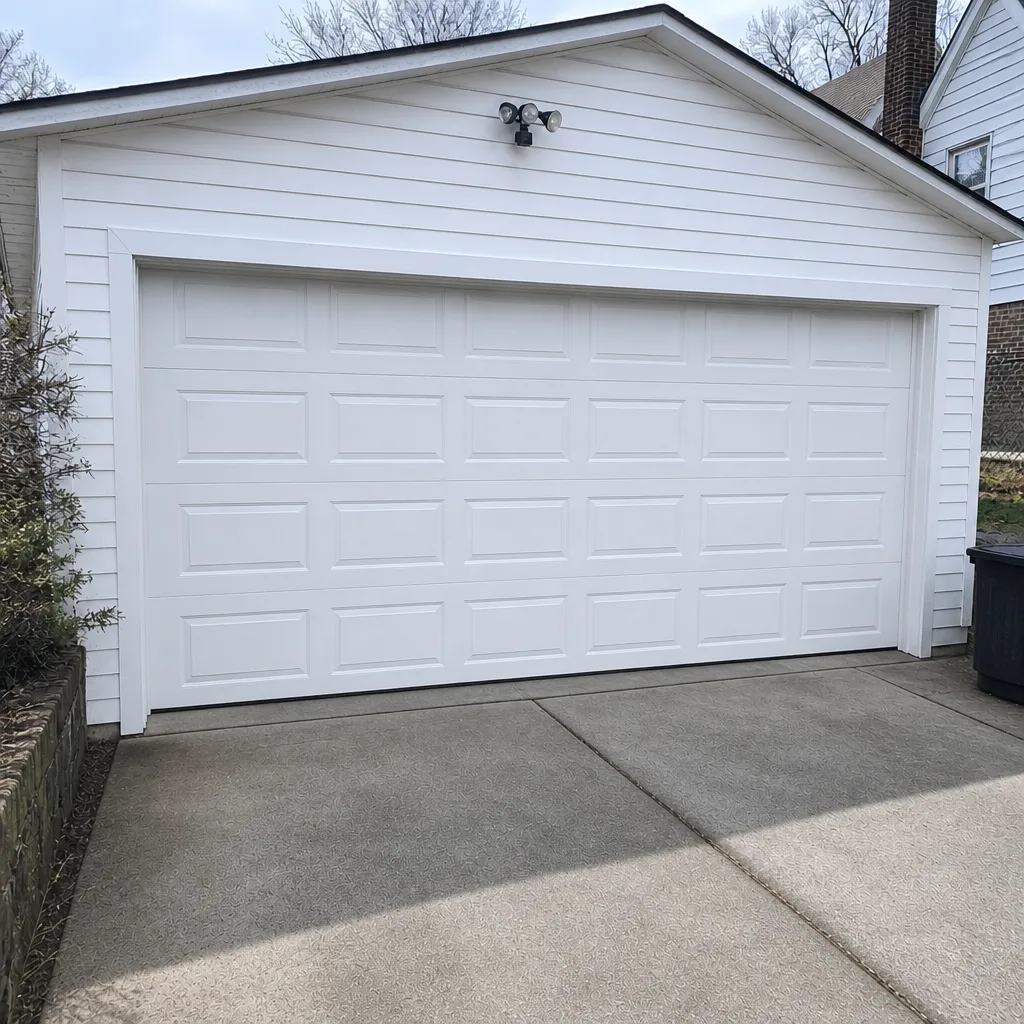
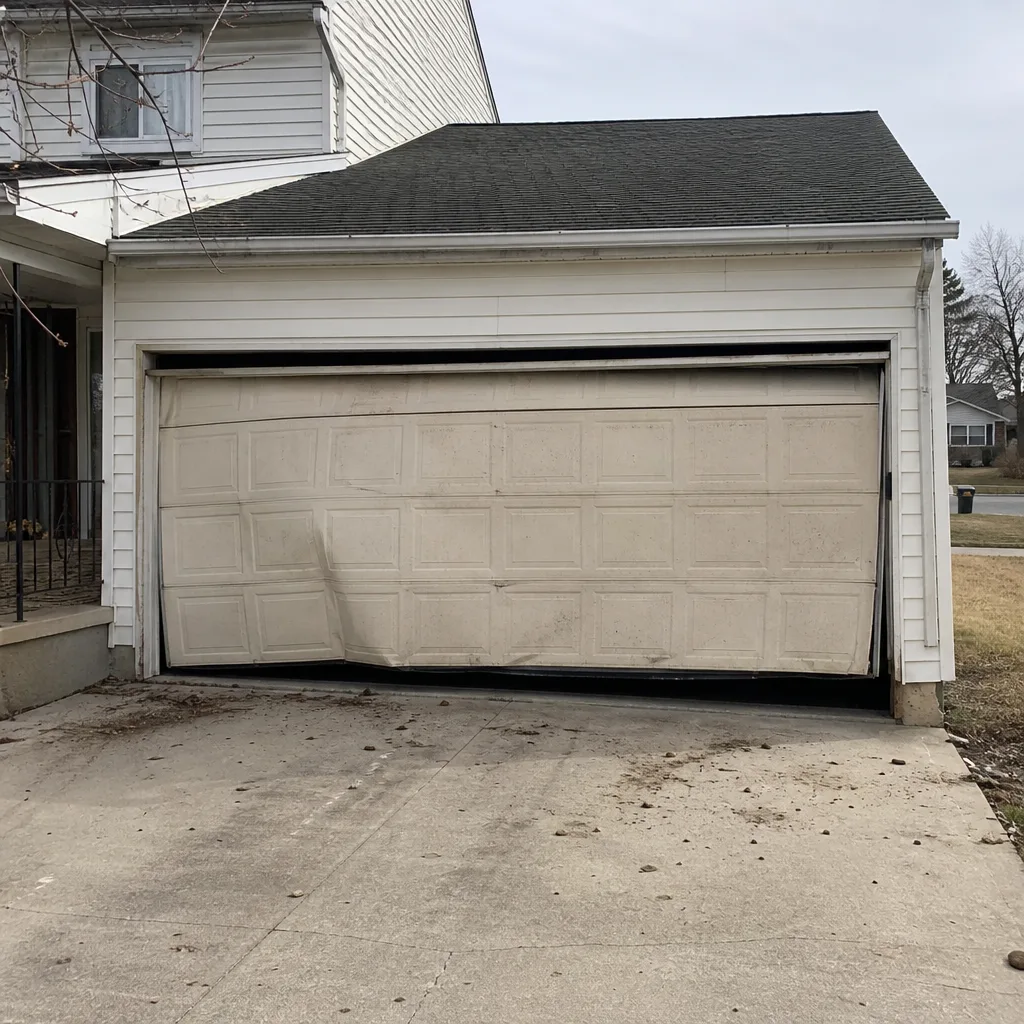
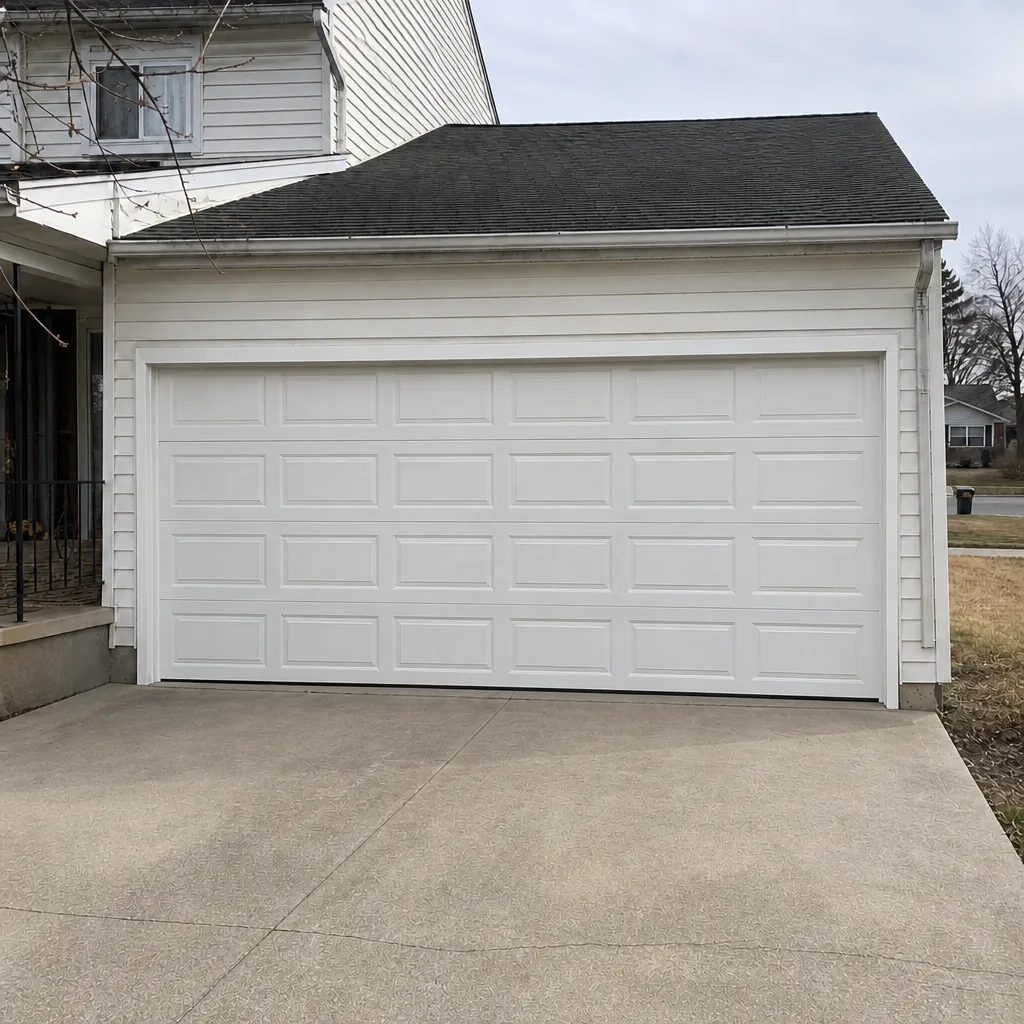
See the difference
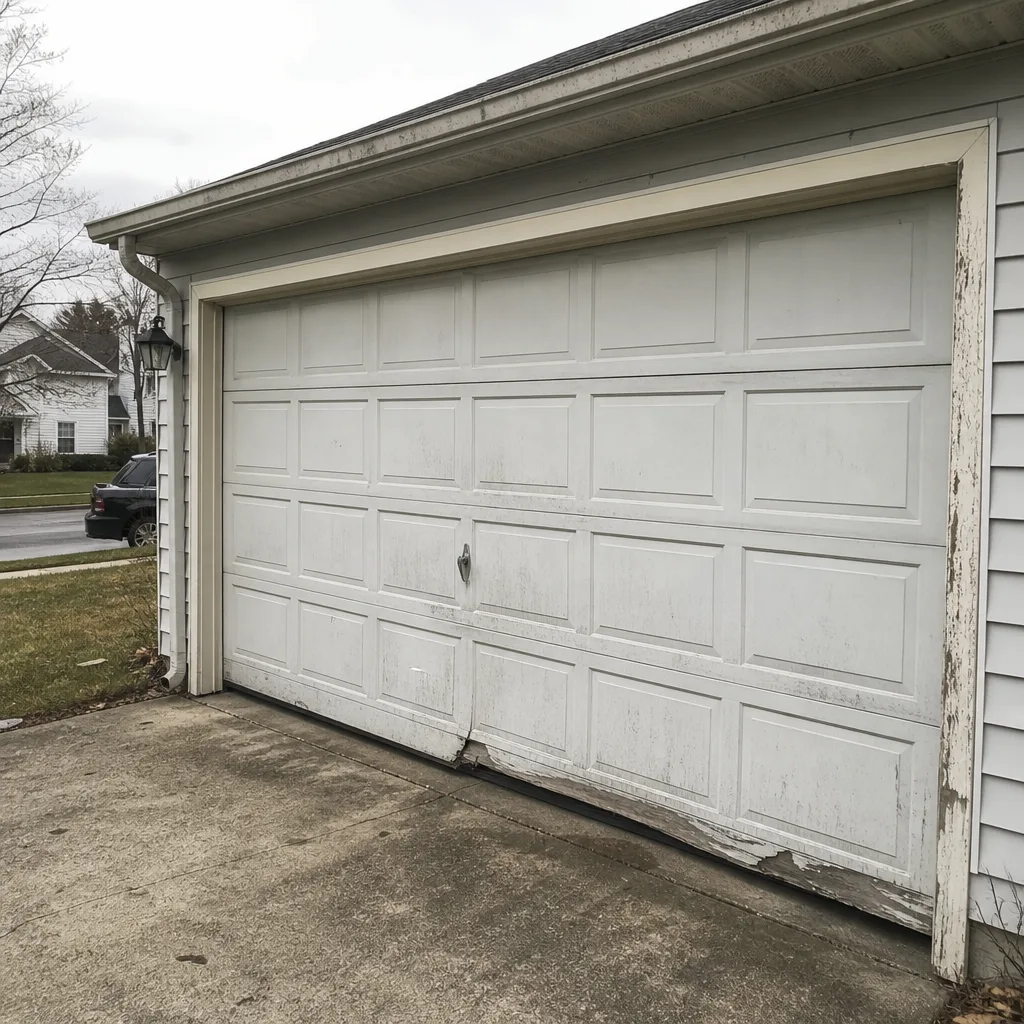 Before
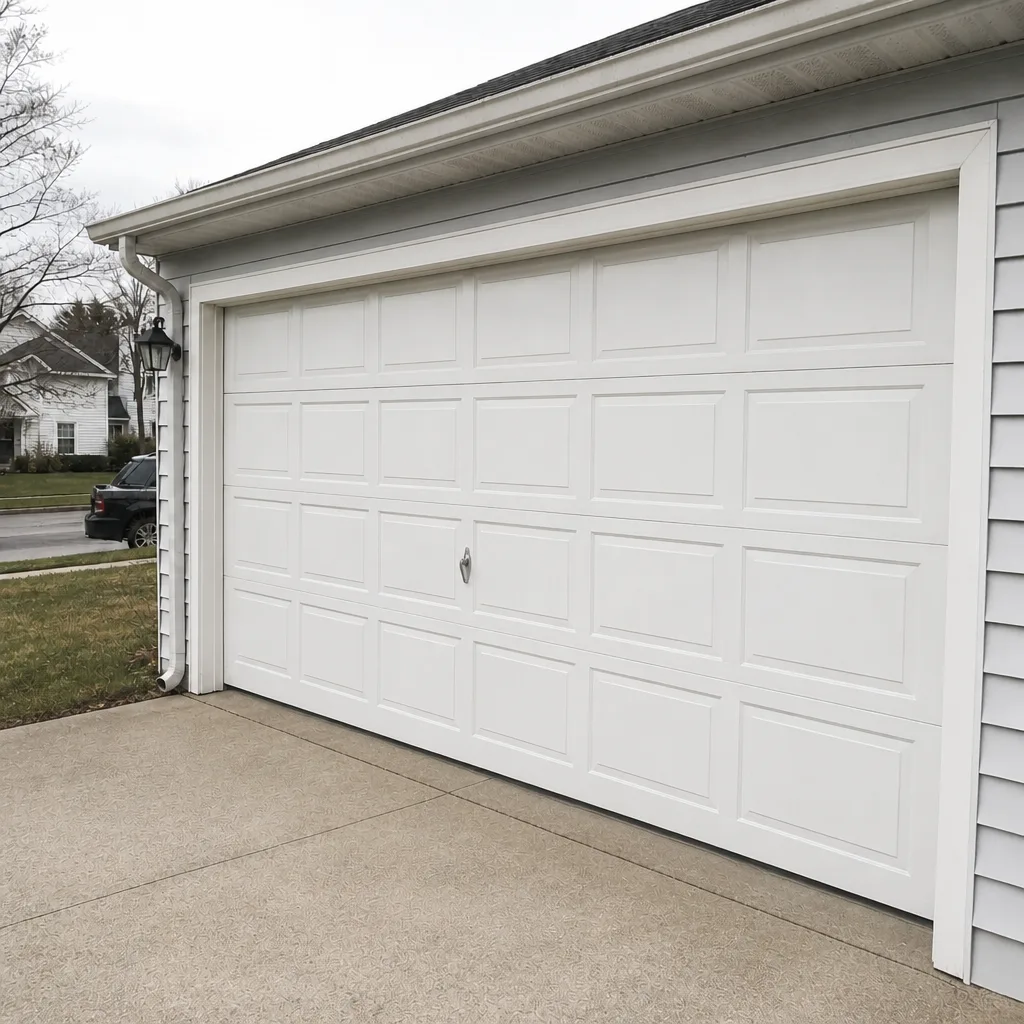 After
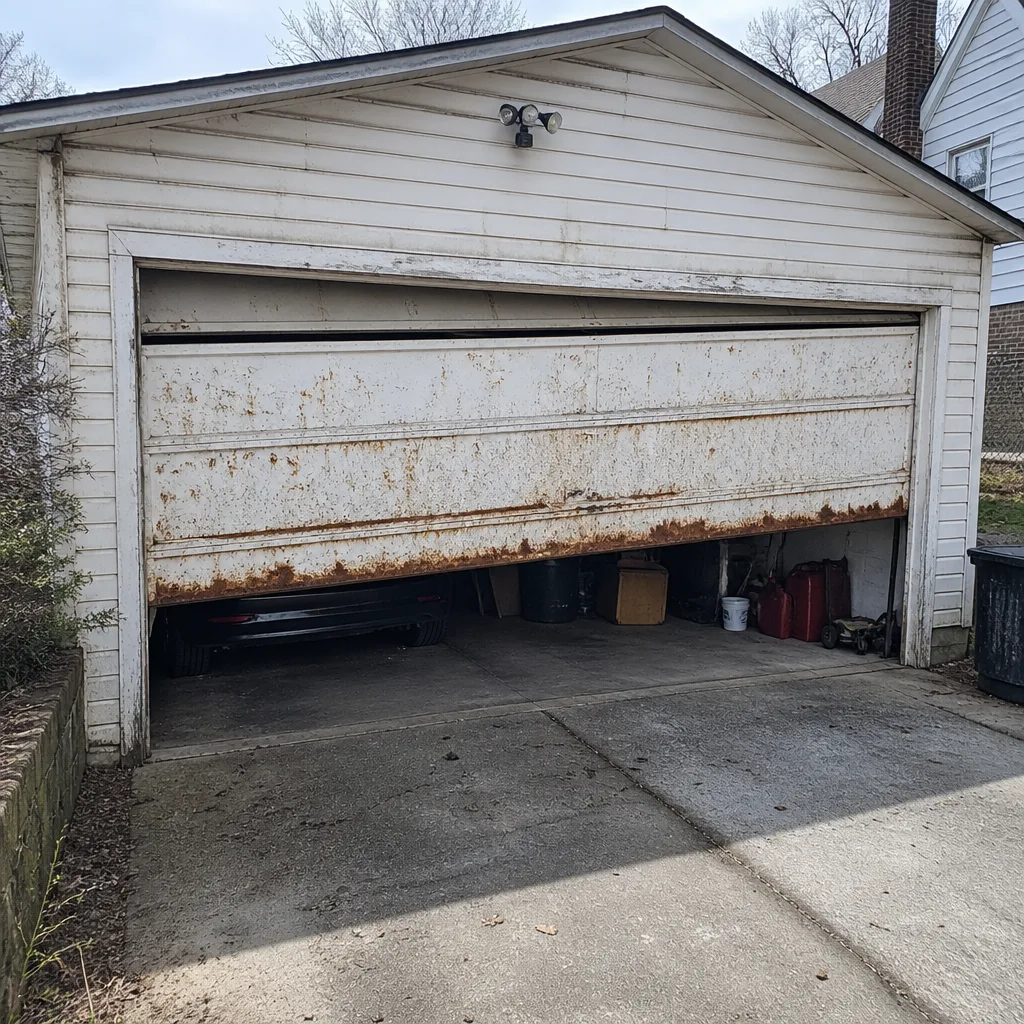 Before
 After
 Before
 After
Frequently Asked Questions
Twice a year, at minimum, with quick visual checks in between. Fall and spring are the two anchor points, because they bookend the seasons that stress your door most. Monthly visual tests in summer and winter catch changes early, and a professional tune-up once a year keeps the moving parts and safety features in good shape.
The lubricant has thickened and the rubber seal has stiffened, so the door moves with more resistance. Use a cold-rated lubricant in fall, and check the bottom seal for pliability. If the door has felt stiff all winter despite lubrication, the opener may be undersized or nearing the end of its life, and it’s worth having it checked.
Don’t force it. Running the opener or pulling the door can damage gears or snap a cable. Free the seal gently with warm water or a soft tool, and if it won’t release, call for help. Never continue operating the opener once you realize the door is bonded to the floor.
It shouldn’t. A door that feels heavier in August usually means the torsion spring tension has shifted with the heat, and the opener is now doing work the spring should be doing. Letting it wait puts extra wear on the opener and often leads to a failure once cold weather adds resistance. Have it checked before fall.
Yes, especially on the lower panels, hinges, and bottom rollers, which see the most exposure. Salt tracked in during winter keeps corroding metal well into spring. Wiping those areas down and applying a rust-inhibiting treatment in spring slows the damage, and replacing any compromised hinge or roller early is cheap compared to letting it seize.
Yes. Our technicians have up to 14 years of experience and are factory-trained across eight major garage door and opener brands, including LiftMaster, Chamberlain, Genie, Clopay, Amarr, Wayne Dalton, Craftsman, and Raynor. Diagnosis follows the brand’s own logic, so a smart LiftMaster opener and a legacy Craftsman unit both get the right approach. Call (844) 992-2726 for a free estimate; we answer 24/7 with fast dispatch from 7am to 7pm, Sunday through Friday.
The Bottom Line
Somerton’s four-season climate stresses a garage door in four different ways, and the homeowners who stay ahead of it follow a simple rhythm: prep the lubricant and seals in fall, manage ice and strain in winter, inspect cables, springs, and rust in spring, and catch heat-related tension changes in summer. The work at home takes minutes, and a professional tune-up once a year covers what’s hard to see. That schedule keeps your door running through every season and keeps small, cheap repairs from becoming large, urgent ones. If you’re not sure where your door stands, call us for a free estimate.
When it won’t open and you can’t wait, one call covers it. Call (844) 992-2726 for a free estimate on repair, tune-up, or a new door. We answer 24/7. Fast dispatch from 7am to 7pm, Sunday through Friday.
Written by the team at Garage Door Repair Somerton.