
Last updated November 21, 2026
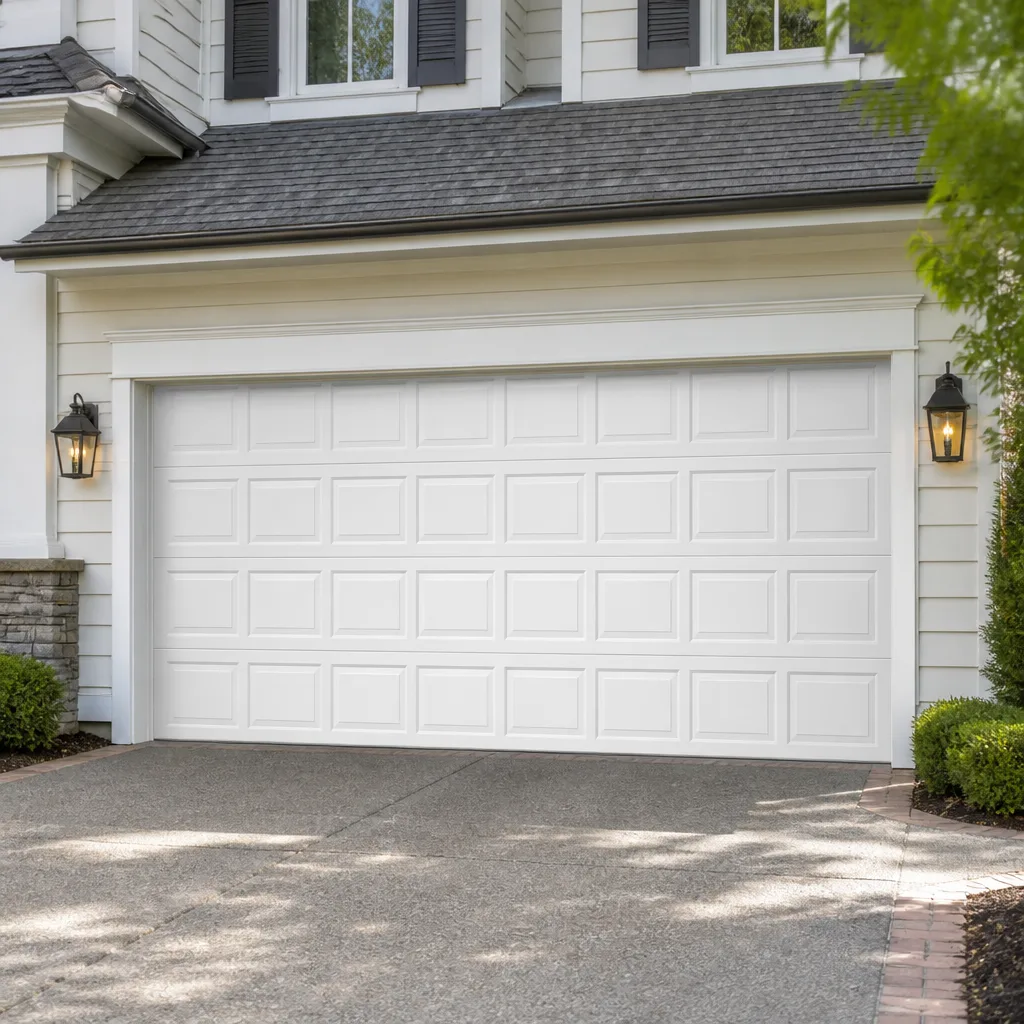 Raised-panel steel
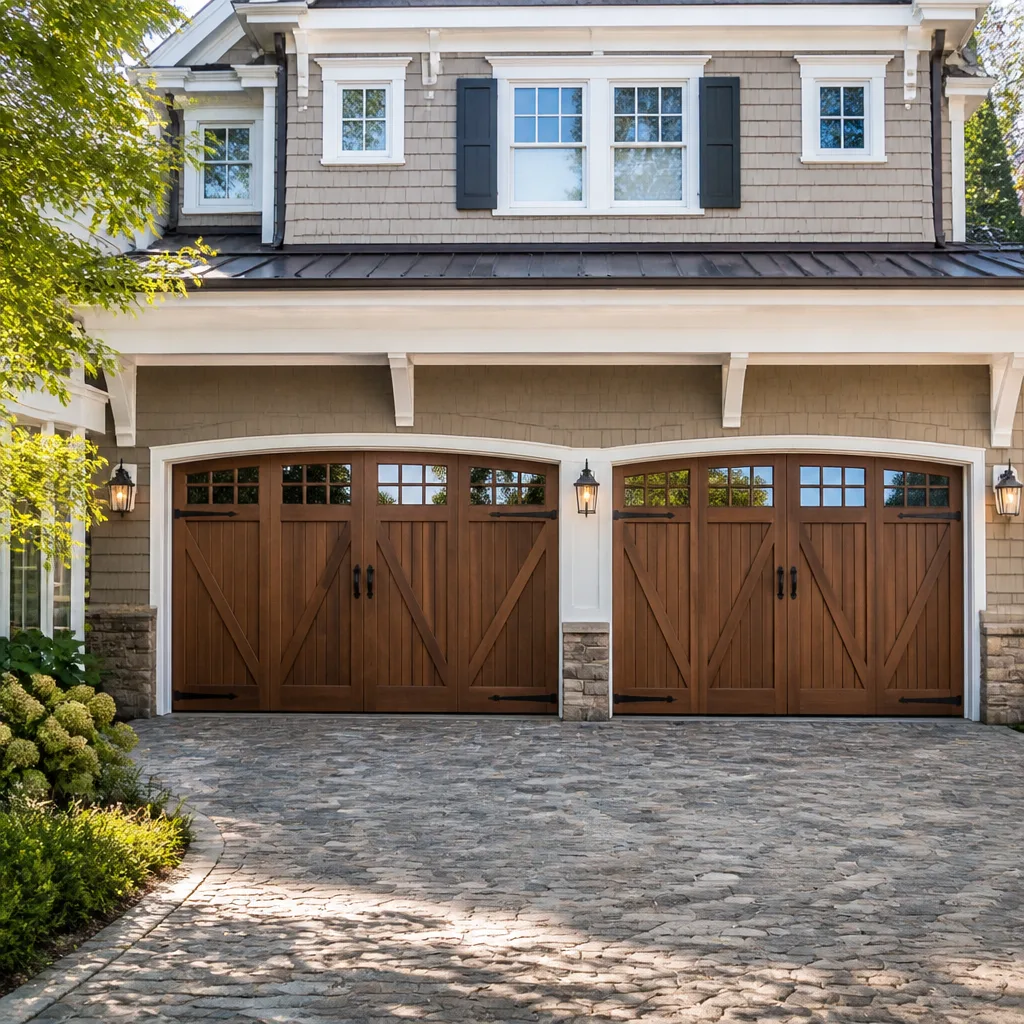 Carriage house
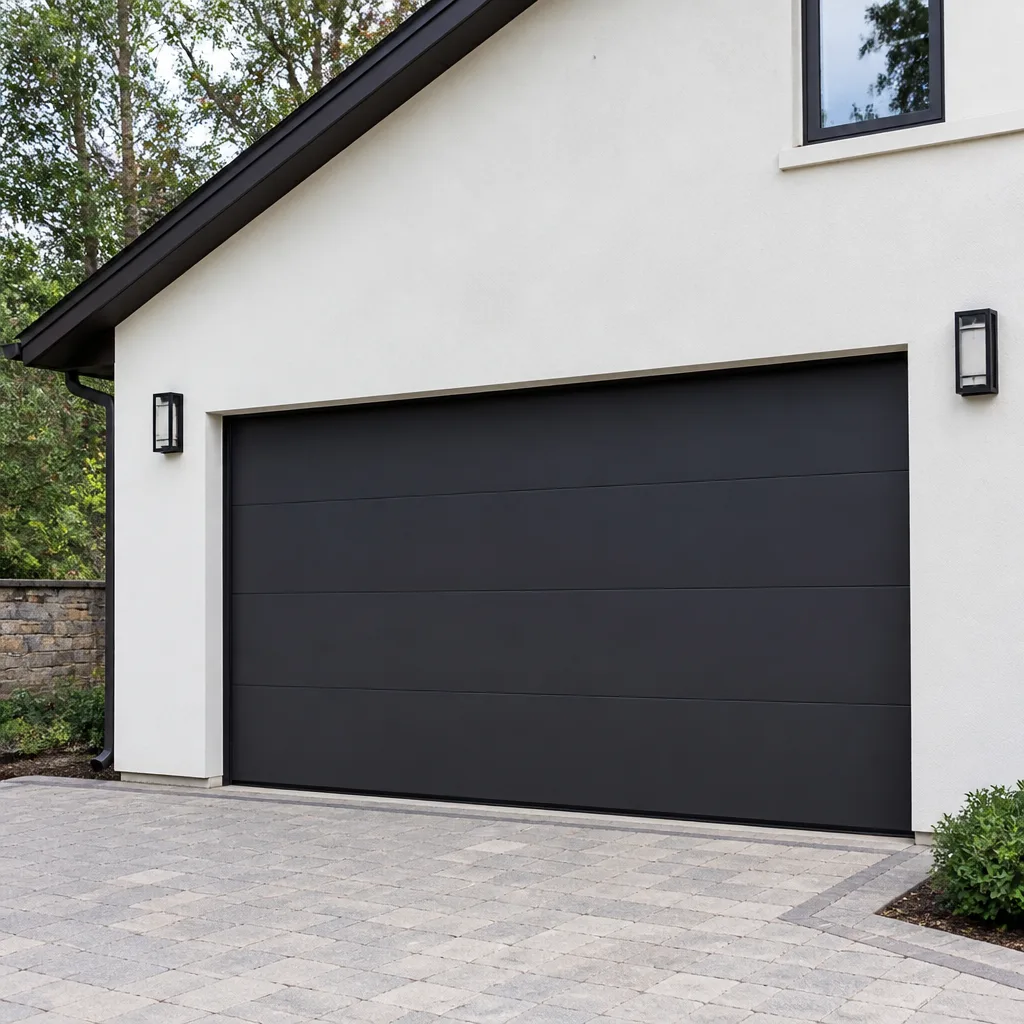 Modern flush
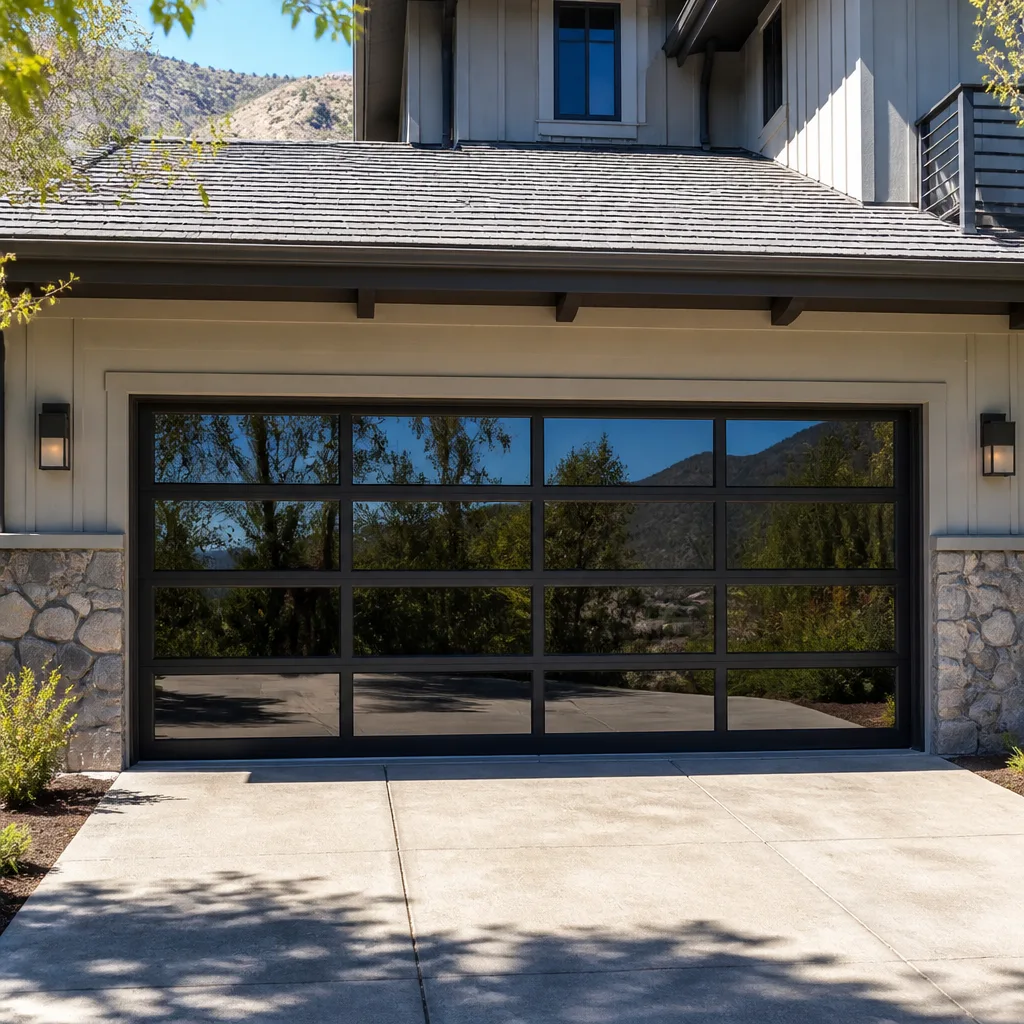 Full-view glass
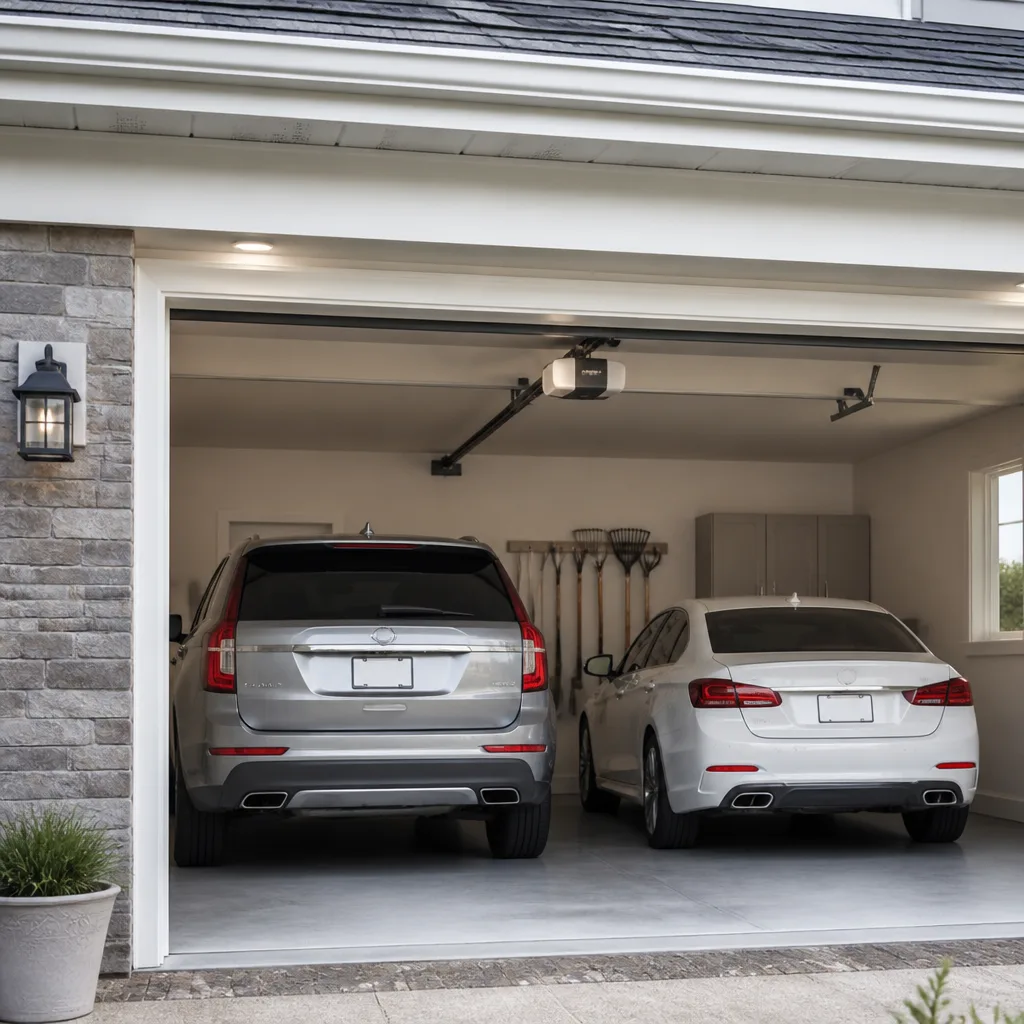 LiftMaster openers
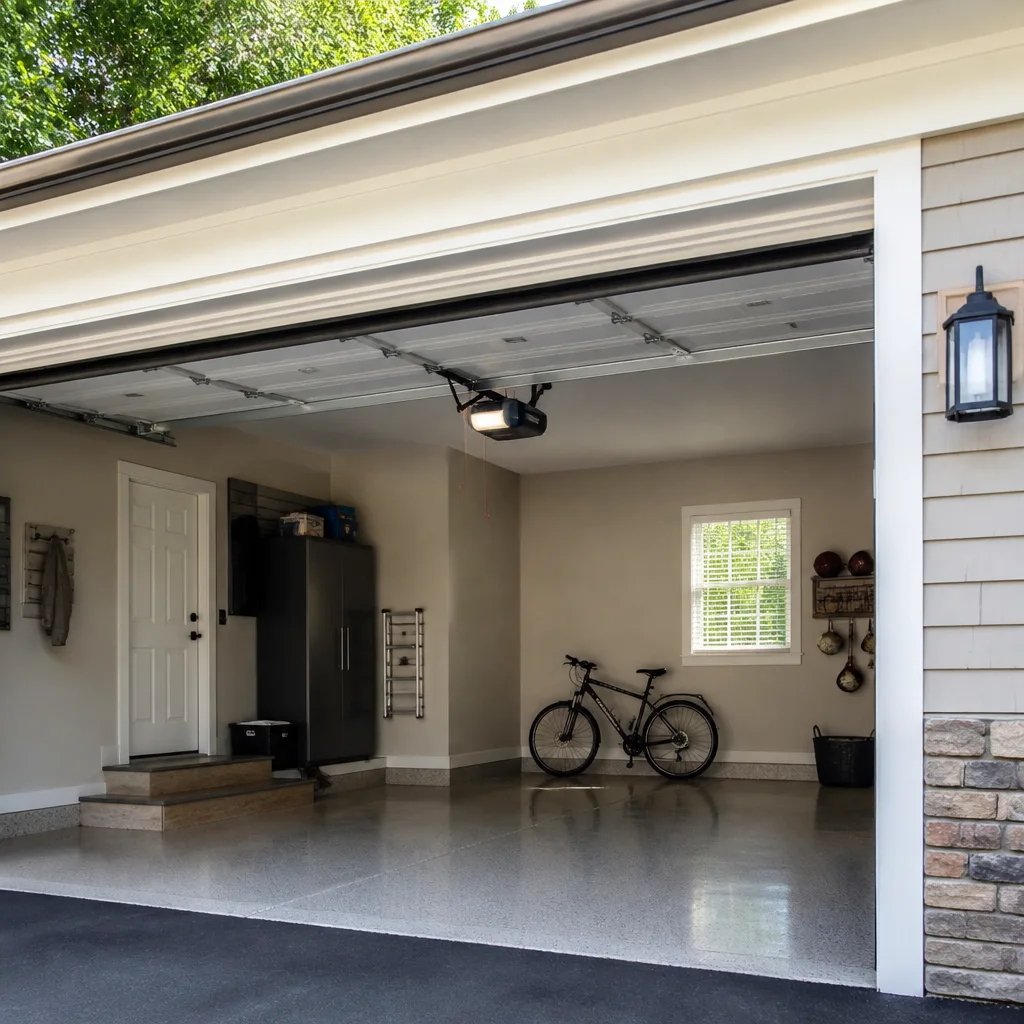 Chamberlain openers
Full 25-point door and opener safety check with every visit - springs, cables, rollers, tracks, and your LiftMaster or Chamberlain opener included
You get a price before we start. It does not change when the pro arrives.
Get your free estimateThe Complete Guide to Garage Doors in Somerton
Most Somerton homes were built between the 1950s and 1980s, which means the rough opening dimensions, header clearance, and electrical setup were never designed around modern door systems. And that mismatch is the root cause of half the installation problems we see. A door that worked fine on a 1962 house isn’t automatically suited to a 2026 replacement, and an opener mounted on a mid-century joist may not carry the weight or the travel of a newer, heavier door. The garage is your home’s largest moving part, and in a place where the seasons swing hard, it’s also the part that takes the most abuse. This guide walks through how Somerton’s housing stock, climate, and code environment shape every decision, from spring repair to opener choice to whether that old door is worth saving at all.
Quick Answer
Garage doors in Somerton need to be matched to local humidity, freeze-thaw cycles, and mid-century construction rather than picked from a catalog. If your door is balanced, quiet, and seals tight, repair is almost always the right call; if the panels are bowed, the tracks are sprung, or the opener is failing a modern door’s weight, replacement costs less over time. Either way, an in-person evaluation with a written, agreed price is the only way to know which one you’re looking at.
Styles & brands we work with
- Raised-panel steel
- Carriage house
- Modern flush
- Full-view glass
- LiftMaster openers
- Chamberlain openers
Table of Contents
- How Somerton’s Housing Stock Shapes Your Door
- Which Door Materials Hold Up in Philadelphia-Area Weather
- Tune-Up vs. Full System Evaluation
- Opener Compatibility in Mid-Century and Modern Homes
- Brand Availability and Service Coverage in the Somerton Corridor
- Reading Your Door’s Age and Condition Before You Decide
- Repair or Replace: A Step-by-Step Decision Process
- Why Springs and Cables Are a Professional-Safety Job
How Somerton’s Housing Stock Shapes Your Door
Drive through Somerton and the mid-century split-levels, ranches, and colonials tell you a lot about what’s behind the garage door. Homes built in the 1950s and 1960s typically have a rough opening sized for a single-car door of narrower dimension and a header only as deep as the original build required. The electrical feed was often a single unswitched circuit near the ceiling, wired only for a legacy opener with a basic wall button and one remote. None of that was designed with modern systems in mind.
Four consequences show up again and again:
- Header clearance: A low header forces a low-profile track or a torsion system sized differently than what a standard replacement package assumes. Get this measured before you order anything.
- Track configuration: Older openings often can’t accommodate the radius a modern door needs, so track is bent, tall, or spliced rather than standard.
- Opener mounting: A mid-century ceiling joist may not accept the reinforced mounting a current opener demands, so blocking has to be added and wired correctly.
- Spring type and sizing: The original door may be lighter than what goes back in, so spring and cable weight ratings have to be calculated to the new door, not carried over.
In our experience, the single most useful thing a Somerton homeowner can do is have the rough opening, header depth, and electrical setup confirmed in person before a replacement is specified. Skipping that step is what turns a simple install into a multi-day rebuild.
Which Door Materials Hold Up in Philadelphia-Area Weather
Somerton sits in a climate that cycles through humid summers and freeze-thaw winters. Doors don’t fail because of one extreme; they fail because of the transition, and this is where material choice matters most. The freeze-thaw pattern flexes a door, and humidity works on its edges, hinges, and bottom seal. Steel dominates the housing stock here because it handles both without warping, and a proper factory finish keeps rust at the seams in check.
Here’s how the core options compare for this area:
- Insulated steel: The standard for Somerton replacements. It resists the seasonal flex, holds paint well, and a polyurethane core keeps the garage’s interior temperature steadier, which you’ll notice on either side of a Philadelphia-area summer.
- Aluminum: Lighter and rust-resistant, but it dents more easily and doesn’t insulate like a steel-and-core door. Fine for a service door or a carport-style opening, less ideal for a primary garage.
- Vinyl-backed composite: Doesn’t corrode and won’t show the humidity-related edge failures that wood does. It’s a reasonable fit for a shaded or north-facing opening where moisture lingers.
- Wood and wood-composite: Beautiful and a natural match for older Somerton homes, but on any unsealed face it’s the material that fights humidity the hardest. If you choose it, expect to keep up with finish and seals.
- Glass or glass-section combinations: Visually striking, but the weight changes the opener and spring spec, and the seals need consistent inspection through freeze-thaw. A qualified installer will size the system for it.
Whatever the material, the door’s bottom seal, hinges, and edge finish are what make the difference between a door that lasts and one that quietly rots its frame. Insist on a door that seals properly at the bottom, and inspect that seal every fall.
Tune-Up vs. Full System Evaluation
A tune-up and a full system evaluation are different services, and the distinction matters because they cost different amounts and answer different questions. A tune-up is routine maintenance: lubricating rollers, hinges, and springs, balancing the door, checking the safety reverse, and confirming the bottom seal. A full system evaluation is diagnostic: measuring spring tension, checking cable wear, testing opener travel and force limits, and inspecting the door’s structure and framing for the load it’s carrying.
When a tune-up is the right call:
- The door opens and closes smoothly and quietly
- No visible cable fray, sagging, or bent panels
- The opener’s safety reverse still responds
- You’re simply due for seasonal upkeep before the cold sets in
When you need the full evaluation:
- Any grinding, jumping, or uneven travel
- A door that’s heavier to lift than it used to be (a sign the spring tension has changed)
- An opener that struggles on the up-travel or stops short of closed
- Signs of frame or header movement behind the door
- A home that’s new to you and you don’t know the door’s service history
Most Somerton homes are well served by a tune-up once a year and a full evaluation whenever a door starts behaving differently. The tune-up catches small things before they become spring failures; the full evaluation is what tells you whether a repair will actually hold.
Opener Compatibility in Mid-Century and Modern Homes
An opener is sized to the door it lifts, not the other way around. In a mid-century Somerton home, the original opener may be decades old and wired to a single circuit, while the replacement door is heavier and demands a stronger unit with safety reverse and proper force limits. In a newer home, you might be working with a smart-compatible opener tied to a home automation system, and the wrong replacement can break those integrations. Both scenarios are common here.
The brands we service most on the opener side are LiftMaster, Chamberlain, and Genie, along with the legacy units still running in plenty of area driveways. What that means practically:
- Match the opener to the door’s weight and travel. A door that’s heavier than the opener’s rated lift is a short-lived opener and a safety problem.
- Keep the safety reverse and force settings calibrated. These are the features that stop the door when it meets an obstruction, and they need to be tested, not assumed.
- For smart or connected openers, confirm compatibility before replacement. If your garage connects to a home automation system, the new unit needs to support the same integration.
- For legacy openers, don’t automatically replace what can be repaired. Many older units are serviceable; the diagnostic determines which.
Opener troubleshooting is a core part of garage door opener repair, and in this area the most common failure we see is an opener asked to lift a door it was never sized for. Some of that is avoided simply by replacing the opener and door as a matched pair when the door itself is being changed.
Brand Availability and Service Coverage in the Somerton Corridor
Somerton sits in the Northeast Philadelphia corridor, where national door brands are widely available and service coverage is genuinely good, provided you’re working with someone who specializes in them. The difference between a generalist and a specialist isn’t marketing; it’s brand-specific logic. Each manufacturer has its own spring sizing, track geometry, opener protocols, and failure patterns. Diagnosing a Clopay door is not the same as diagnosing a Wayne Dalton, and a technician who works on all brands daily reads the door’s specific logic rather than guessing.
What coverage looks like for a Somerton homeowner:
- Door brands: Clopay and Amarr are the most common insulated-steel names in local replacements, with Wayne Dalton represented among the older stock and Raynor among commercial and heavier residential doors.
- Opener brands: LiftMaster, Chamberlain, Genie, and Craftsman cover the legacy and modern opener mix you’ll find here. Smart openers and older units are both within scope.
- Parts: Springs, cables, rollers, hinges, tracks, and openers are all available in the corridor, though the exact part depends on the door’s rating and the opener’s model. This is why a good installer never orders from a photograph.
- Lifecycle continuity: The same provider that repairs your spring this year can handle garage door installation when the door reaches the end of its life, so you’re not re-sourcing a vendor mid-service.
The practical advice: ask any provider what brands they work on and whether they handle both the door and the opener. A specialist should answer without hesitation, and the answer should include the brand you already own.
Reading Your Door’s Age and Condition Before You Decide
You don’t need to know the exact build date to know whether a door is past saving. The door itself tells you. Walk out, look at it straight on in daylight, and check the signs below before you call anyone. This is how we size up a door on arrival, and it’s a reasonable way for a homeowner to set expectations.
- Panel condition: Bowed, dented, or delaminating panels are a strong sign the door’s structure is compromised. Panels that still sit flush and flat are a good sign.
- Balance test: With the door closed but disconnected from the opener, lift it to halfway and let go. A door that holds is balanced; a door that falls or rises on its own is spring-tensioned incorrectly or failing.
- Spring and cable inspection: Look for visible gaps in the torsion spring or frayed, rusted cables. Never touch either of these; just note what you see and call a professional.
- Rollers and hinges: Worn rollers and dry hinges cause most of the noise and drag that people blame on the opener.
- Bottom seal: A seal that’s cracked, flattened, or missing lets water and cold air in, which affects the frame more than the door.
- Framing and header: If the opening looks out of square or the header shows movement, that’s a structural decision, not a tune-up decision.
A door with sound panels, a balanced spring, and a functional opener is a repair candidate. A door with compromised panels, structural movement, or a frame out of square is a replacement candidate. Most doors in Somerton fall clearly into one category once you look closely enough.
Repair or Replace: A Step-by-Step Decision Process
The repair-versus-replace question is the one homeowners ask us most, and the honest answer almost never comes down to price alone. It comes down to whether a repair will hold, and for how long. Here’s how we work through it.
- Evaluate the door’s structure first. If panels are sound and the framing is square, repair is on the table. If not, replacement moves to the front.
- Check the spring, cable, and opener together. A failing spring can be replaced by itself, but if the opener is also sized wrong or failing, repairing one and leaving the other is a short-term fix.
- Look at how often this door has needed repairs. A door that’s needed repeated service is telling you replacement is the better value.
- Consider the material’s condition, not its age. A well-sealed steel door can outlast its expected service life; a poorly sealed wood door can fail early.
- Confirm the written estimate before any work starts. The price you agree to is the price you pay, and it’s set per job by the written estimate.
- Decide once, with both options in front of you. A specialist gives you both the repair cost and the replace cost, then lets you choose. A repair estimate that’s nearly the cost of a new door is a signal.
If the evaluation lands on repair, garage door repair on springs, cables, and openers is straightforward work for a trained technician. If it lands on replacement, the same provider handles the measure, order, and install so the two aren’t disconnected.
Why Springs and Cables Are a Professional-Safety Job
Garage door springs and cables are under extreme tension, and they’re the part of the system that can seriously injure someone who tries to work on them without training. We say this plainly because it matters more than any other line in this guide. A torsion spring stores enough energy to release violently if it’s adjusted incorrectly, and cables can snap without warning. There’s no safe DIY path through a spring or cable replacement, and no homeowner should attempt to ease one to see if a repair will hold.
What a trained technician does on a spring or cable job:
- Confirms the door’s weight and calculates the correct spring rating, rather than reusing the original spec
- Uses the proper winding tools and maintains the tension safely throughout
- Inspects the cables and drums while the door is apart, replacing wear before it fails
- Balances the door and tests the safety reverse before closing out
If you notice a broken spring, a frayed or rusted cable, a door that slams or won’t stay up, or an opener that’s straining, treat it as a professional job. The safe move is to leave the door in place, keep it disconnected from the opener if it’s safe to do so, and call a trained technician. For the specific repair options, garage door repair in Somerton covers springs, cables, and openers, and our technicians have up to 14 years of experience on both legacy and modern systems.
Common Mistakes to Avoid
- Ordering a replacement door without measuring the rough opening. In Somerton’s mid-century homes, that measurement is often where the install goes wrong. Confirm header depth and track radius before you order anything.
- Replacing the opener without checking the door’s weight. A new opener sized for the wrong door will strain, short its life, and compromise the safety reverse. Match the two as a system.
- Trying to force a spring or cable yourself. This is the most dangerous mistake on the list. Springs store energy and can release violently; call a trained technician.
- Choosing wood in a shaded, humid spot without planning for maintenance. The Philadelphia-area humidity goes after finish and seals first. If you pick wood, commit to keeping up with both.
- Skipping the tune-up until something breaks. Lubrication, balance, and seal checks are what keep small issues from becoming spring failures. A yearly tune-up is cheap insurance.
- Judging repair vs. replace on price alone. A repair that only holds a year isn’t value. Get both numbers in writing and compare the lifespan, not the line item.
- Assuming all brands are diagnosed the same way. Each manufacturer has its own spring sizing, opener protocols, and failure patterns. Ask whether your provider works on the brand you already own.
See the difference
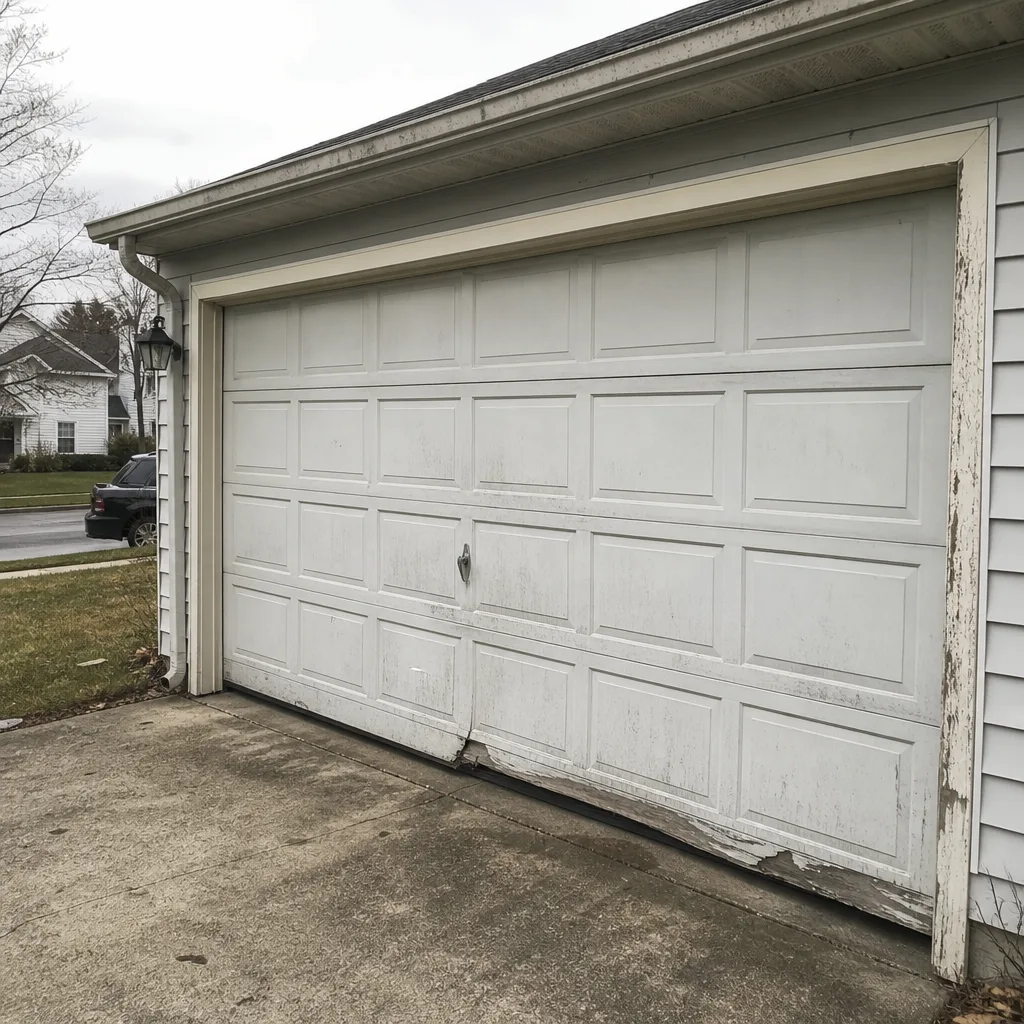 Before
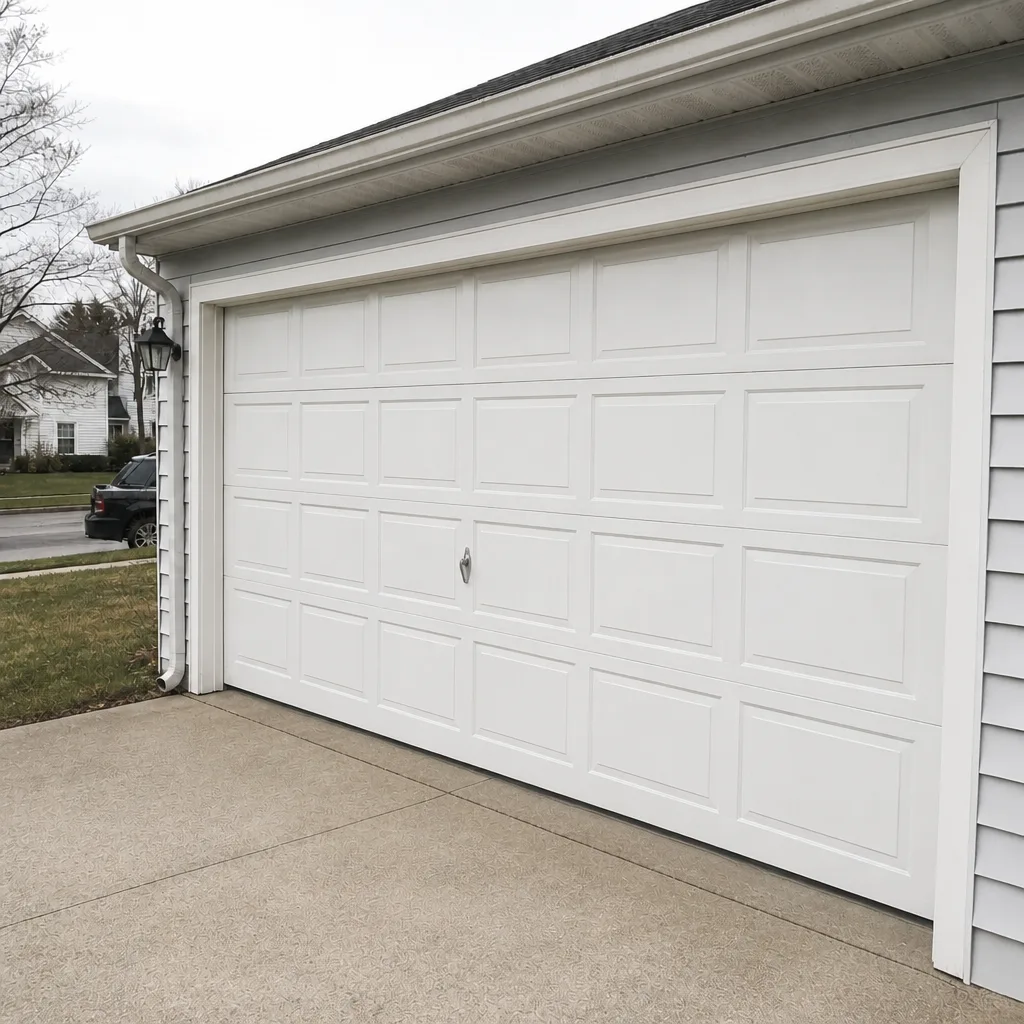 After
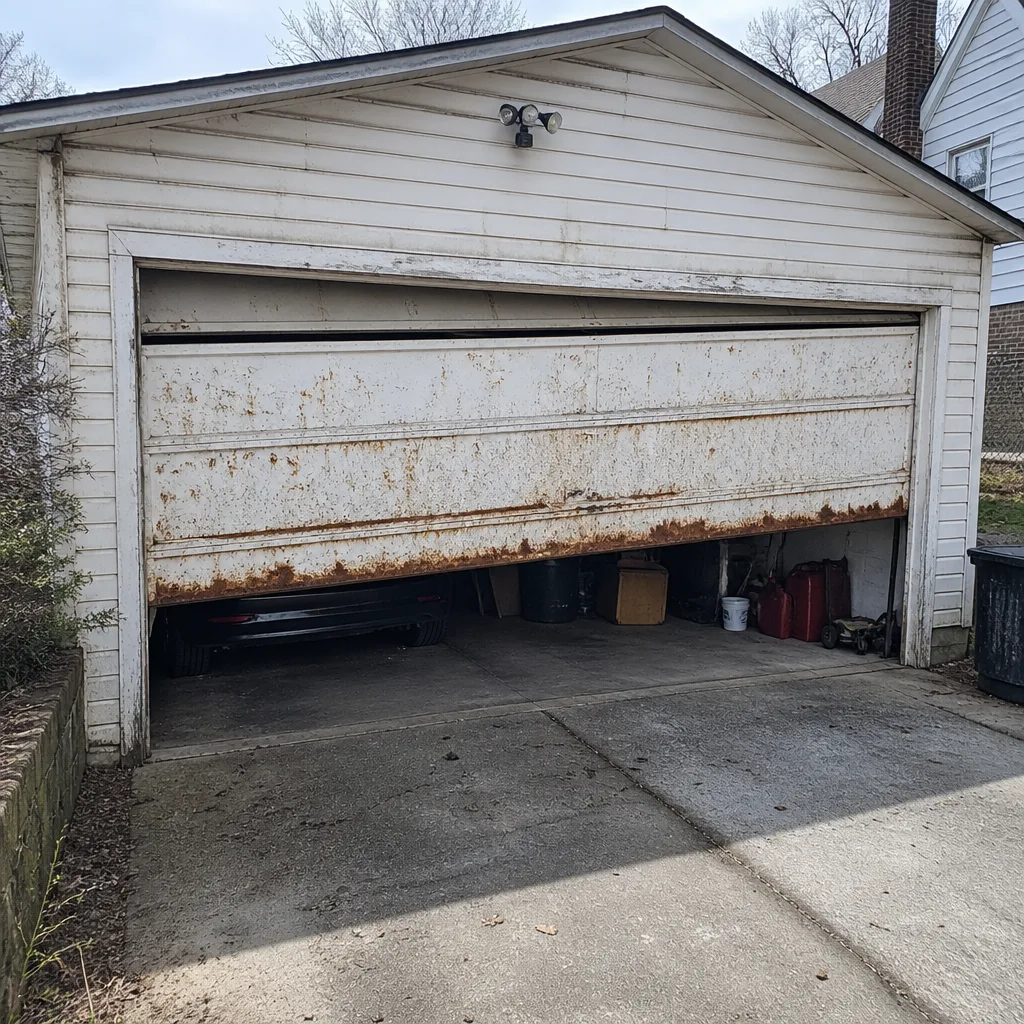 Before
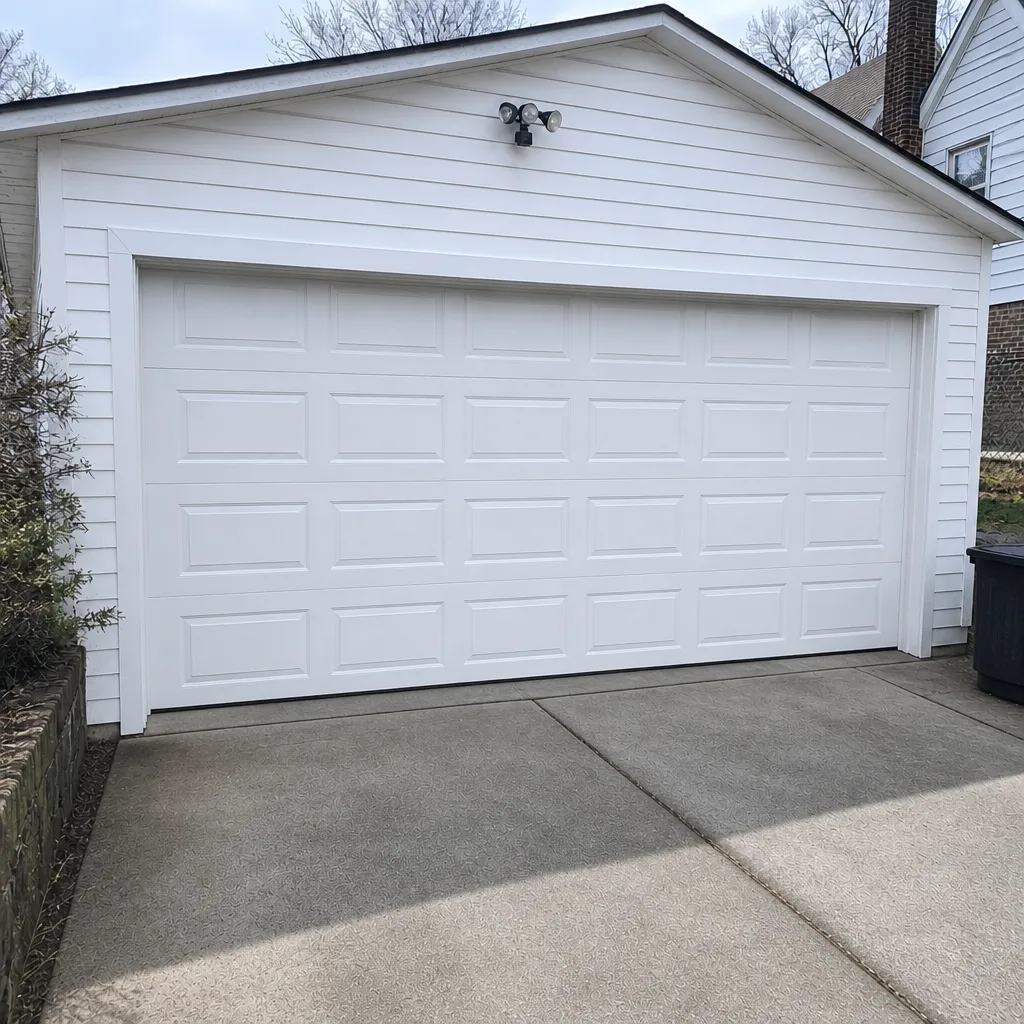 After
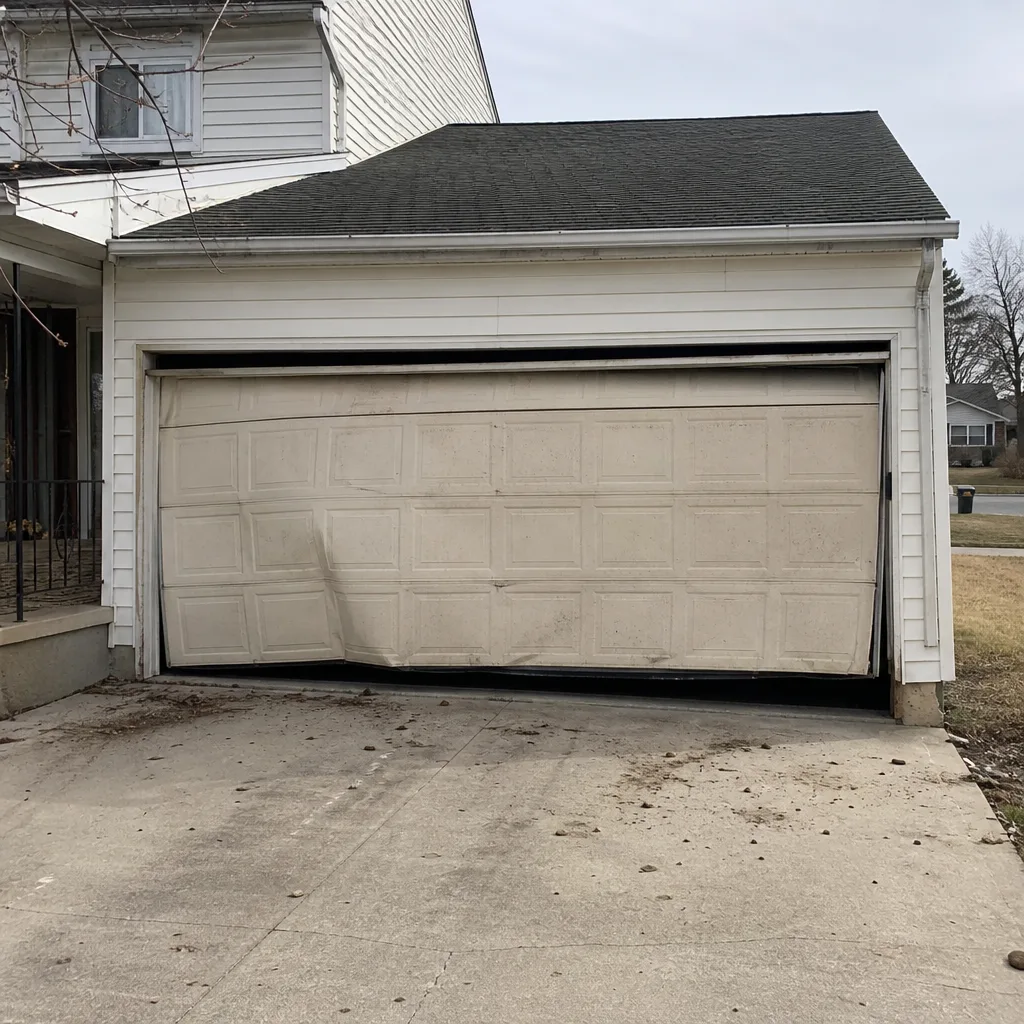 Before
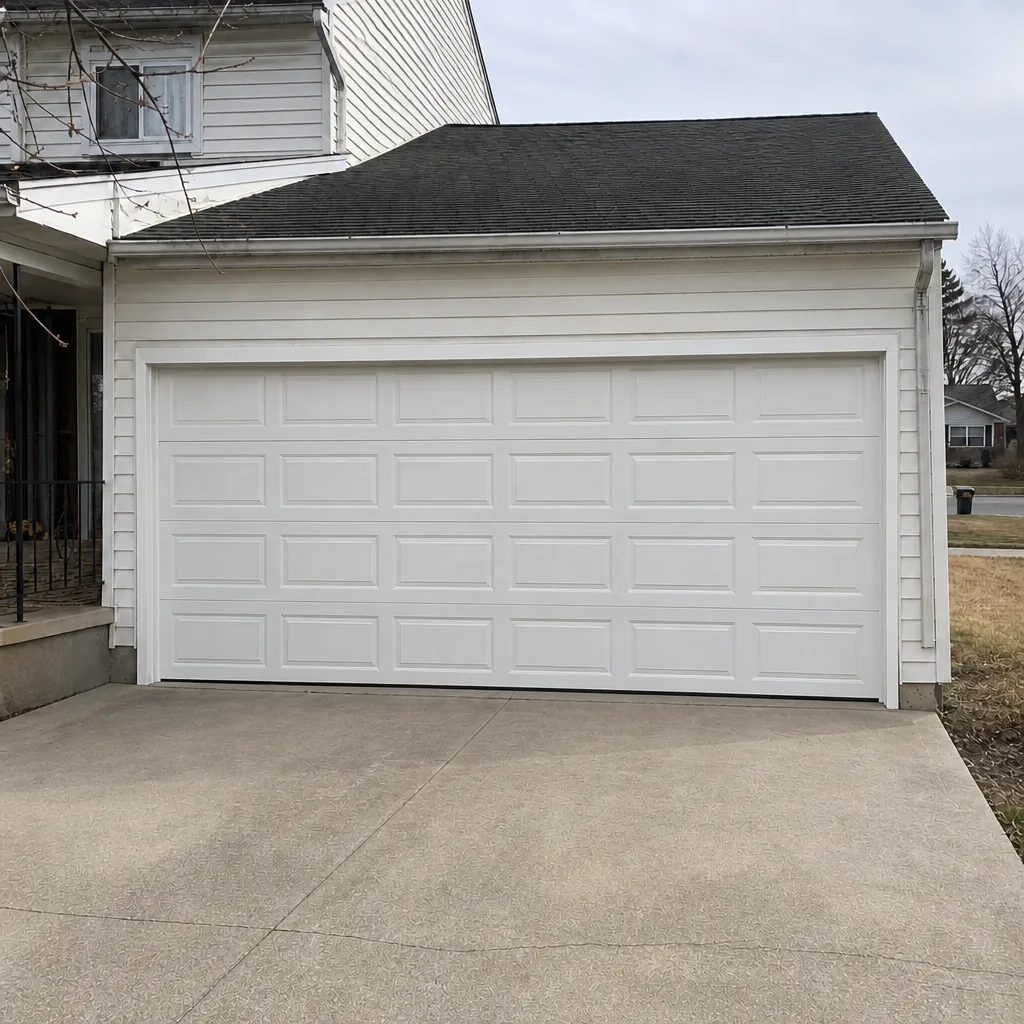 After
When to Call a Professional
Call a professional if the door won’t open or close, if you see a broken spring or a frayed cable, if the door slams, won’t stay up, or lifts heavier than it used to, or if the opener grinds, stops short, or fails its safety reverse. Call if you notice bent panels, an out-of-square opening, or water coming in at the bottom seal. Call before you order a replacement if you haven’t confirmed the rough opening and header depth. And call if you’re not sure which side of the repair-or-replace line you’re on. Garage Door Repair Somerton offers free estimates in Somerton, and the written estimate sets the price before any work starts. Call (844) 992-2726. We answer 24/7. Fast dispatch from 7am to 7pm, Sunday through Friday.
Frequently Asked Questions
A single spring repair typically falls in the low-to-mid hundreds in the Philadelphia-area market, and a matched pair is usually replaced together, so a pair costs roughly double a single spring. The number depends on the door’s weight, the spring type, and whether the cables and drums need attention at the same time. The written estimate sets the final price before any work begins. Call (844) 992-2726 for an exact quote, and estimates are free.
Yes, we handle same-day emergency service for doors that won’t close or won’t open, because a door stuck open is a security issue and a door stuck closed blocks the car in. We answer 24/7, and a call outside dispatch hours is booked into the next opening, Sunday through Friday, 7am to 7pm. Call (844) 992-2726 and we’ll get a technician out.
No, the price you agree to in the written estimate is the price you pay. The estimate is free, the price is set per job, and no work starts until you’ve approved it. If the evaluation finds something the estimate didn’t cover, you hear about it before anything happens, not after. Call (844) 992-2726 for a free estimate.
Yes, the local pro we connect you with is licensed and insured as their state requires, and they work exclusively on garage doors and openers. Our technicians have up to 14 years of experience across LiftMaster, Chamberlain, Genie, Clopay, Amarr, Wayne Dalton, Craftsman, and Raynor systems. Call (844) 992-2726 to talk through your door.
Repair is the right call if the panels are sound, the opening is square, and one component (spring, opener, or cable) is the problem. Replacement is the right call if panels are bowed or delaminating, the frame or header has moved, or the door has needed repeated repairs. Get both numbers in writing and compare lifespan, not just price. Call (844) 992-2726 for a free evaluation.
Very likely, yes. We work on LiftMaster, Chamberlain, Genie, Clopay, Amarr, Wayne Dalton, Craftsman, and Raynor doors and openers, which covers the vast majority of what’s installed in Somerton and the surrounding corridor. Smart, connected openers and older legacy units are both within scope. Call (844) 992-2726 and tell us the brand, and we’ll confirm.
The Bottom Line
A garage door in Somerton isn’t a commodity you pick off a shelf; it’s a system tied to a specific house, climate, and code environment. Mid-century housing stock means header clearance, track geometry, and opener mounting all need confirmed in person before anything is ordered. The Philadelphia-area humidity and freeze-thaw cycles make material choice and sealing the difference between a door that lasts and one that quietly fails. Match the opener to the door, keep up with the tune-up, and never touch a spring or cable yourself. Most importantly, get the written estimate before work starts so the number you agree to is the number you pay. When you’re ready, Garage Door Repair Somerton can walk you through it.
Written by the team at Garage Door Repair Somerton.