
Last updated November 21, 2026
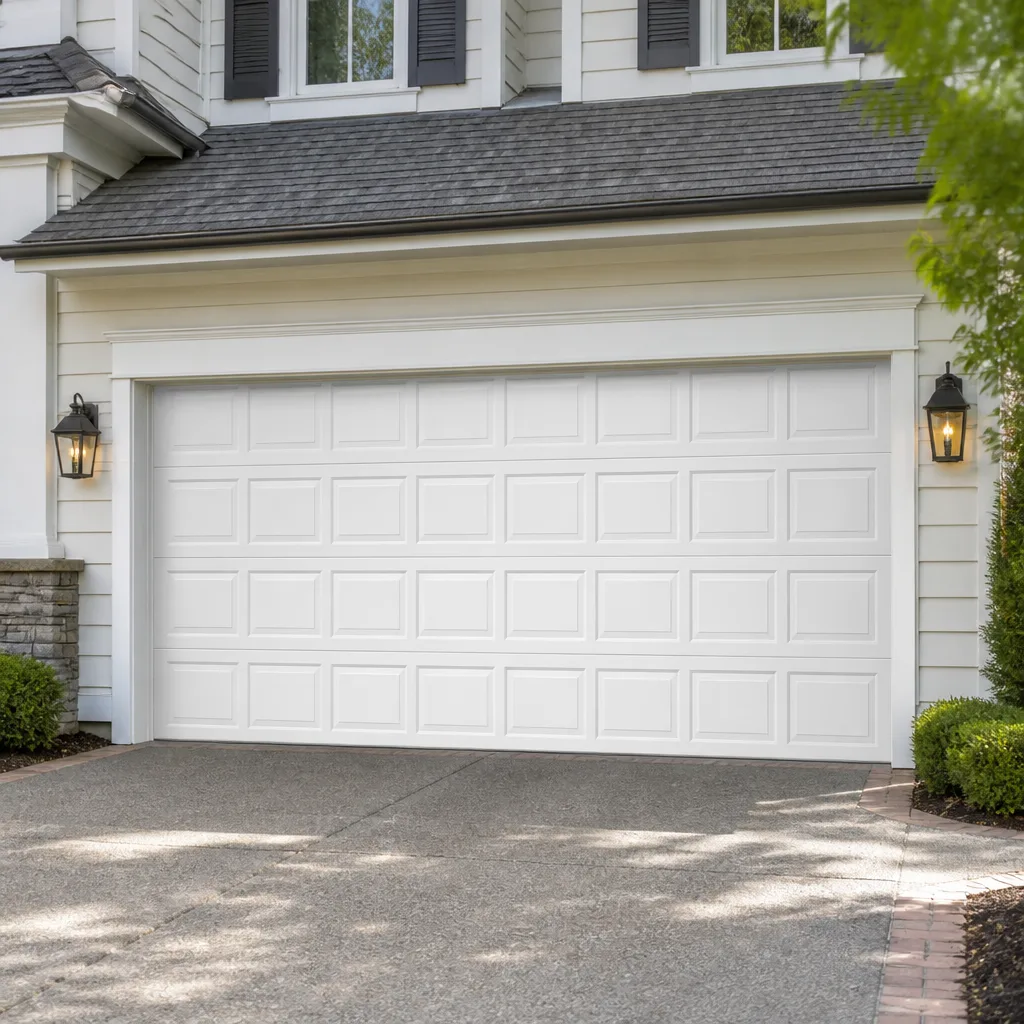 Raised-panel steel
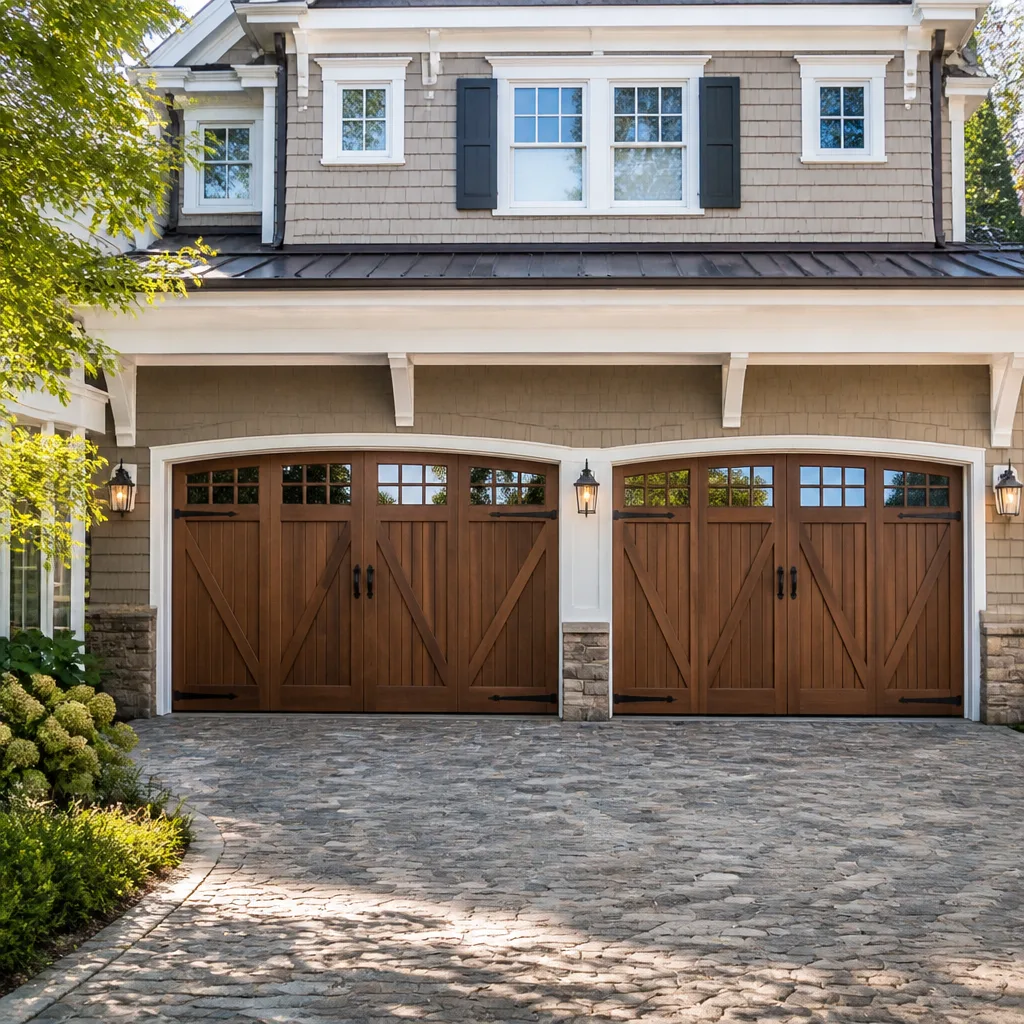 Carriage house
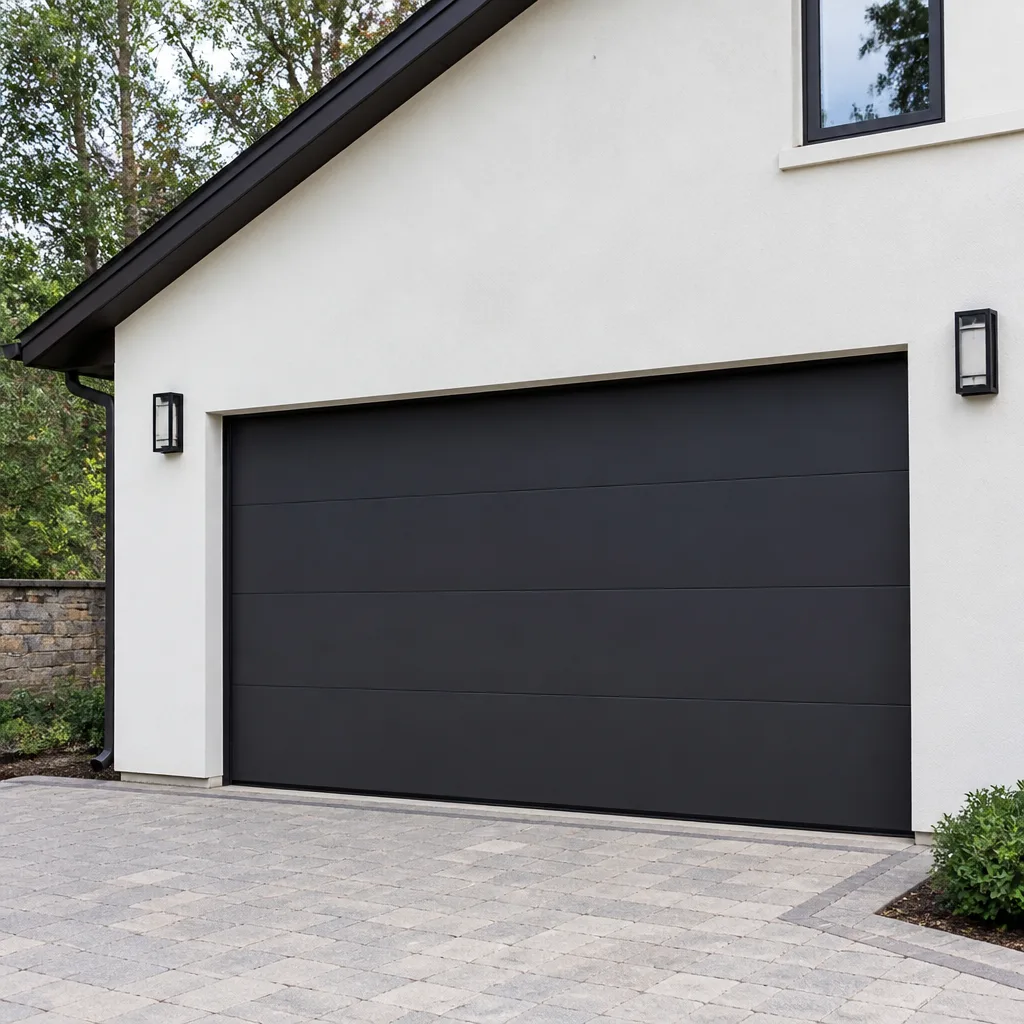 Modern flush
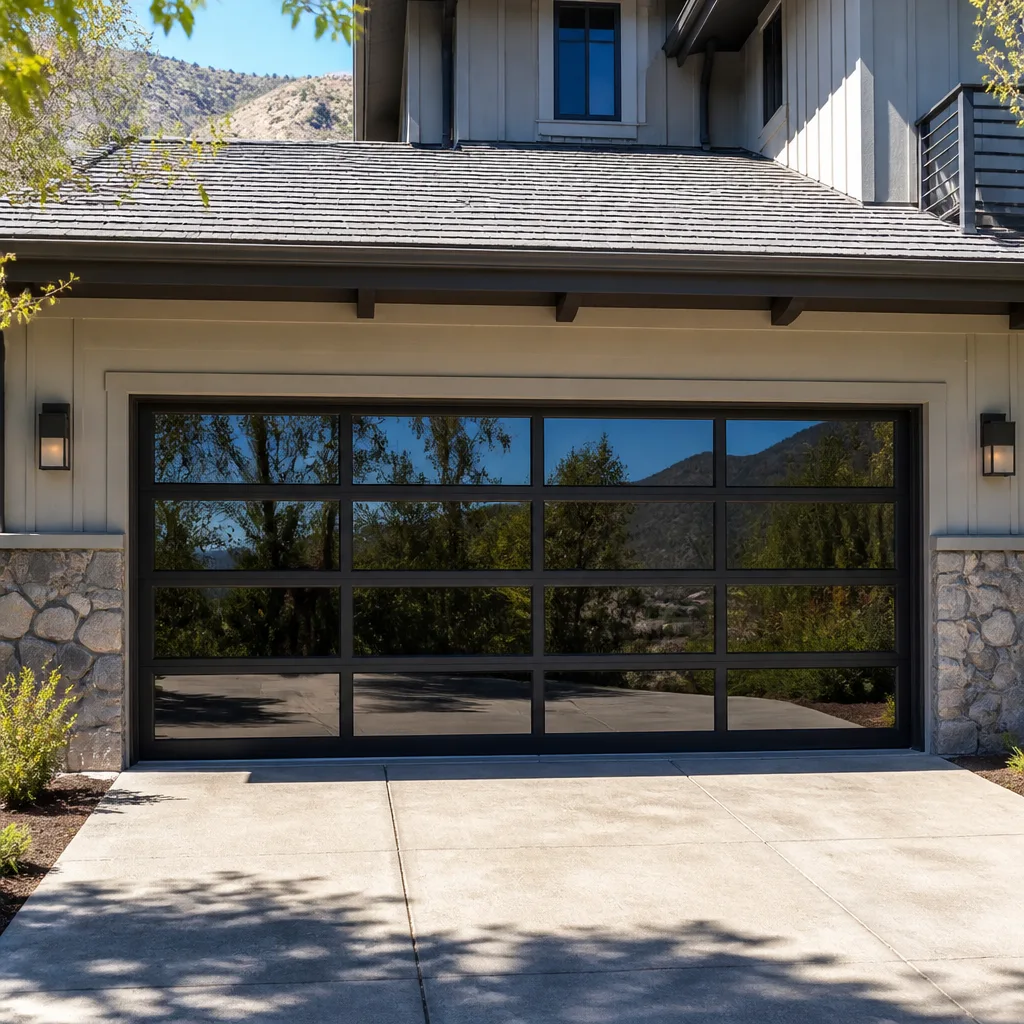 Full-view glass
 LiftMaster openers
 Chamberlain openers
Full 25-point door and opener safety check with every visit - springs, cables, rollers, tracks, and your LiftMaster or Chamberlain opener included
You get a price before we start. It does not change when the pro arrives.
Get your free estimateGarage Door Warning Signs: A Somerton Homeowner’s Reference Guide
Most garage doors announce a failure weeks before it happens. The trouble is that the announcements are quiet: the door takes two seconds longer to open than it did six months ago, the opener hesitates at the halfway point, a small pop you hear once a week. Because the door still opens, homeowners file all of this under “getting old” and keep pressing the button. That habit is why spring replacements so often begin as a 7am emergency instead of a scheduled job. This guide is for Somerton homeowners who want to read their door before it stops reading to them. It maps specific symptoms to specific components, sets out what you can safely check from a distance, and gives you a triage rule for the day your door starts talking.
Quick Answer
The warning signs of a failing garage door are uneven or slowing travel, grinding or popping sounds, opener hesitation or reversing, crooked hanging, and visible wear or gaps in the springs and cables. Any door that won’t travel smoothly and evenly should be taken out of service and inspected, while a door that still runs cleanly but sounds different is usually safe to schedule for a repair visit. Garage Door Repair Somerton treats these symptoms as diagnostic data: each one points to a particular part, and that part has a known fix.
Styles & brands we work with
- Raised-panel steel
- Carriage house
- Modern flush
- Full-view glass
- LiftMaster openers
- Chamberlain openers
Table of Contents
- Why Warning Signs Are Diagnostic, Not Cosmetic
- Matching the Sound to the Component
- What You Can Safely See on Springs and Cables
- Reading Opener Behavior Changes
- Normal Age Noise Versus Structural Noise
- The Triage Rule: Schedule Soon or Stop Today
- How Somerton Weather Shortens Component Life
- A Monthly Walk-Around Checklist
Why Warning Signs Are Diagnostic, Not Cosmetic
A garage door is your home’s largest moving part, and almost every component in it gives advance notice. Springs stretch and lose tension before they snap. Cables fray before they unravel. Rollers flatten before they seize. The reason these signals get ignored is that they arrive as small changes, and small changes are easy to misread as personality rather than problem.
We’ve seen this pattern across every brand we work on, from a LiftMaster opener running a door that has quietly fallen out of balance to a Raynor torsion system whose springs have lost a quarter of their lift. The door still opens because the opener made up the difference. Then one morning the spring lets go, or the opener burns out trying to carry the load, and a symptom that could have been handled on a scheduled visit becomes an urgent call.
There’s a cost angle here too. A slow, labored door is putting extra strain on the opener motor every single cycle. What reads as a door problem is often the early stage of an opener problem, and replacing a motor costs more than correcting the balance issue that caused the strain. Reading the warning signs early is the cheapest repair strategy available to a Somerton homeowner. It saves money because it lets you pick the day of the repair rather than having the repair pick the day for you.
One more point on why symptoms matter: they narrow the diagnosis before anyone touches the door. When you tell us your door “pops once going up and the opener hums a second before it moves,” that description points us at the torsion system and the opener’s start capacitor in a way that “it sounds weird” never could. Specific symptoms shorten the visit and get you an accurate written estimate faster.
Matching the Sound to the Component
Sounds are the most useful warning sign because each one carries a signature. A healthy door makes a consistent, low, rolling sound from start to finish. Anything that breaks that consistency is a clue. Here’s how we map the common ones:
- Grinding: usually rollers, hinges, or the torsion tube bearings. Metal-on-metal grinding that grows louder through the travel is a lubrication or worn-roller issue. Grinding that appears at one spot in the travel often means a bent track or a roller binding in the curve.
- Popping or a single loud snap: a torsion spring under stress, or a panel catching on a track as it passes a joint. A single pop that repeats at the same point every cycle is worth a call before the door is used again.
- Squealing: dry nylon or steel rollers, or the opener’s screw or belt drive. High-pitched squeal that starts after a change in the weather usually clears with lubrication, but persistent squeal points at worn hardware.
- Rattling: loose hinges, bolts backing out, or a panel that has separated slightly from its stile. Rattling that wasn’t there last month is a tightening job, not a replacement.
- Banging at the end of travel: limit switches out of adjustment on the opener, or a door that’s out of balance and slamming into the floor. Both put stress on the whole system and should be corrected.
- Humming without movement: the opener is receiving power but the drive isn’t engaging. That’s often a stripped gear, a failed capacitor, or a carriage that’s come loose. Stop cycling the door and call.
In our experience, the single most underreported sound is the door that’s simply gotten louder. Homeowners adapt to volume creep the way they adapt to a refrigerator that hums louder. If you have to raise your voice to talk in the garage when the door runs, it’s telling you something has worn. Schedule a look.
What You Can Safely See on Springs and Cables
Before we go further, the safety caveat. Garage door springs and cables are under extreme tension, and they can injure or kill someone who touches them. Do not reach into, adjust, or attempt to remove a spring or cable. Never try to “help” a stuck door by pulling on the cable. What follows is about looking from a distance, standing flat-footed on the floor, with the door closed and the opener unplugged. That’s the only inspection a homeowner should do.
From that safe distance, here’s what to look at:
- Spring gap: on a torsion spring above the door, look for a visible gap or separation in the coil. A gap means the spring has broken or is failing and the door should not be operated.
- Spring color: springs are color-coded by size, and fresh paint is a sign the spring is newer. A spring that’s lost most of its paint and shows surface rust is near the end of its working life even if it hasn’t broken.
- Cable condition: the two cables running along the sides should be taut and evenly wound on their drums. Fraying, kinks, or a cable that’s jumped off the drum is a stop-using-it condition.
- Cable slack: on one side, a slack cable usually means the door has gone out of balance, often because a spring has lost tension.
- Panels: look for dents, splits at the seams, or a panel that’s visibly bowed. A bent bottom section can catch on the track and cause the door to reverse or jam.
- Hardware bolts: look for bolts that have backed out or brackets that have pulled away from the panel. Loose brackets are a tightening fix; don’t tighten them yourself if the door is under any spring tension.
In our experience, the visual check catches most of the serious problems. If you see any of the symptoms on that list, don’t cycle the door again. Call for a professional to inspect. A trained technician can diagnose a failing spring or cable in minutes, and our technicians have up to 14 years of experience reading exactly these kinds of wear patterns.
Reading Opener Behavior Changes
Your opener has its own vocabulary, and it speaks in changes from its normal behavior. A LiftMaster or Chamberlain opener that used to move crisply and now pauses before it starts is telling you something. Here’s how we read the common opener symptoms:
- Hesitation at the start: a worn start capacitor, failing logic board, or a door that’s out of balance and dragging. If the door is heavy, the opener is doing work it shouldn’t have to do.
- Stopping or reversing partway: safety sensor misalignment, an obstruction in the track, or the opener’s force limits tripping. Dirty or knocked sensor lenses are the most common cause, but a door that binds is the more serious one.
- Reversing immediately after closing: sensor issue or a door that’s hitting something at the floor. Look at the sensor alignment first, then have the door inspected if the sensors are clean and lined up.
- Running longer than it used to: a door that’s gotten heavy, or a screw or belt drive that’s stretched or worn. Both mean the opener is straining, and both are worth addressing before the motor fails.
- Running for a second after the door stops: a limit switch setting out of adjustment or a worn drive. Minor, but it’s the first sign the opener needs service.
- Remote or keypad range shrinking: a dying battery is fine to replace yourself, but if fresh batteries don’t fix it, the receiver or logic board is the next step.
Newer connected openers add a layer to this: if your opener has a smart-home app, watch for travel-time reports and error codes. A door that takes a second longer on each cycle will show up there before you notice it by ear. When the behavior points at the opener’s internals, garage door opener repair is the right next step.
Normal Age Noise Versus Structural Noise
Here’s the distinction we want every Somerton homeowner to be able to make. Normal age noise is stable and predictable: it’s been the same volume and character for months, it’s tied to the door’s travel, and it changes when the temperature does. Structural noise is new, growing, or intermittent at a specific point in the travel, and it’s usually paired with a change in how the door moves.
As a rule of thumb:
- Normal: a steady, low rolling sound that gets slightly louder in cold months. A bump at the floor as the door seals.
- Normal: a small squeak that lubrication quiets for a while. A rattle from a loose handle bolt you can tighten yourself.
- Structural: a new pop at the same point every cycle. A grinding that grows louder over the travel. A door that’s visibly crooked, sagging, or hanging low on one side.
- Structural: any sound paired with the door stopping, reversing, or requiring a second attempt to close.
We’re not asking you to diagnose which is which from the cab of your car. We’re asking you to notice new and growing sounds, and to keep the door closed and call when the sound comes with a change in movement. Our specialist focus is on garage doors only, so a technician reading structural noise from a Raynor or Clopay door goes straight to the right component because the door is the only thing we work on. If you’re not sure which side of the line a sound falls on, a quick call can get you a same-day visit while the symptom is fresh.
The Triage Rule: Schedule Soon or Stop Today
If you only remember one part of this guide, remember this framework. Two buckets. You either schedule a visit or you stop using the door today.
Stop using the door and call today
- The spring shows a gap or separation.
- A cable is frayed, snapped, or off its drum.
- The door hangs crooked or sags to one side.
- The door reverses or stops partway through its travel.
- The opener hums without the door moving.
- The door won’t close fully, or the opener runs without moving it.
Any one of these is a risk to you, your car, or your ceiling. Close the door manually only if it’s safe to do so. Otherwise, leave it where it sits and call. We work emergency garage door service as a core part of what we do, not a premium add-on, so a snapped spring on a Tuesday morning gets handled the same day the call comes in.
Schedule a visit, but keep using the door
- A new grind or squeal without a change in movement.
- A door that’s gotten louder over time.
- The opener hesitates but still moves the door.
- A small dent or a loose bracket.
- A door that’s heavier than it used to be when lifted by hand.
- A remote or keypad that’s lost range.
These are the “schedule soon” symptoms, and they’re all easier and less expensive to handle than the “stop today” bucket. The trick is not to leave them parked there indefinitely. In our experience, most doors that wind up in the emergency bucket had been sitting in the “schedule soon” bucket for weeks.
How Somerton Weather Shortens Component Life
Somerton’s freeze-and-thaw cycling is the single biggest environmental factor in garage door wear. The same cycles that move our roads also put the door through repeated contraction and expansion. Metal springs and cables contract in the cold, then expand back to their working length as temperatures rise. Over enough cycles, that stretches springs out of their designed tension and eventually leads to fatigue failure. A spring that would last longer in a mild climate may work through its cycles faster here.
What this means for you:
- Watch spring and cable condition most closely as the season transitions into and out of freezing weather.
- Expect more noise and a heavier door on a cold morning. The door should return to normal once it’s warmed up. If it doesn’t, that’s a symptom.
- Keep hinges and rollers lightly lubricated, and do it more often in the winter months. Ask what lubricant to use before you apply anything.
- Keep the bottom seal intact. A torn seal lets moisture, grit, and small animals into the mechanism and the track.
- Check the door’s travel after any big temperature swing. A door that suddenly hits the floor hard or stops short may need a limit adjustment.
We’ve seen how a properly maintained door handles Somerton’s swings better than a neglected one, and the maintenance isn’t complicated. Most of it amounts to listening to your door and looking at it once a month.
A Monthly Walk-Around Checklist
A five-minute check once a month catches almost every warning sign on this page. Work through it in this order, standing on the floor with the door closed:
- Listen. Open and close the door once and listen for new sounds, growing sounds, and any change from last month.
- Watch the travel. Watch the door from start to finish. It should move smoothly with no hesitation, no jerking, and no visible sag or tilt on the way up.
- Look at the springs and cables. Inspect from the floor. No gaps in the spring coil, no fraying or slack in the cables. Do not touch.
- Check the hardware. Look for loose bolts, brackets that have pulled away from the panel, and rollers that are visibly worn flat.
- Test the safety reverse. Place a solid object in the door’s path and close it. The door should reverse on contact. If it doesn’t, this is a stop-using-it condition until a technician looks at it.
- Check the balance. With the door closed and the opener disconnected, lift the door by hand about halfway. It should feel light and stay put. A heavy door or one that won’t hold position means a spring or balance problem.
Any item on the checklist that fails goes straight to the triage rule above. Anything that passes goes back on the calendar for next month. Over time, this checklist is what lets you spot the moment a normal noise becomes a warning sign.
Common Mistakes to Avoid
- Treating a slowing door as age. A door that takes longer to open than it did a few months ago is usually losing spring tension, not just “getting old.” Ignoring it lets the spring stretch further toward failure.
- Relying on the opener to make up for a heavy door. If the door feels heavy by hand, the opener is doing work it wasn’t built for. That wears out the opener faster than any other cause.
- Oiling everything you can reach. Lubrication helps rollers and hinges. It can hurt belts and some sealed components. Use the right lubricant in the right place, and ask before you spray.
- Pulling on a stuck cable. A cable under tension can injure. Close the door, unplug the opener, and leave it for a professional.
- Tightening a spring or bolt yourself. Torsion springs are under extreme tension, and an adjustment made without the right tools and training can fail without warning. Call a trained technician.
- Waiting to use the door until the “next problem” shows up. Warning signs come in clusters. One grind often turns into a stuck door more quickly than homeowners expect.
- Assuming the opener brand is the door brand. A Chamberlain opener on a Clopay door is common. Diagnosing by opener brand alone misses half the system.
See the difference
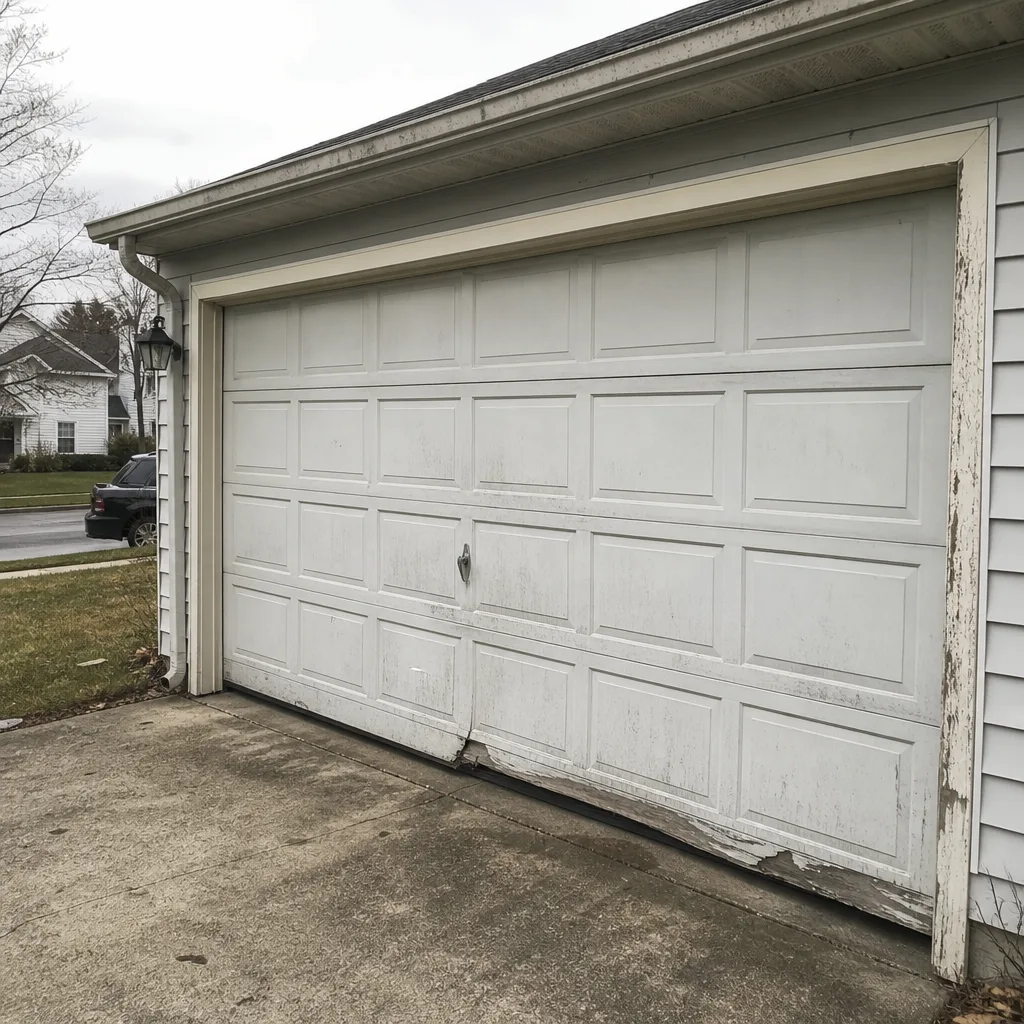 Before
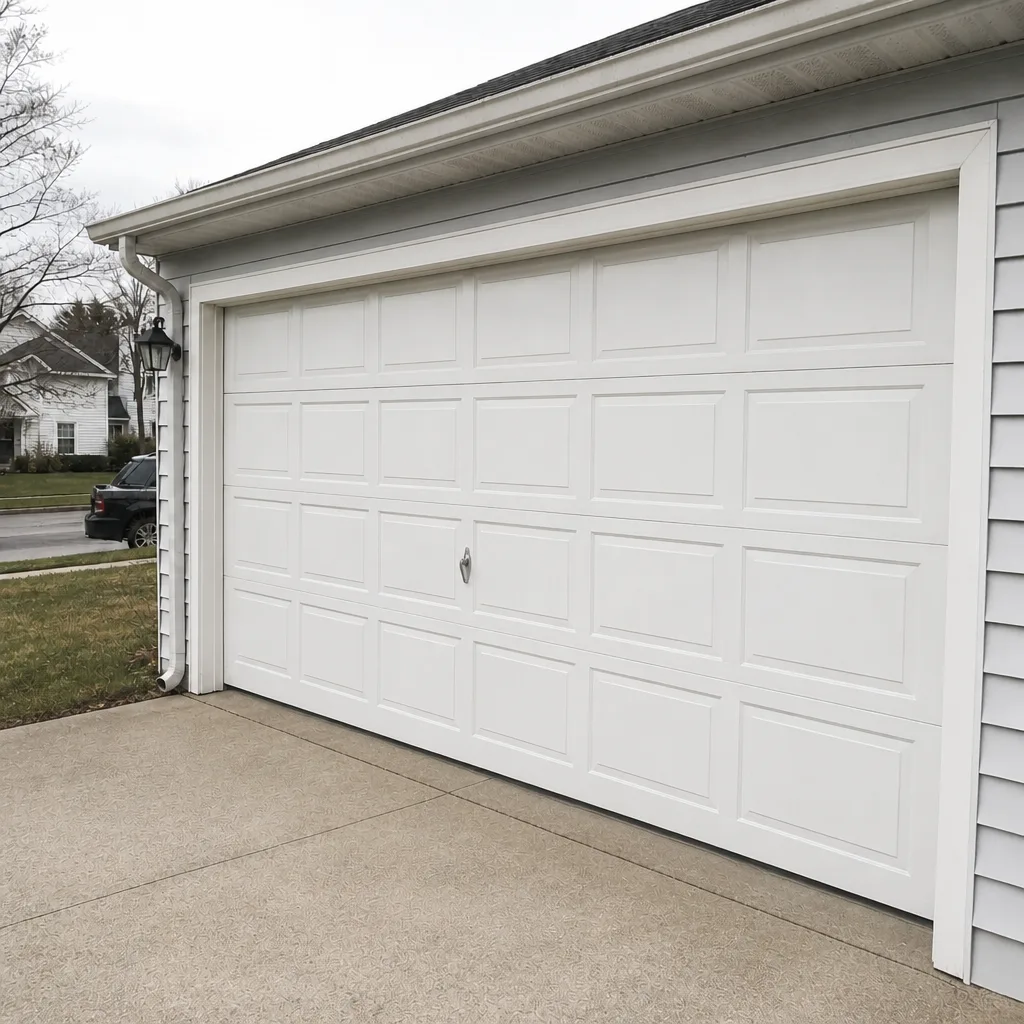 After
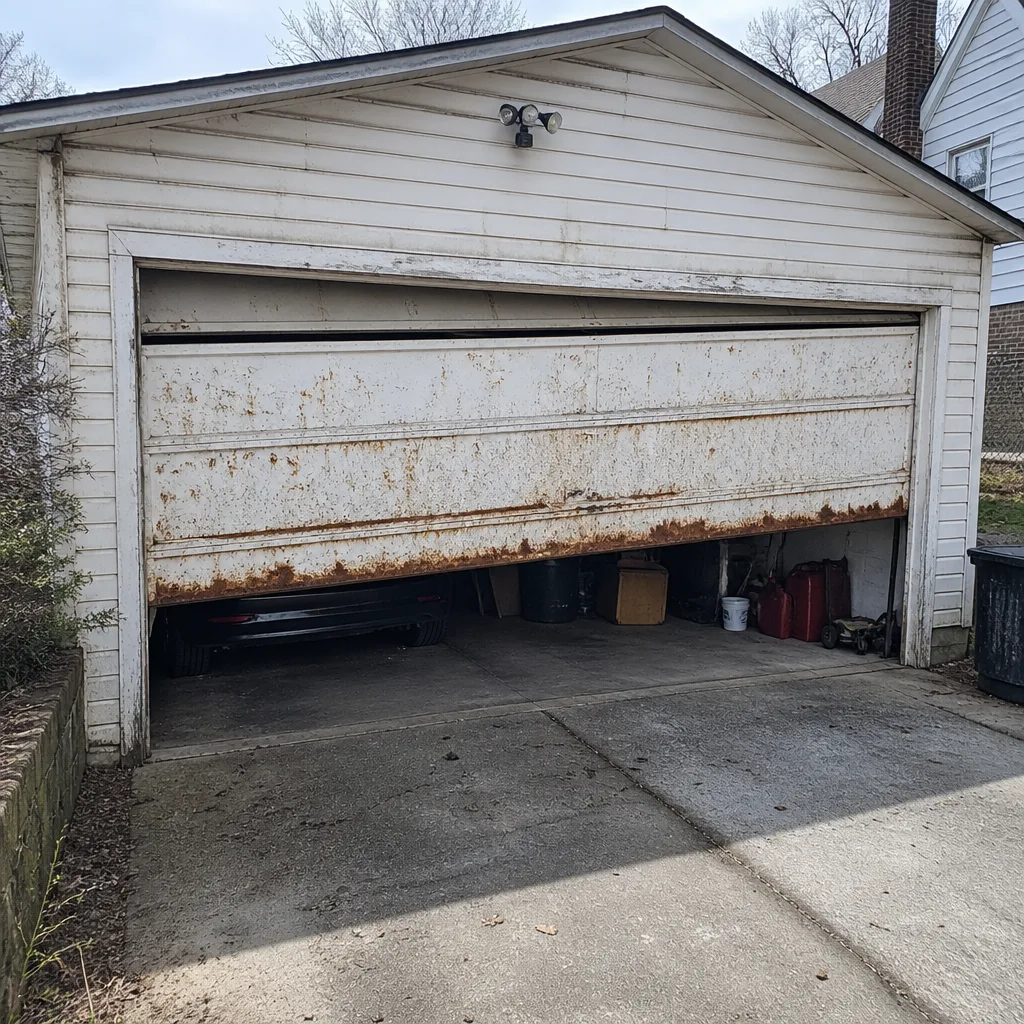 Before
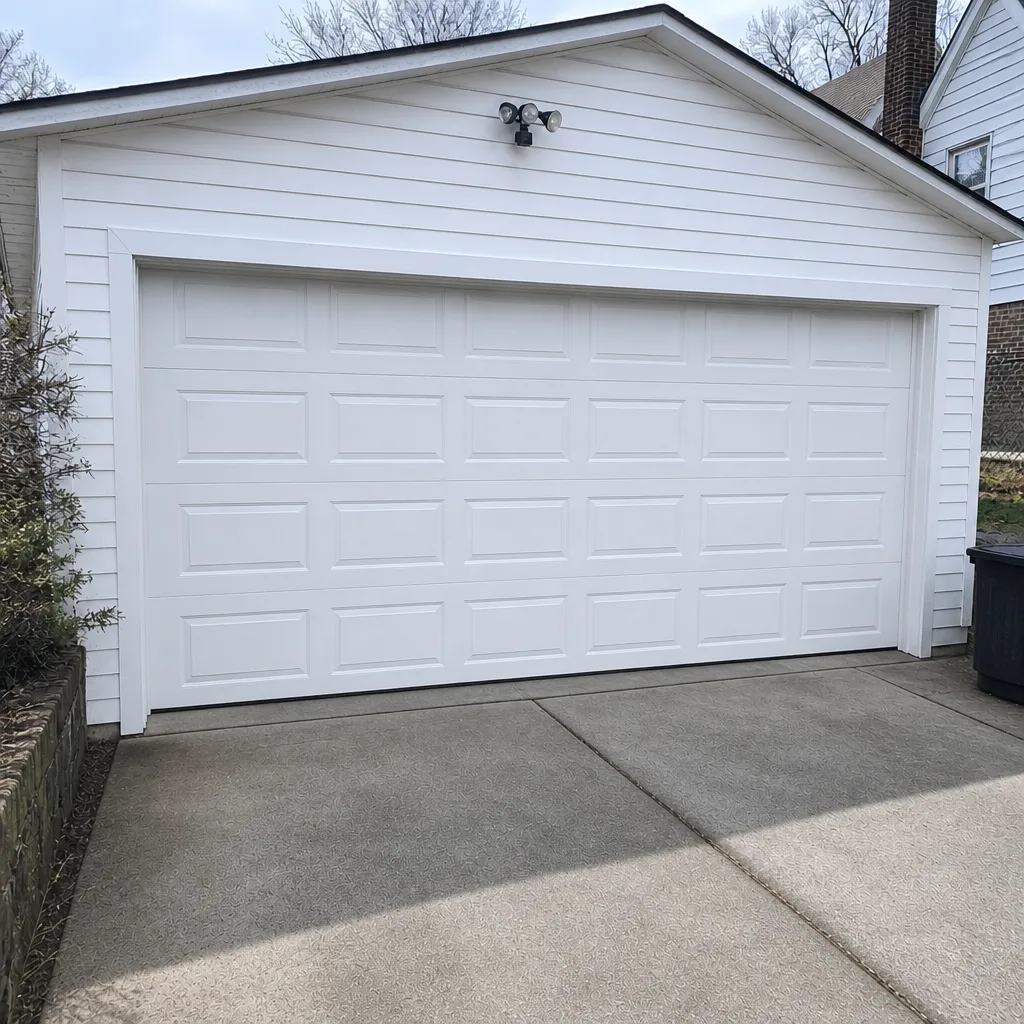 After
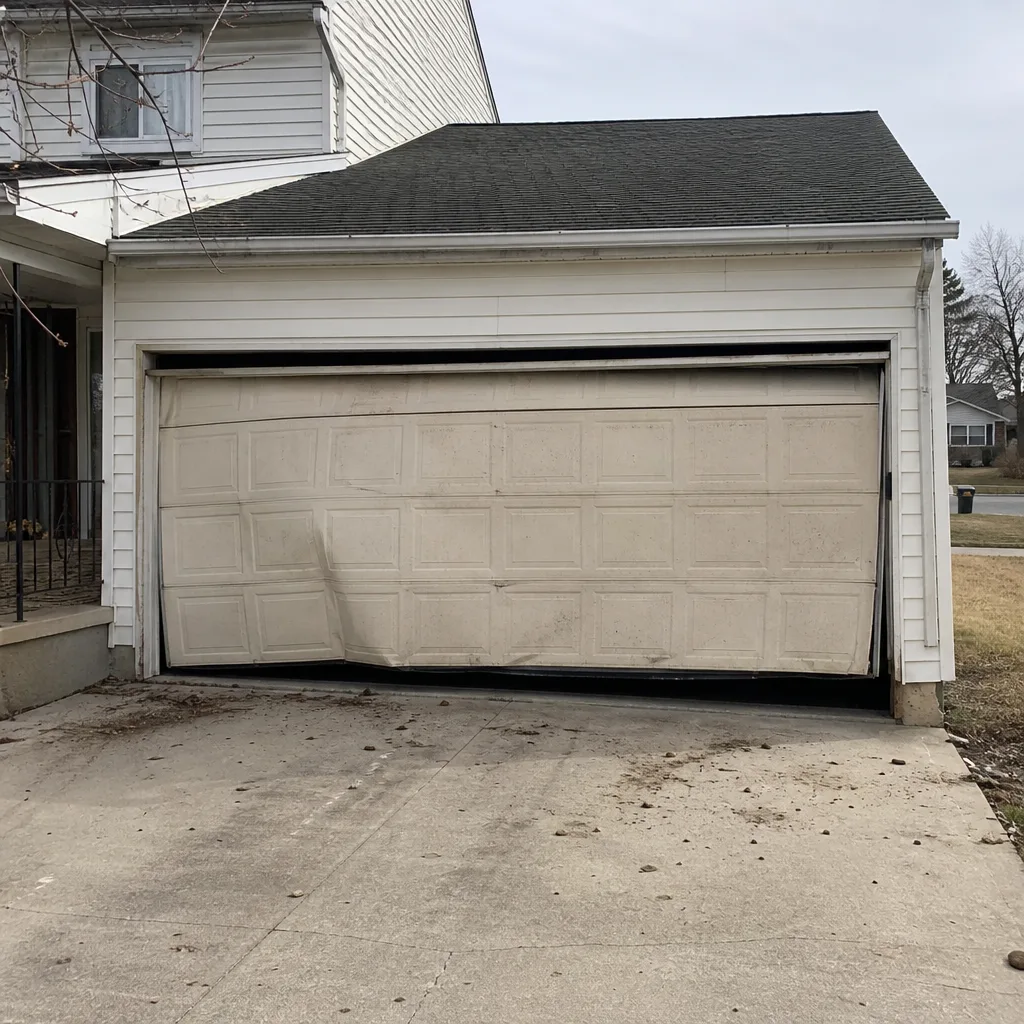 Before
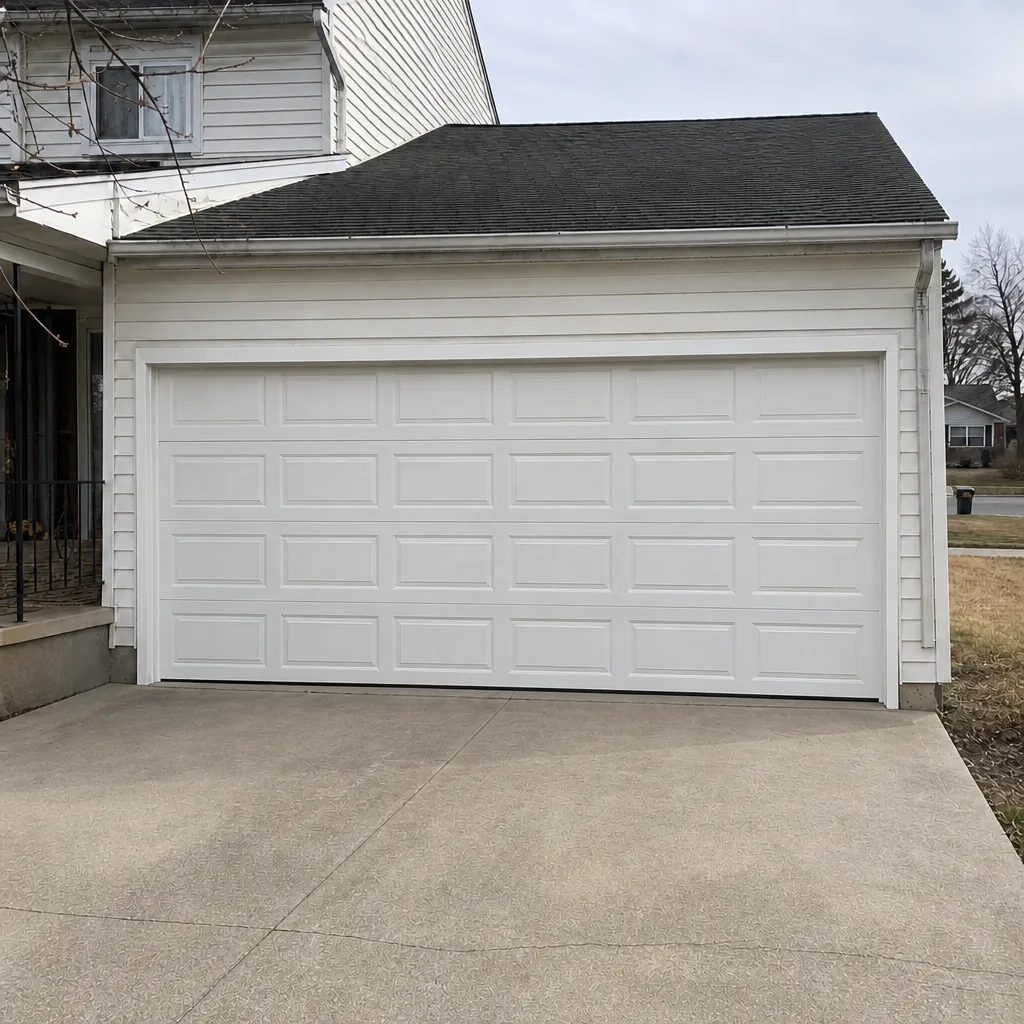 After
When to Call a Professional
Call a professional the moment you have a symptom from the “stop today” bucket: a broken or gap-toothed spring, a frayed or slack cable, a crooked door, a reversing door, or an opener that hums without moving. Don’t wait to see if it fixes itself, and don’t let anyone use the door in the meantime. Book a visit for the “schedule soon” symptoms too, especially if you’ve had the same noise for a month without a change. The trade-off between a scheduled repair and an emergency repair is almost always in your favor. Our specialist focus on garage doors only means a technician shows up already fluent in the system in front of them, including the eight major brands where diagnosis is brand-specific: Raynor, LiftMaster, Chamberlain, Genie, Clopay, Amarr, Wayne Dalton, and Craftsman.
Garage Door Repair Somerton offers free estimates in Somerton. Call (844) 992-2726. We answer 24/7. Fast dispatch from 7am to 7pm, Sunday through Friday. Our technicians have up to 14 years of experience, and the written estimate sets the price before any work starts.
Frequently Asked Questions
A broken spring with a visible gap in the coil is the most serious warning sign, followed closely by a frayed or slack cable. Either one means the door is no longer safely supported and should be closed and left alone until a technician inspects it. Call (844) 992-2726 and we’ll get a visit scheduled the same day if you need it.
Yes, in most cases, if the door still moves smoothly and evenly. A new or growing sound with no change in movement is a “schedule soon” symptom, not a “stop today” one. Keep using it, book a visit, and stop if the movement itself changes. Call (844) 992-2726 for an exact diagnosis.
Normal age noise is stable, predictable, and tied to temperature. Structural noise is new, growing, intermittent at a specific point in the travel, or paired with a change in how the door moves. If the noise repeats at the same spot every cycle, treat it as structural and have it inspected. Call (844) 992-2726 for an estimate.
It’s safe to look at them from a distance with the door closed, but nothing more. Springs and cables are under extreme tension and can cause serious injury. Don’t touch, adjust, or try to remove them. If you see a gap, a fray, or slack, close the door and call (844) 992-2726.
Once a year is a reasonable baseline, with a monthly five-minute walk-around in between. Somerton’s freeze-and-thaw cycling puts springs and cables through more stress than a milder climate, so a check as the seasons turn is worth doing. Our technicians have up to 14 years of experience spotting wear that’s easy to miss. Call (844) 992-2726 for a free estimate.
Not every warning sign needs a repair right away, but every one should be looked at. Some symptoms (a loose bolt, a squeaky roller) are a small fix. Others (a stretching spring, a hesitating opener) are on a path to a bigger failure. Ignoring them makes the eventual repair more expensive and less convenient. Call (844) 992-2726 and we’ll tell you which category you’re in.
The Bottom Line
Garage doors fail loudly but warn quietly. The signals are there weeks before the door stops: a door that slows, a sound that grows, an opener that hesitates, a spring that’s stretched or a cable that’s slack. Read them as diagnostic data, not as personality. Then sort what you find into the two buckets: schedule soon, or stop using the door and call today. If you’re not sure which bucket fits, that’s the moment to call. Call (844) 992-2726 for a free estimate. We answer 24/7. Fast dispatch from 7am to 7pm, Sunday through Friday. For the full repair side of the work, see Garage Door Repair Somerton, or go deeper on garage door repair and garage door installation when you’re ready to talk about a new door.
Written by the team at Garage Door Repair Somerton.