
Last updated November 21, 2026
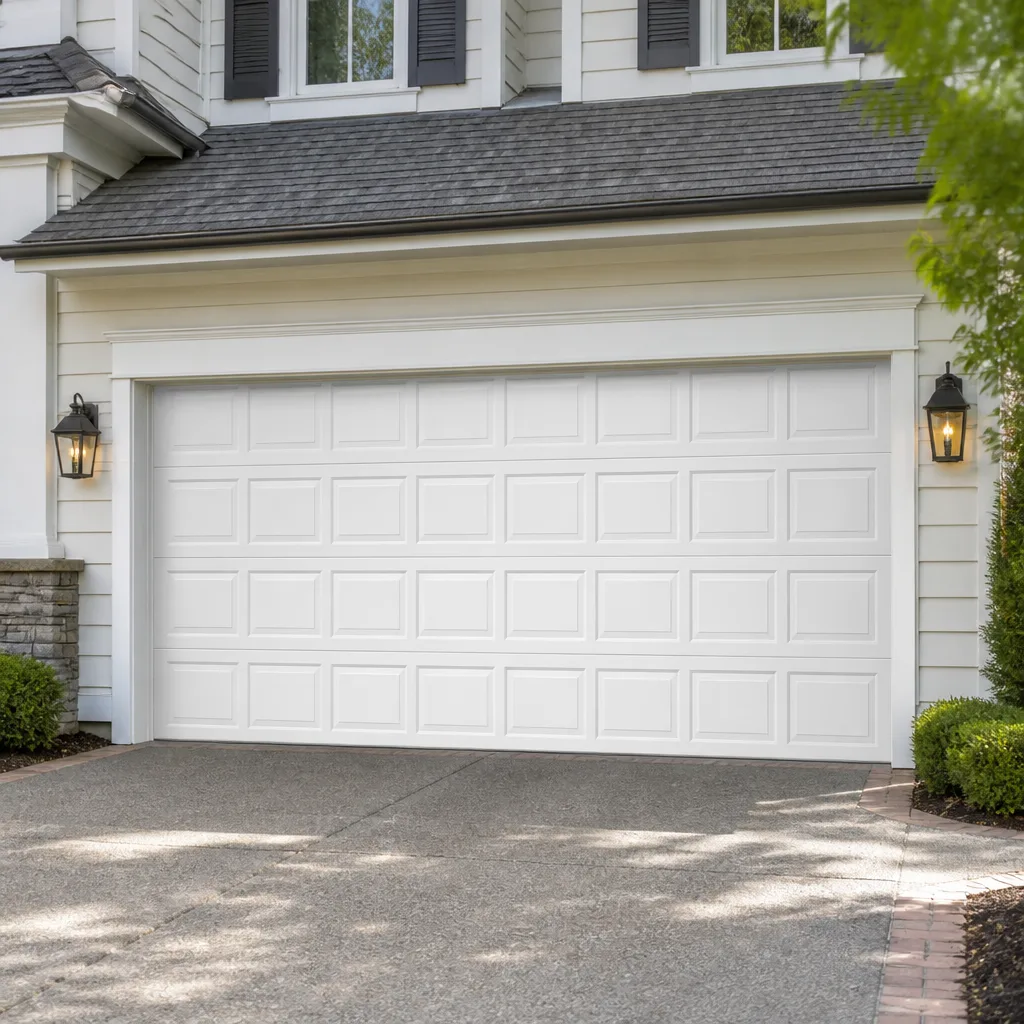 Raised-panel steel
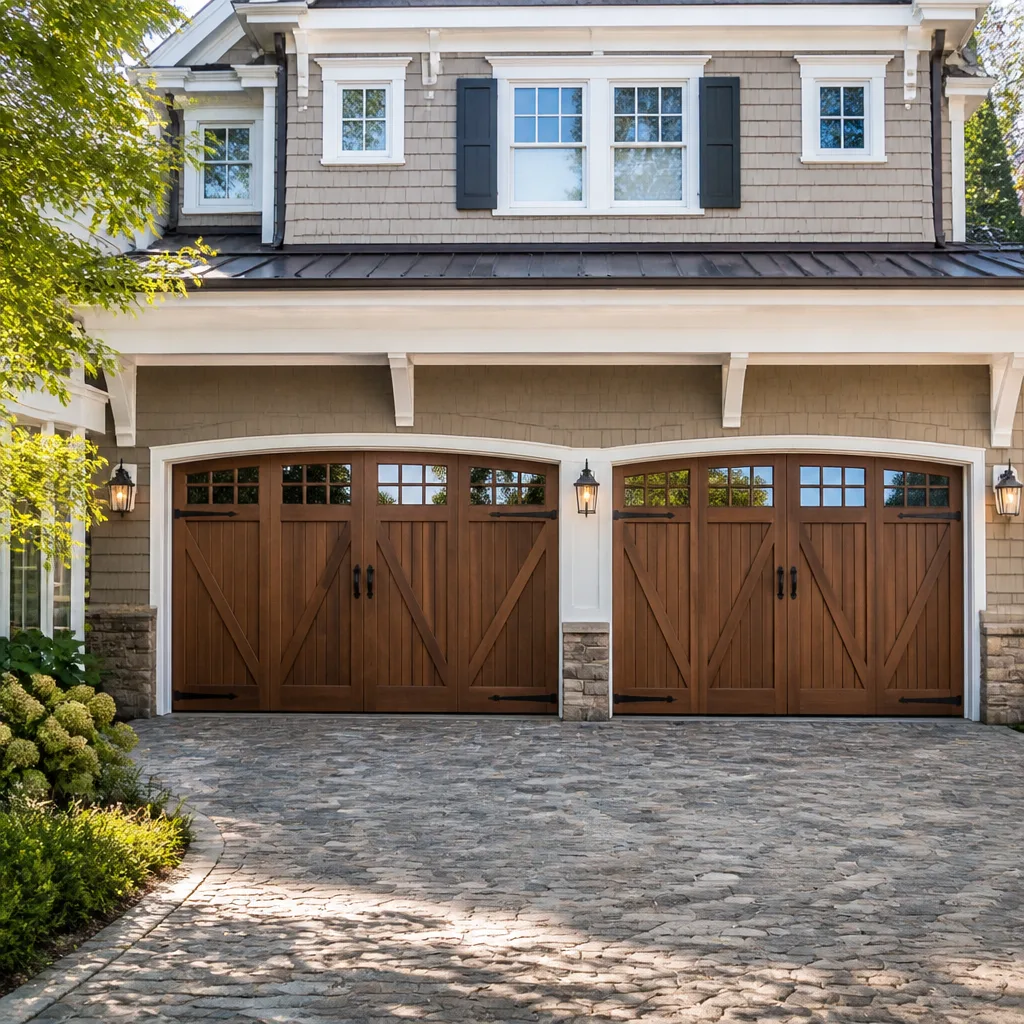 Carriage house
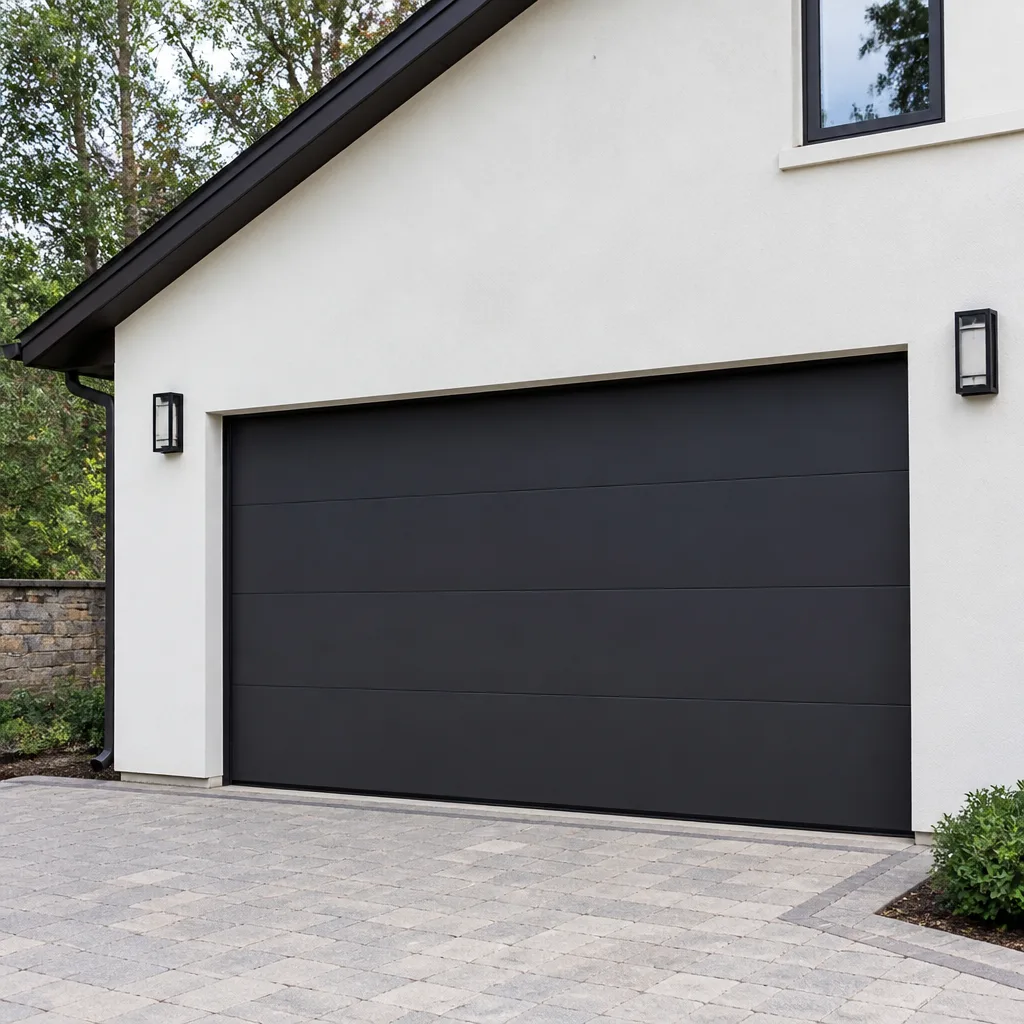 Modern flush
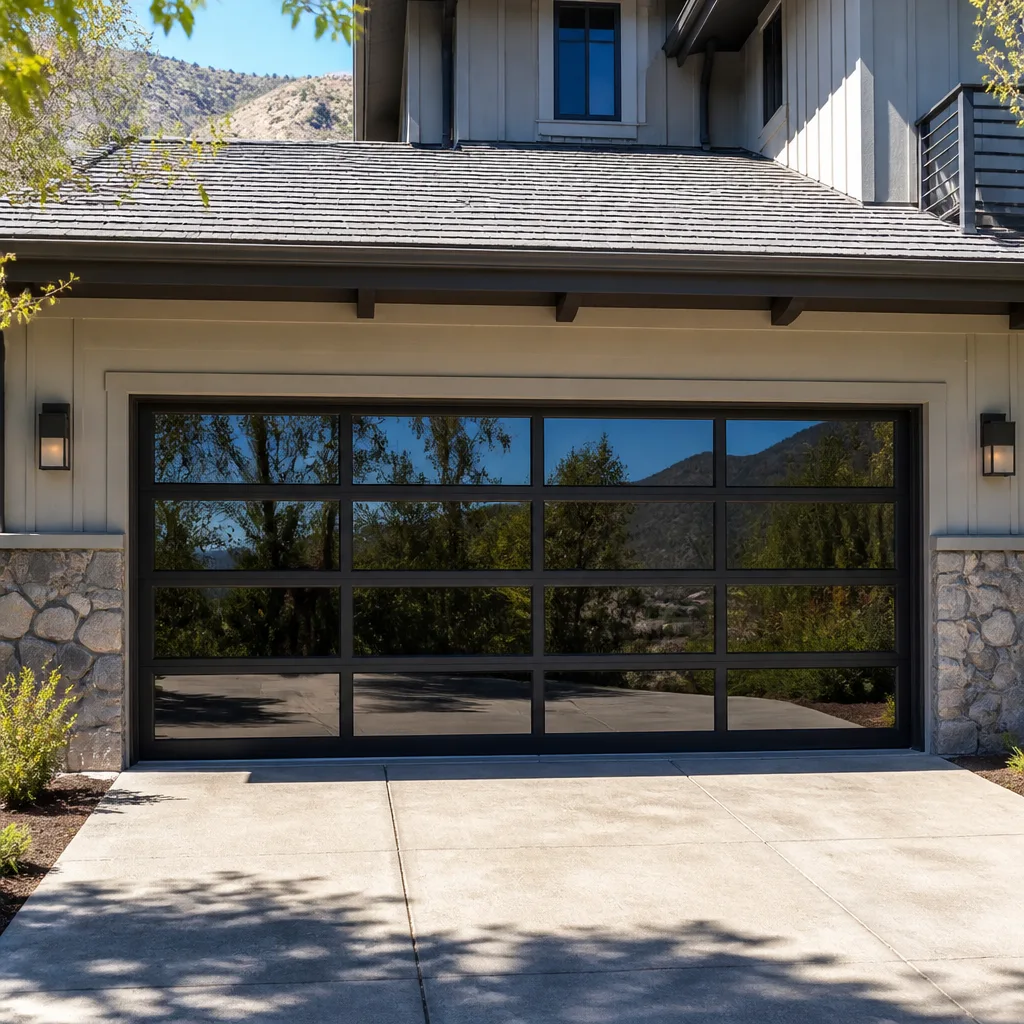 Full-view glass
 LiftMaster openers
 Chamberlain openers
Full 25-point door and opener safety check with every visit - springs, cables, rollers, tracks, and your LiftMaster or Chamberlain opener included
You get a price before we start. It does not change when the pro arrives.
Get your free estimateGarage Door Permits, Codes & Inspections in Somerton, PA: What You Need to Know
Here’s the part almost nobody tells you: in Pennsylvania, whether your new garage door needs a permit often depends less on the door and more on the municipality inspecting it. Homeowners in and around Somerton generally assume no permit is needed for any garage door work, while plenty of contractors skip the conversation entirely to keep a job moving. That leaves you holding the liability years later, when a home sale inspection or an insurance claim surfaces work that was never signed off. This guide walks through what the state code says, when Philadelphia County and the surrounding home rule townships differ, what a code-compliant install actually includes, and how to ask the right questions before anyone touches your door.
Quick Answer
Garage door replacement is a structural change and is generally treated as permit-required work under Pennsylvania’s Uniform Construction Code, while routine repairs like a broken spring, a snapped cable, or a bad opener usually fall outside the permit process. The catch is that enforcement runs through your local code office, so Somerton-area homeowners need to confirm with the township or city that has jurisdiction over the property before work begins. A code-compliant installation also has to satisfy the door safety standard, including auto-reverse and entrapment protection, whether or not a permit is pulled.
Styles & brands we work with
- Raised-panel steel
- Carriage house
- Modern flush
- Full-view glass
- LiftMaster openers
- Chamberlain openers
Table of Contents
- What Does the Pennsylvania UCC Say About Garage Doors?
- Philadelphia County vs. a Home Rule Township Like Somerton’s
- Replacement vs. Repair: Which One Triggers a Permit
- What a Code-Compliant Garage Door Installation Includes
- How Unpermitted Garage Door Work Shows Up at a Home Sale
- How to Ask a Contractor Whether They Pull Permits
- What an Inspection Actually Looks At
- Somerton House and Climate Factors That Matter
What Does the Pennsylvania UCC Say About Garage Doors?
The Uniform Construction Code, or UCC, is Pennsylvania’s statewide building code, and it sets the baseline for how construction and alterations are handled across most of the state. Garage doors fall under it because a door is a large moving component attached to the structure, not a decoration. Replacing one changes the opening, the anchoring, and the safety system, and those changes are exactly the kind of work the UCC is built to cover.
The UCC itself doesn’t say “every garage door needs a permit.” What it does is establish the code framework and then let municipalities administer and enforce it. That’s why the answer to “do I need a permit” isn’t a single statewide yes or no, but a question you have to answer at the local level. The state sets the rules; your municipality runs the office that reads them.
Where the UCC matters most for a garage door job:
- Alterations and replacements are treated as construction work, which is the category most likely to require a permit and an inspection.
- Repairs that restore function to the existing door (springs, cables, rollers, opener motors) generally don’t rise to the same level as a replacement.
- Safety devices are part of the door system, so replacing an opener or a safety edge is often reviewed as part of the overall assembly.
- Local amendments can add requirements on top of the UCC, and some municipalities adopt stricter or clearer rules than the state minimum.
Because the UCC is administered locally, the practical move is always the same: call the code office that covers your address before the work is scheduled, not after. If you’re in Somerton and unsure which office applies, that single phone call saves a lot of confusion down the road. After work is approved, you’ll likely want to move ahead with Garage Door Repair Somerton or a replacement, and knowing the permit status first keeps the whole job clean.
Philadelphia County vs. a Home Rule Township Like Somerton’s Area
Here’s where it gets genuinely confusing, and it’s the reason so many homeowners get it wrong. Somerton sits at the northern edge of Philadelphia, right against Montgomery County, and the border between city and township runs through the area. Properties on one side answer to the City of Philadelphia’s code office. Properties on the other answer to a home rule municipality with its own permit process, its own fee schedule, and its own idea of what needs to be filed.
Neither system is “laxer” than the other. They’re just different offices with different forms, timelines, and inspection habits. A contractor who works mostly in the city may not know the township’s process, and vice versa. That’s not a knock on any contractor; it’s just a fact about how Pennsylvania local government works. Home rule means the municipality makes a lot of its own calls.
What that means for you in practical terms:
- Confirm the jurisdiction for your specific address, not for “Somerton” broadly. The township line matters here.
- Ask the code office directly whether a garage door replacement requires a permit and whether it requires a final inspection.
- Get the answer in writing if you can, even by email, so there’s no dispute later.
- Ask if the opener or safety devices trigger a separate electrical review in that municipality.
- Keep a copy of any permit and the inspection sign-off with your home records.
In our experience, the confusion isn’t usually about whether the rules exist. It’s that homeowners don’t know which set of rules they’re under until something forces the question. Knowing the jurisdiction up front is the whole game, and it’s the first thing we ask when a Somerton customer starts planning garage door installation.
Replacement vs. Repair: Which One Triggers a Permit
This is the distinction homeowners ask about most, and it’s the line that determines whether paper has to be filed. A repair brings the existing door back to working order. A replacement puts in a new door, or a new opener, and changes the assembly. Those two things are handled differently under the UCC framework.
Here’s how to think about the split:
- Replacing the door itself – most likely to require a permit and a final inspection, because the opening, anchoring, and hardware are all new.
- Replacing a spring, cable, roller, or hinge – usually treated as a repair, no permit, no inspection. Spring work is still the most dangerous DIY job in the trade, so “no permit” doesn’t mean “safe to do yourself.”
- Replacing the opener – often a gray area. Some municipalities want to see it filed as part of the door assembly, especially when the safety devices are being updated at the same time.
- Adding a new opener to an old door – frequently requires a safety inspection of the door itself in addition to the opener install, because the door has to be able to reverse on contact.
The important thing to carry away: if a contractor tells you “repairs never need permits” and then proceeds to install a brand-new Clopay or Amarr door, those two statements are in conflict. A replacement isn’t a repair no matter how fast it goes in. If you’re not sure which category your job lands in, ask your code office before you schedule. A quick phone call clears it up. If the job turns out to be a repair, that’s usually priced per job by written estimate, and you’ll know where you stand before anything starts.
What a Code-Compliant Garage Door Installation Includes
Whether or not your municipality requires a permit, the installation itself has to be code-compliant. That’s the standard an inspector gauges, an insurer relies on, and a future buyer’s inspector checks. A code-compliant garage door install means more than a door that opens and closes.
The core safety requirements are these:
- Auto-reverse function. The door has to reverse on contact with an obstruction. This is tested during inspection and is the single most common safety failure on newer doors.
- Entrapment protection. A door opener has to have a barrier and a non-contact safety device, and the door must not close on a person, a pet, or an object.
- Photo eye placement and height. The safety beam pairs are placed so a child, pet, or object at floor level breaks the beam before the door descends. On a proper install, the beam sits low on the track, not tucked high where a toddler would slip under it.
- Correct anchoring and hardware. The door’s track, brackets, and springs have to be mounted per the manufacturer’s spec. A door rated for a specific weight has to be paired with springs matched to it.
- Clearance and balance. The door has to sit correctly in the opening and operate balanced across its travel.
The brands matter here in a specific way. Genie and LiftMaster openers each have their own safety-device logic, and a tech who works across only one brand is guessing at the other. Clopay and Amarr doors have their own installation specs and hardware. We work on the brand you already own, across eight major brands, because the safety devices follow brand-specific logic and the door has to be set up correctly to satisfy inspection.
How Unpermitted Garage Door Work Shows Up at a Home Sale
Here’s the scenario that catches people years after the fact. You replace a garage door in Somerton. The work looks fine. Then you go to sell, and a buyer’s inspector notes that a door replacement was done without a permit and without a final inspection. Suddenly you’re answering questions about a job you had done years ago, and the sale timeline starts bending around a code office schedule.
An unpermitted installation typically shows up in three places during a sale:
- The seller’s disclosure – the buyer asks directly whether any work was done without a permit, and “I don’t know” tends to become a negotiation item.
- The buyer’s inspection report – inspectors who work the area know what a code-compliant install looks like, and a safety-device gap is visible.
- The insurance file – if a claim touches the garage door, an unpermitted install can complicate how the insurer handles it.
Remediation usually means getting a retroactive permit, which requires opening up or documenting the installation, then passing an inspection of the safety devices. It’s not a catastrophe, but it’s stress and cost that nobody wants during a home sale. In our experience, the cleanest version of this is simple: pull the permit at the time of the work, keep the paperwork, hand it to the buyer’s inspector, and the conversation ends in five minutes.
For homeowners planning an eventual sale, we usually recommend asking two questions early on: does my municipality require a permit for this, and who is pulling it. We can advise on both, and if a repair is all that’s needed, we can cover garage door repair without touching the permit process at all.
How to Ask a Contractor Whether They Pull Permits
This is the part nobody coaches homeowners through, and it’s the single question that separates a clean job from a liability. You don’t need to know the permit code yourself. You need to know how the contractor answers when you ask.
Here’s the script we’d suggest:
- “Will this job need a permit in my municipality?” – a specialist answers with a yes, no, or “let me check.” A vague “you don’t need one” is a red flag.
- “If it needs one, who pulls it?” – in most municipalities the licensed contractor files on the homeowner’s behalf. If the answer is “you’ll need to do that,” that’s a signal to ask why.
- “When does the inspection happen?” – typically after installation, and it should be on their timeline, not yours to chase.
- “What’s included in the price?” – get the written estimate to say whether the permit fee and inspection are part of the job. The estimate is the price, and you should see it in writing before work starts.
- “If I don’t pull a permit, what would you do?” – the honest answer is “we won’t do it that way.” A contractor who offers to skip the permit to save you money is offering to hand you the liability.
If a contractor tells you skipping the permit is normal, and your code office would disagree, that’s not a shortcut. It’s a problem that follows you, not them. We’re a dedicated garage door specialist, so we’ve had this conversation hundreds of times across different cities and townships; we’d rather answer it on the phone before a job than let it bite a homeowner later. When you’re ready to talk it through, call (844) 992-2726.
What an Inspection Actually Looks At
If your municipality requires an inspection, what is the inspector actually checking? Knowing the short list keeps the visit quick and uneventful.
The inspection is not a beauty contest about how the door looks. It’s a safety check on the operating system. The core items:
- Auto-reverse test. The inspector will break the safety beam and confirm the door reverses and does not resume closing until the beam clears.
- Contact reversal. The door is tested against a solid obstruction to confirm it reverses rather than pressing down.
- Photo eye height and alignment. The beam is checked for placement and clear sight across the opening.
- Door balance. A door that’s not balanced will fail the safety tests and needs a spring or track adjustment before it’s approved.
- Anchoring and track. The brackets and track are checked against installation spec.
- Paperwork. The permit, the installation details, and the opener specs need to line up.
Scheduling a final inspection after a door install is routine; the work is right and the inspector signs off. Preparation happens on install day, not inspection day. A door that’s set up correctly the first time passes first time. The tricky cases are doors installed without a permit and later retro-reviewed, because the fix is often “adjust this and re-test,” not “rebuild the door.”
Somerton House and Climate Factors That Matter
Somerton’s housing stock and this part of southeastern Pennsylvania’s weather both affect how a garage door wears and how a compliant install has to be set up. These details don’t change the permit question, but they do change what a technician looks at during a job.
The relevant factors:
- Freeze-thaw cycling is real here. Doors that see repeated freeze and thaw get worked across the weather seal and the bottom bracket, and a door that was already slightly out of balance can degrade further over a winter.
- Summer heat and humidity expand wood and stress steel doors at the seams, which matters when a door is being sized and installed (the door has to fit correctly across all seasons, not just at install temperature).
- The area’s split between city blocks and older township homes means many garage openings are not perfectly square. A door that isn’t sized correctly runs into balance problems and inspection issues.
- Age of the housing stock matters too. An older door may have been through two or three opener upgrades, and safety devices from older units may not meet the safety standard a code inspection applies.
None of this is a reason to avoid a code-compliant install. It’s a reason to get the install sized and balanced properly on the front end. We see a lot of Somerton-area jobs where the door itself was fine and the issue was the opener’s safety device or a bottom-bracket adjustment. Addressing it during install is easy. Addressing it as a retrofit after an unpermitted install is more expensive and more stressful. If the opener’s the problem rather than the door, that’s a separate job, and garage door opener repair can resolve a non-compliant opener without touching the door.
Common Mistakes to Avoid
- Assuming no garage door work ever needs a permit. That’s the assumption that starts most of these problems. Most, if not all, replacements fall under review, so confirm before you book the job.
- Telling the contractor to “skip the permit to save time.” This puts the liability on you, not on them, and it’s exactly the scenario that surfaces at a home sale.
- Confusing city and township jurisdiction near the Somerton line. The code office that covers a property on the city side is not the same one that covers a home rule township property, and vice versa.
- Replacing an opener without checking the door’s safety devices. A new opener on an old door still has to satisfy auto-reverse and entrapment protection, or it fails inspection regardless of how good the opener is.
- Not keeping the permit and inspection paperwork. That paperwork is a selling point and a claim-handling document. Lose it and you’re re-proving a job that was done right.
- Treating a failed safety test as a small thing. Auto-reverse and photo eye placement are the first thing an inspector checks and the first thing that fails on a DIY install.
- Hiring a generalist to sort out brand-specific safety logic. A tech who mostly installs one brand may not know how Genie, LiftMaster, or Wayne Dalton systems handle the safety-device side.
See the difference
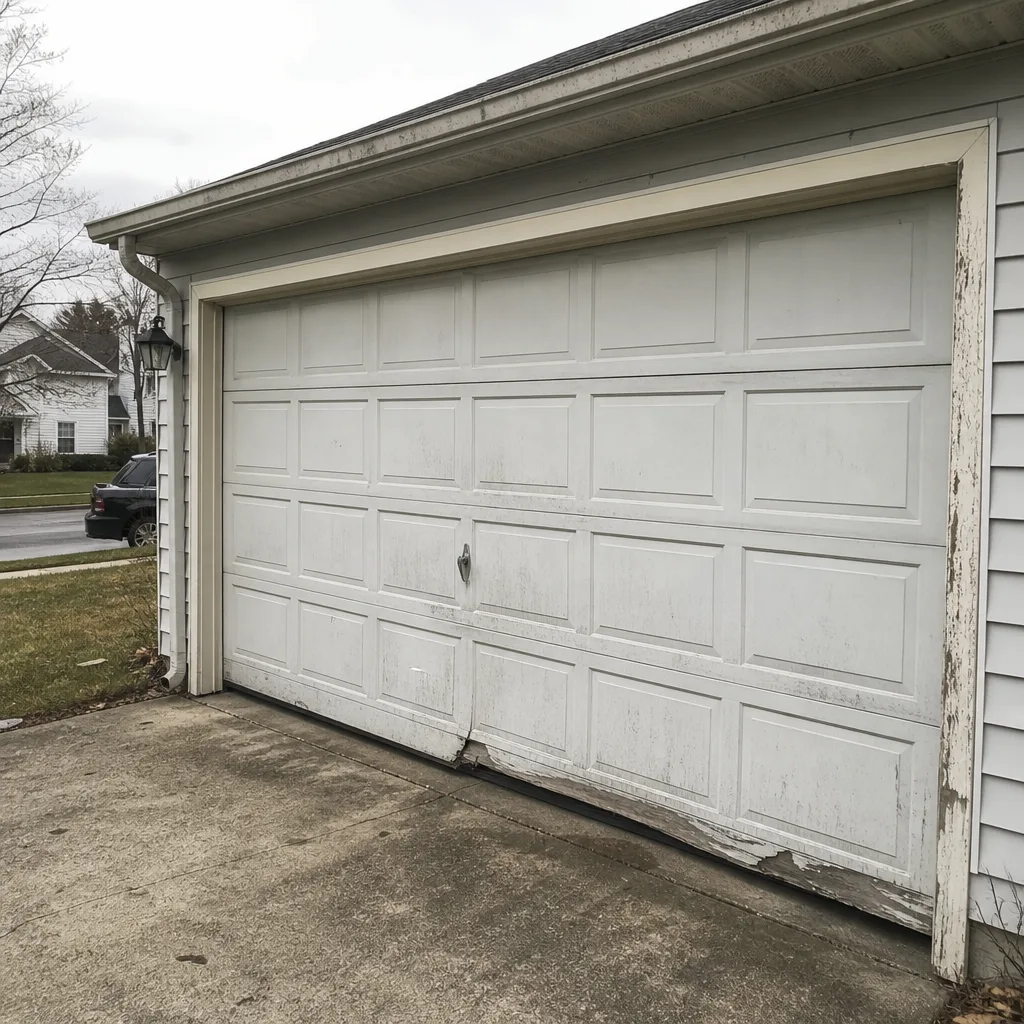 Before
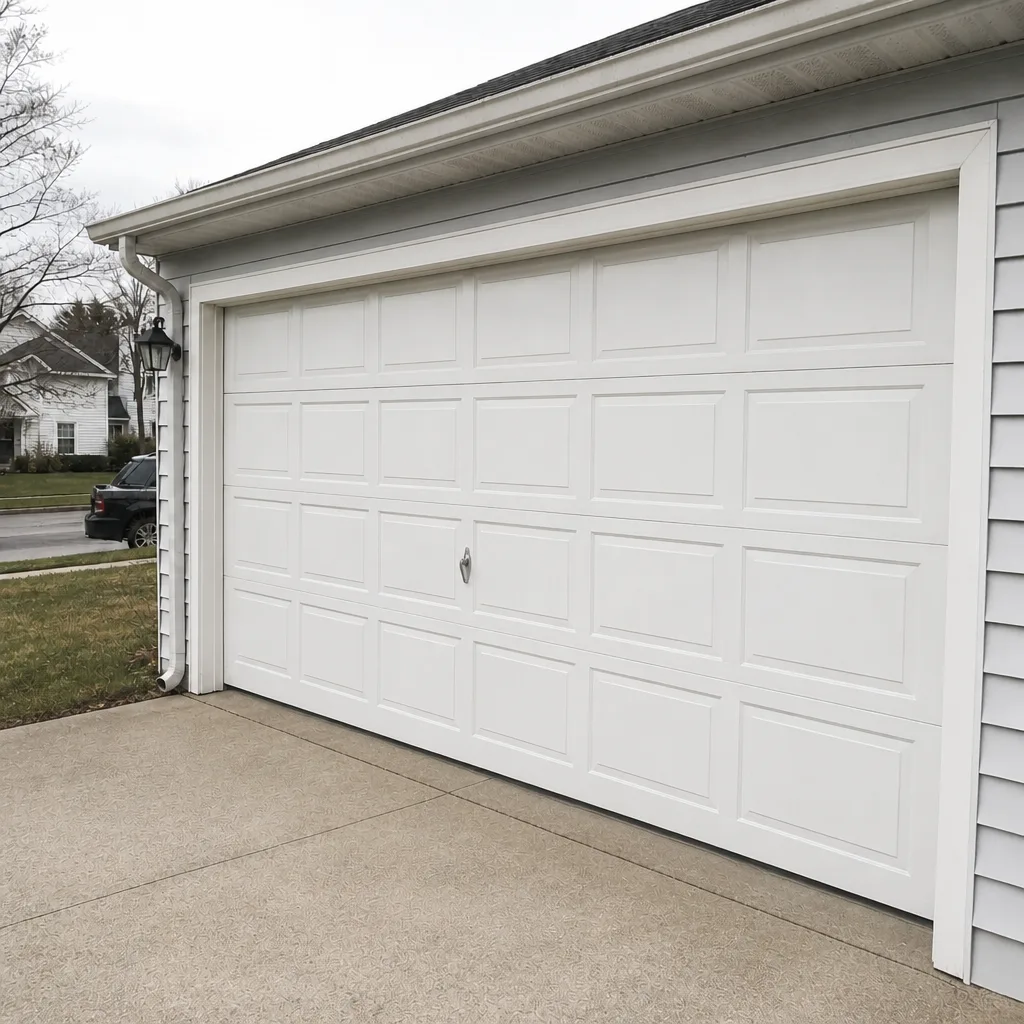 After
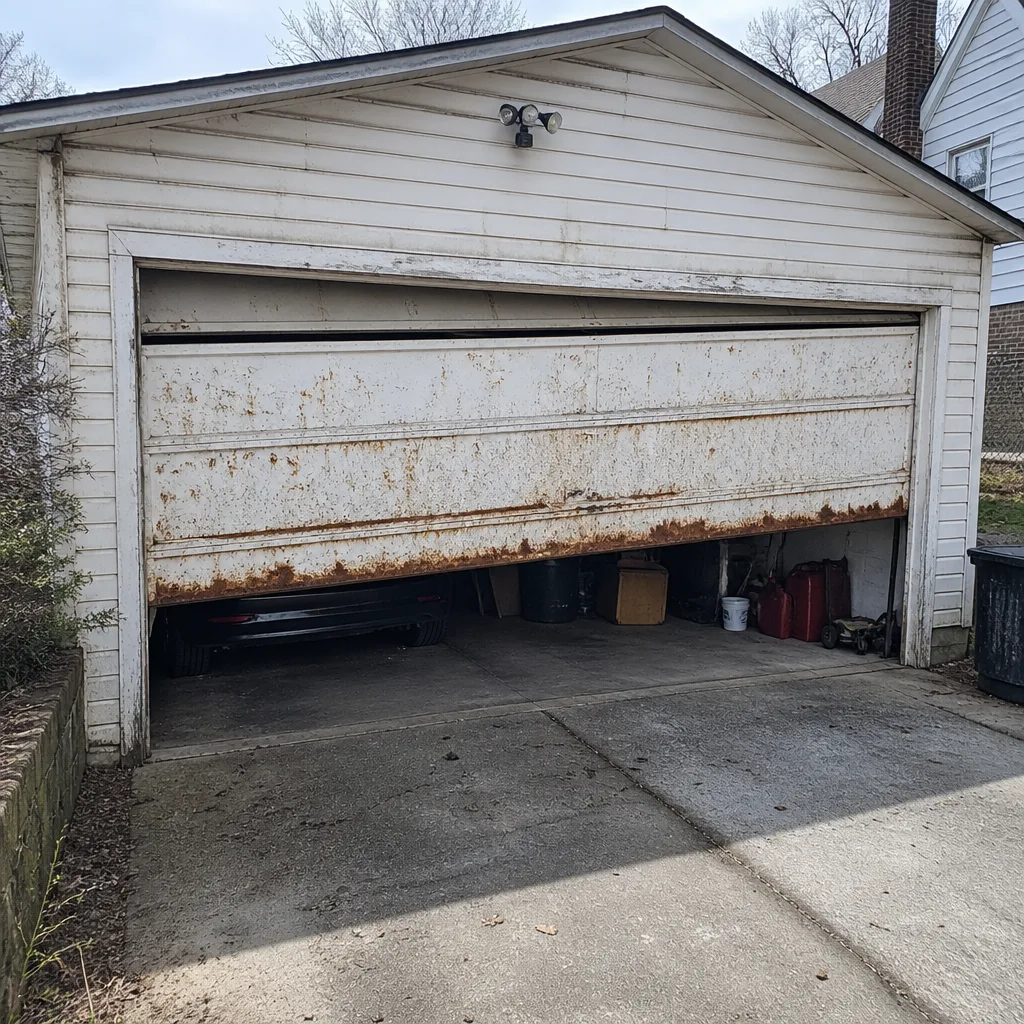 Before
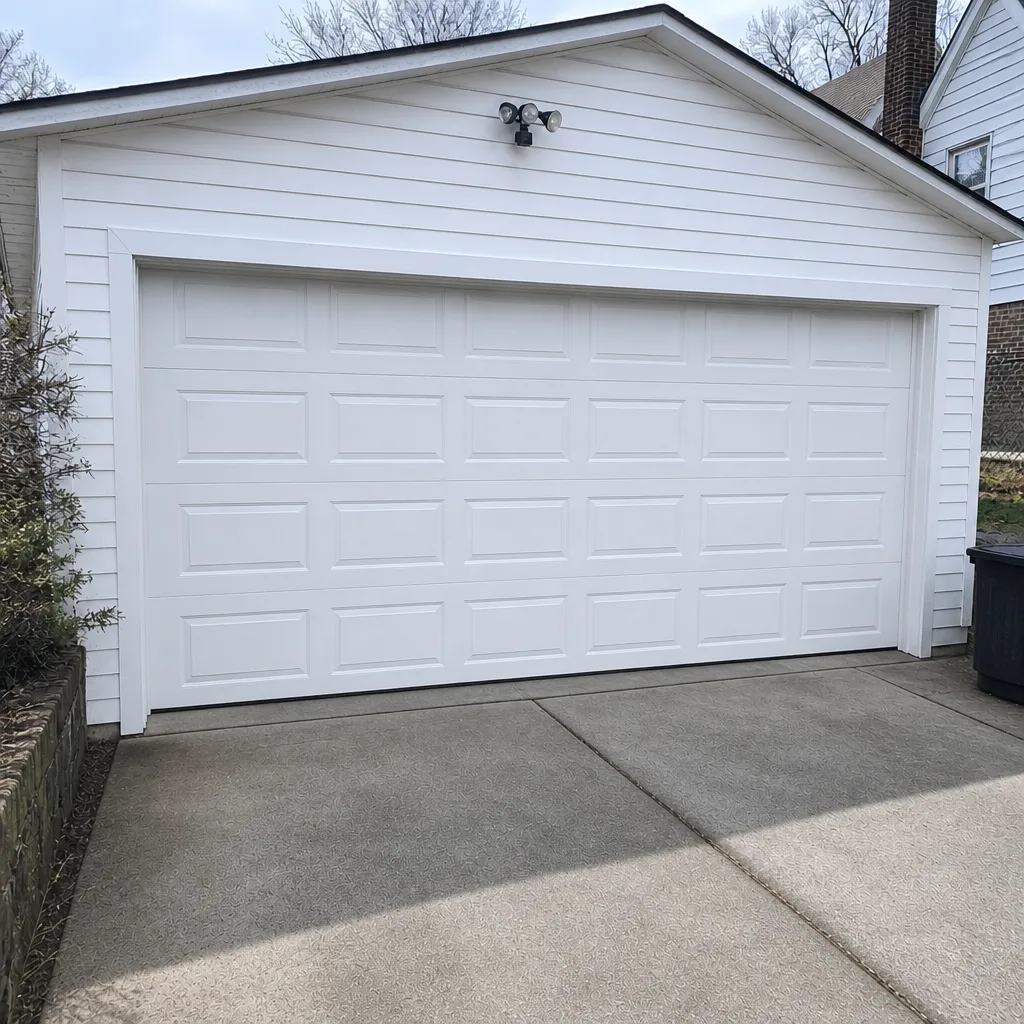 After
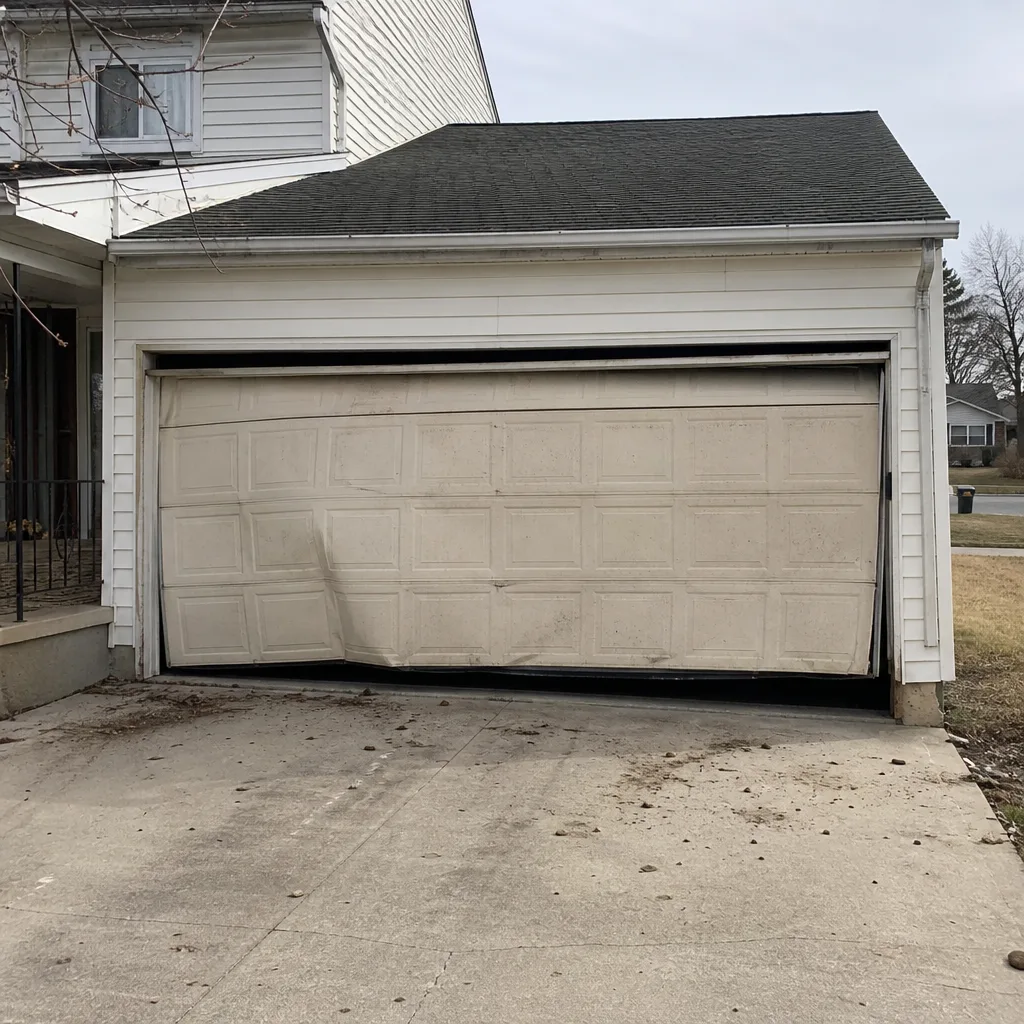 Before
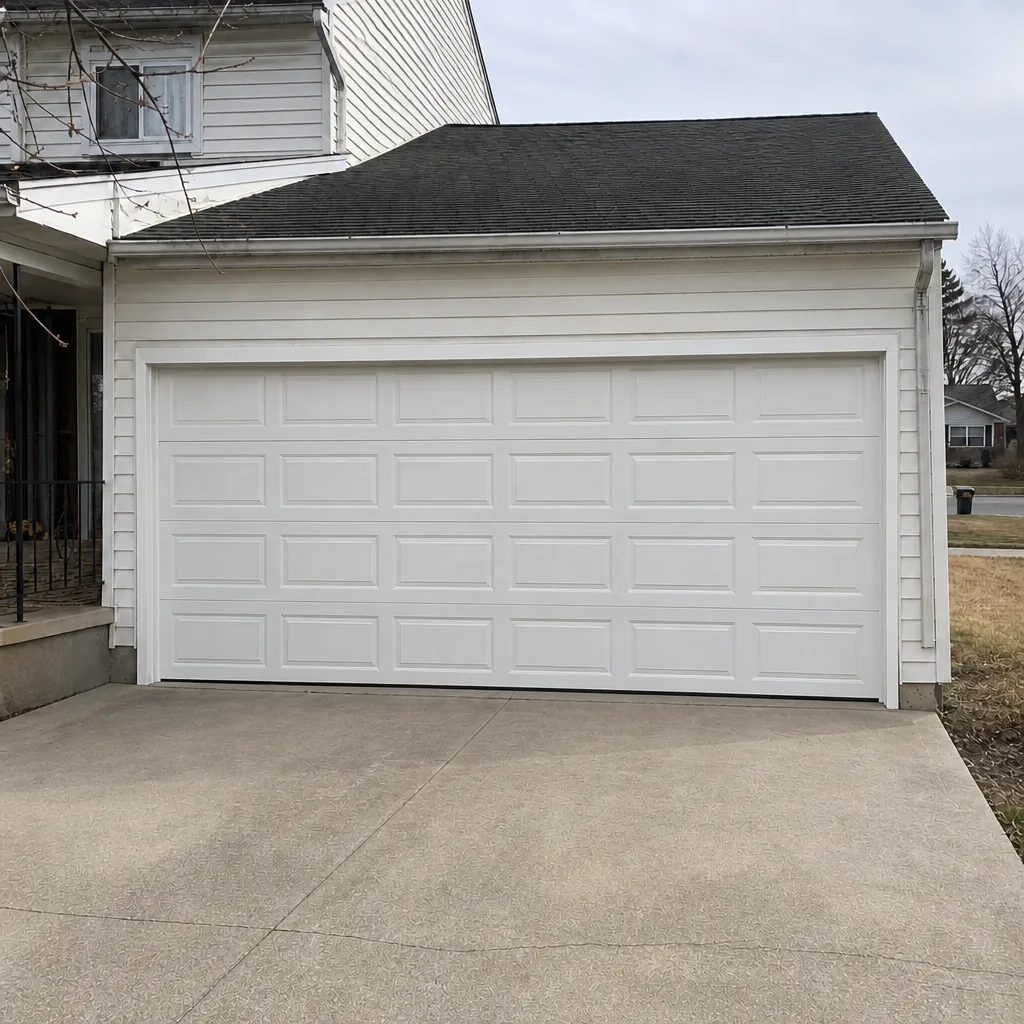 After
When to Call a Professional
You need a professional for anything involving springs, cables, tracks, or the door assembly itself. High-tension springs and cables are dangerous enough that even careful homeowners should not be near them. You also need a professional when a permit question is on the table, because a dedicated specialist handles the filing and inspection as part of the job. If your door failed a safety test, if a new opener won’t reverse properly, or if you’re planning a replacement and don’t know which permits are required, get a trained tech out to look at it before scheduling work. Garage Door Repair Somerton offers free estimates in Somerton – call (844) 992-2726. We answer 24/7, with fast dispatch from 7am to 7pm, Sunday through Friday, so a door that won’t open or won’t close isn’t something you have to wait on. The price is set per job by the written estimate, so you’ll know the cost before any work starts.
Frequently Asked Questions
In most cases yes, because garage door replacement is a structural change that falls under Pennsylvania’s UCC framework, though enforcement runs through your local code office. The municipality you’re in – City of Philadelphia or a home rule township – controls the actual permit process, so confirm with that office first. Call (844) 992-2726 for a free estimate on the work itself, and we’ll point you toward the right questions for your code office.
Usually not. Repairing a spring, cable, roller, or opener restores the door to working order rather than changing the assembly, so it typically falls outside the permit process. Even so, spring work is the most dangerous DIY task in the trade, and a trained technician should handle it. Call for a free estimate.
What if my contractor told me I don’t need a permit?
Ask your municipality’s code office directly before you let the work proceed, because the answer there is the one that counts. If the code office says a permit is required and the contractor says otherwise, that contractor is offering to shift the liability onto you. It’s a red flag worth listening to.
It can. An unpermitted replacement can surface during a buyer’s inspection or on the seller’s disclosure, which turns into a negotiation item and can add cost and delay. Retroactive permitting is sometimes possible, but it’s easier and cheaper to pull the permit up front and keep the paperwork. If you’re unsure where things stand, call and we’ll talk it through.
What safety features does a code-compliant install include?
A compliant install meets the auto-reverse and entrapment protection requirements, including correctly placed photo eye pairs and a door that reverses on contact. The door also has to be balanced and anchored per spec. These are the items an inspector tests first, and they’re built into every installation as a baseline.
Can you pull the permit for me?
A licensed contractor typically files on the homeowner’s behalf, and that’s part of the conversation we have before booking a job. We’re a garage door specialist, so we handle the questions a code office asks about door installation and safety devices. Call (844) 992-2726 for a free estimate and we’ll walk through the permit needs in your municipality.
Often it’s a gray area, and some municipalities treat an opener replacement as part of the door assembly while others treat it as a repair. What’s certain is that the new opener still has to meet entrapment protection requirements, and the existing door has to be able to auto-reverse. The safe move is to ask your code office and to have the safety devices checked on install.
The Bottom Line
Garage door permits in Pennsylvania come down to a simple sequence: the UCC sets the framework, the municipality enforces it, and the type of work determines whether paper has to be filed. Replacement usually needs a permit and a final safety inspection. Repairs usually don’t, but the safety requirements still apply to the door itself. The two things that trip people up are the city-versus-township jurisdiction question near Somerton and a contractor who skips the permit conversation. Confirm your jurisdiction, ask who pulls the permit, keep the paperwork, and confirm the safety devices before the job is called done. It’s a few questions now that save a lot of stress years later. When you’re ready to schedule, call (844) 992-2726 for a free estimate.
Written by the team at Garage Door Repair Somerton.