
Last updated November 21, 2026
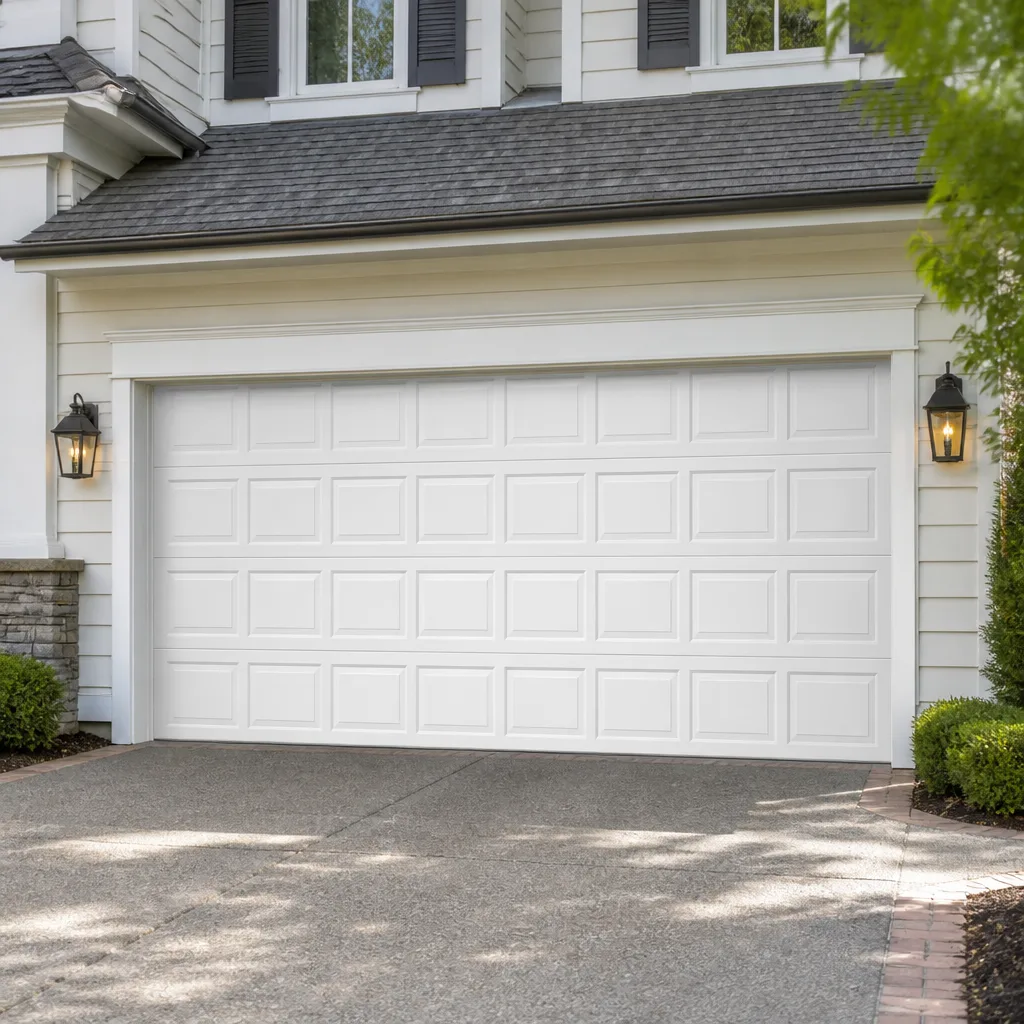 Raised-panel steel
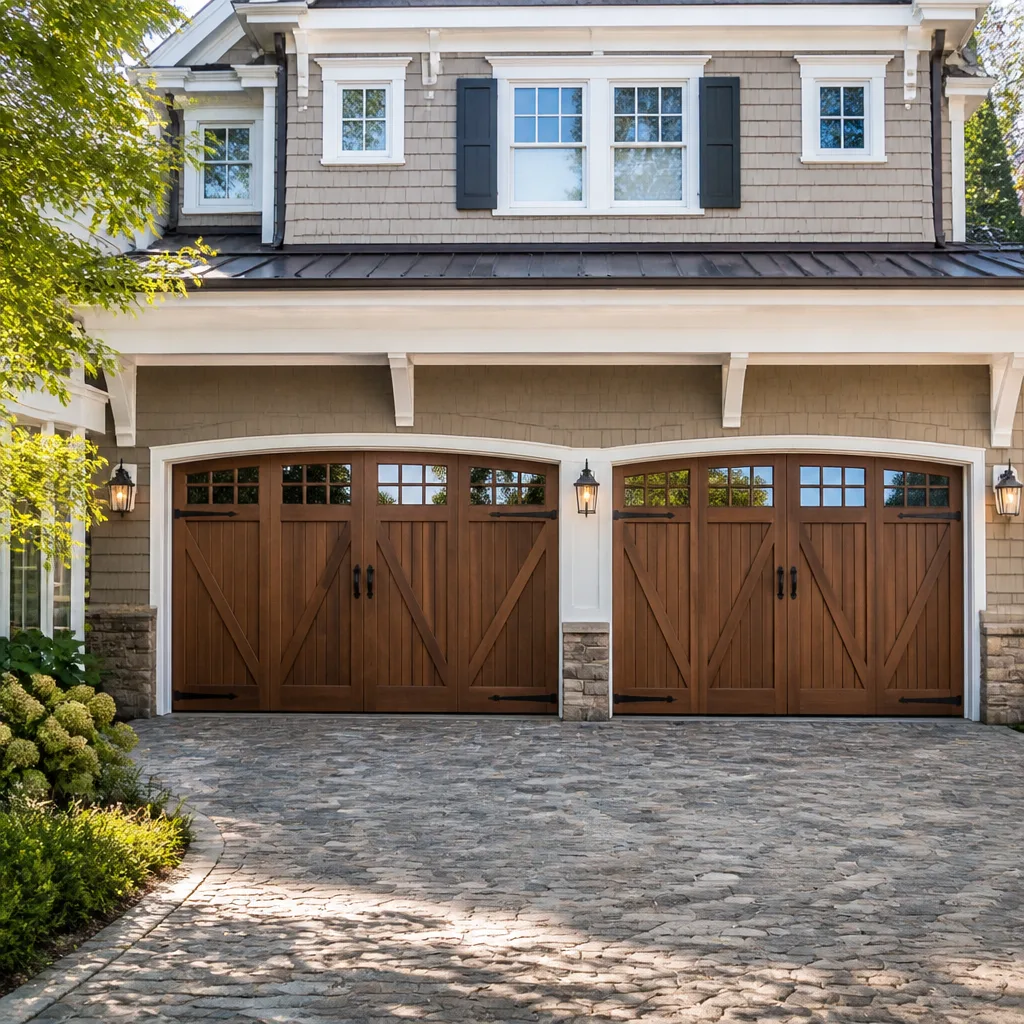 Carriage house
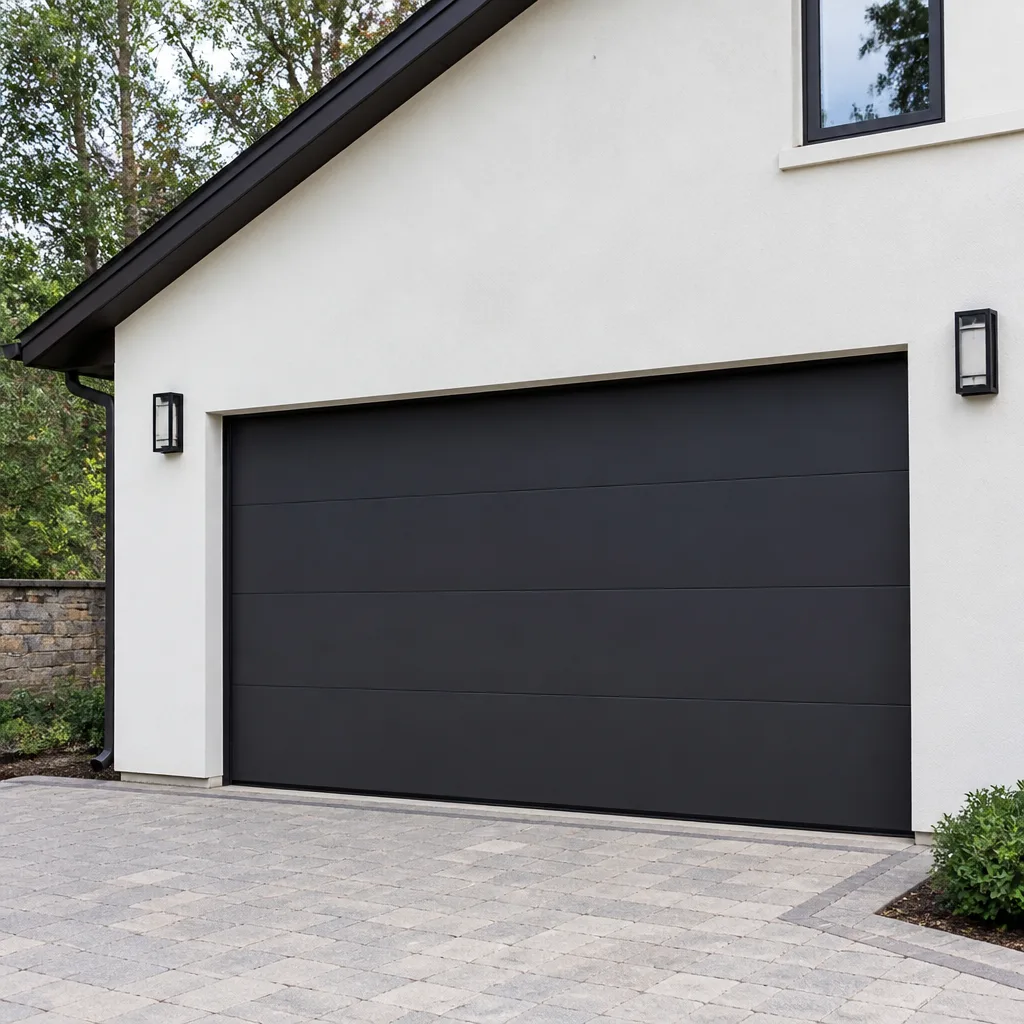 Modern flush
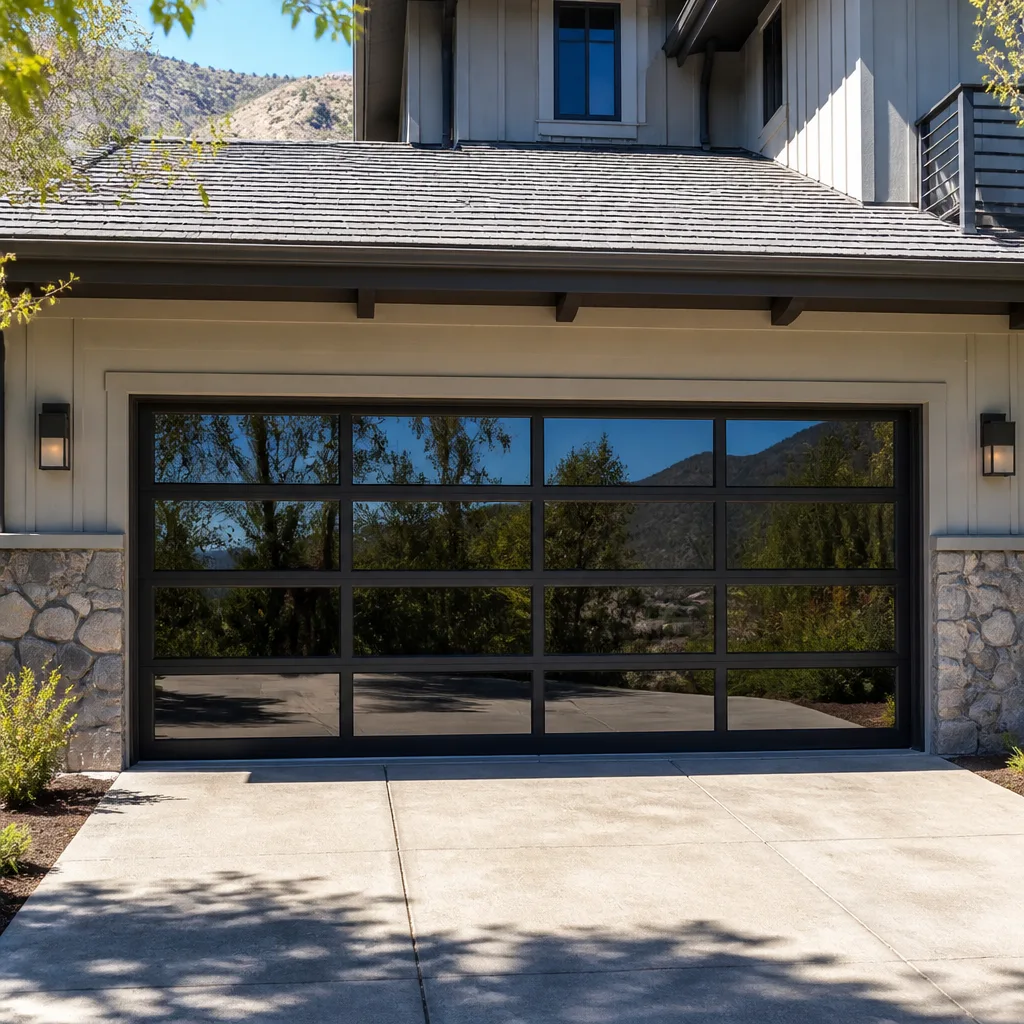 Full-view glass
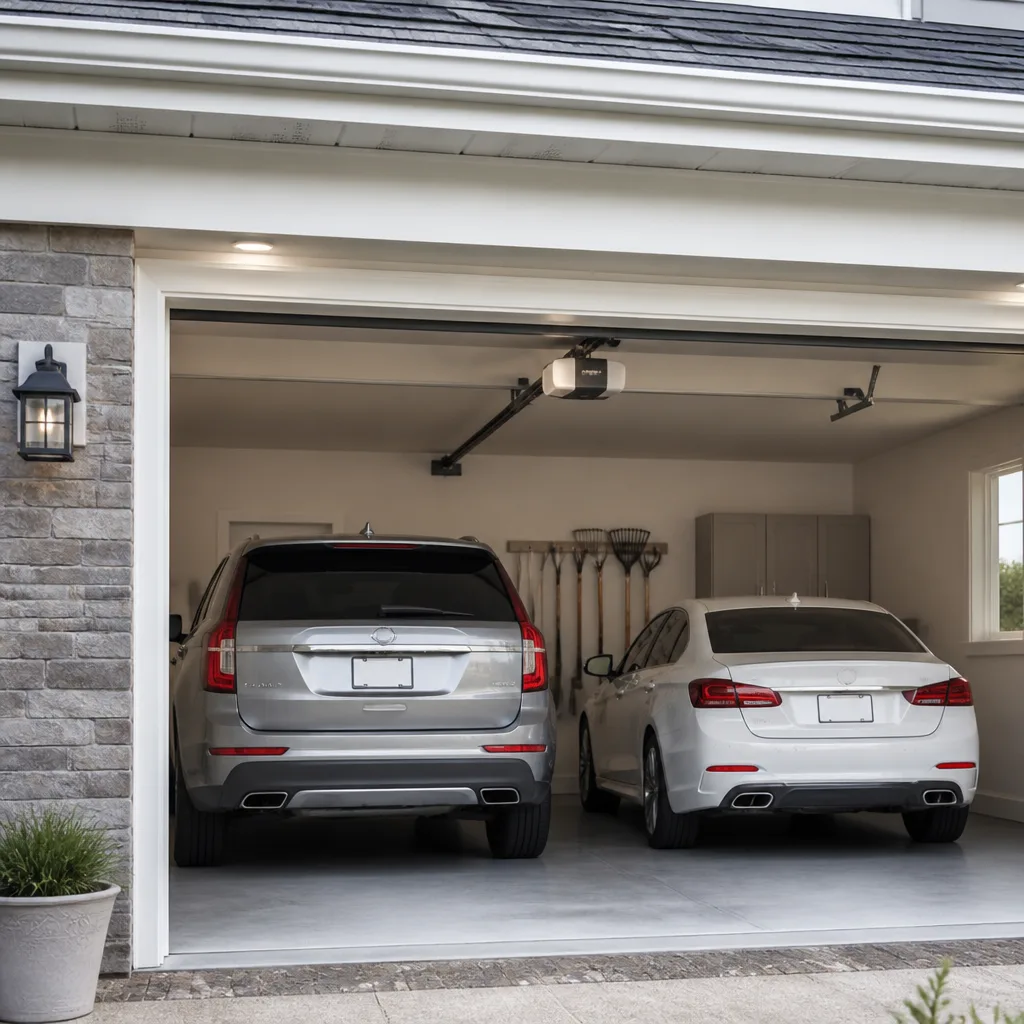 LiftMaster openers
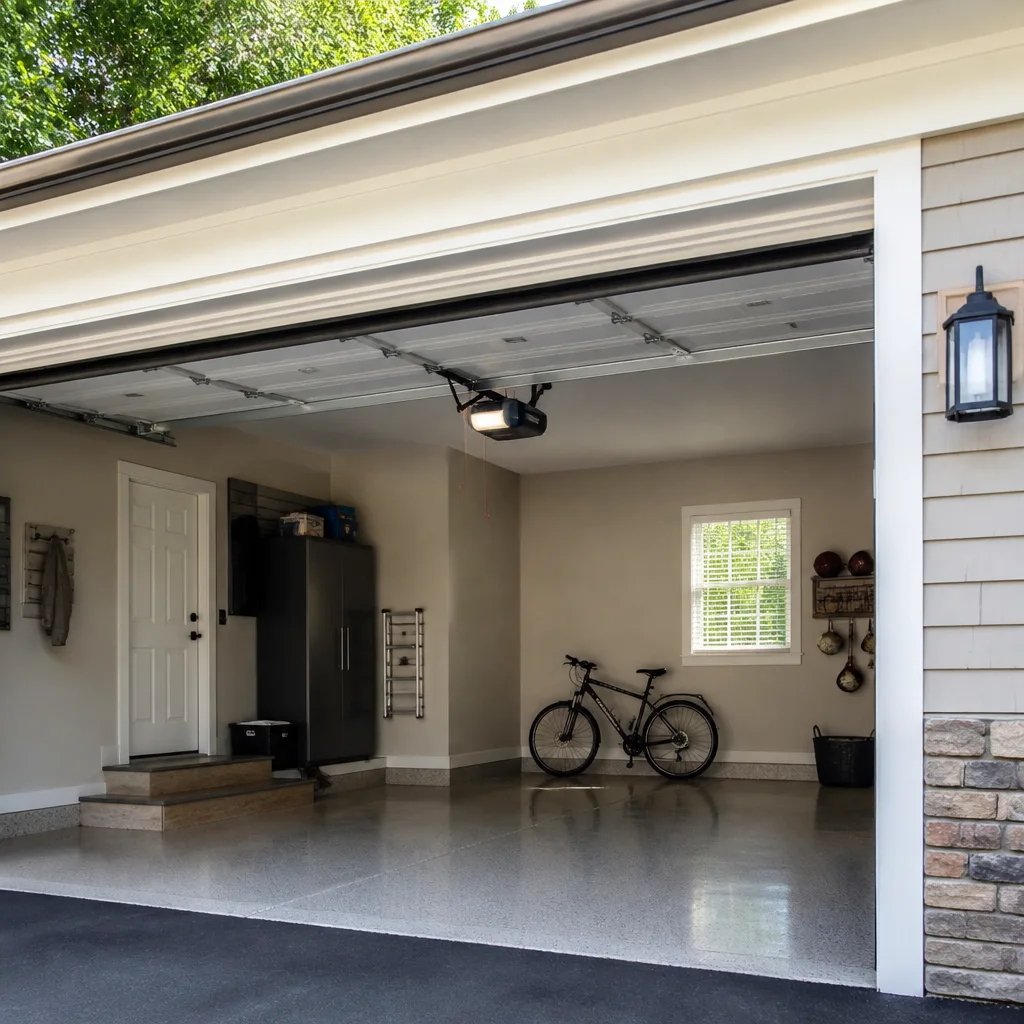 Chamberlain openers
Full 25-point door and opener safety check with every visit - springs, cables, rollers, tracks, and your LiftMaster or Chamberlain opener included
You get a price before we start. It does not change when the pro arrives.
Get your free estimateGarage Door Emergency Preparedness Guide for Somerton Homes
The manual release cord on your garage door opener is designed for one specific motion: a straight, vertical pull while the door is fully closed. Pull it at an angle, or pull it while the door is up, and the carriage can disconnect from the travel rail permanently. Now the door is stuck in the open position, the garage is exposed, and no amount of button-pressing will bring it back. That single mistake causes more overnight garage exposure than any broken spring. This guide walks through the scenarios Somerton homeowners actually face, with protocols you can follow before a technician arrives. We’ll cover power outages, snapped springs, doors stuck with a car inside, what to say when you call, and how to secure the opening in the meantime.
Quick Answer
A garage door emergency plan comes down to three things: knowing how to release the door safely (straight pull, door closed, then lift by hand), knowing how to secure the opening when the door can’t be trusted, and knowing what to tell a technician so the right parts come on the first visit. If a spring has broken or the door is jammed, don’t cycle the opener again. Call (844) 992-2726. We answer 24/7. Fast dispatch from 7am to 7pm, Sunday through Friday.
Styles & brands we work with
- Raised-panel steel
- Carriage house
- Modern flush
- Full-view glass
- LiftMaster openers
- Chamberlain openers
Table of Contents
- How the Manual Release Works, and the One Mistake That Breaks It
- When a Spring Breaks: Securing a Door You Can’t Trust
- Power Outage Protocol: Openers With and Without Battery Backup
- Door Stuck With Your Car Inside
- What to Tell a Technician When You Call
- Temporary Security for a Door Stuck Open Overnight
- How Somerton Conditions Affect Garage Door Emergencies
- Building Your Emergency Kit and Prevention Routine
How the Manual Release Works, and the One Mistake That Breaks It
The manual release exists so a person can operate the door by hand when the opener has no power or has failed. On a standard trolley-style opener, a cord hangs from the carriage that rides the rail. Pulling that cord straight down releases the carriage from the chain or belt, and the door then moves freely by hand. That is the whole design. It is a single-purpose mechanism, and it rewards careful use.
The mistake we see most often is an angled pull. If you stand off to the side and yank the cord diagonally, the release lever can flip past its travel and jam. Sometimes the carriage re-engages at a bad point on the rail. Sometimes the lever bends and the carriage won’t reconnect at all, even after power returns. The door is then free-floating on its tracks with nothing holding it in the closed position except gravity.
Here’s the sequence that keeps the mechanism intact:
- Close the door first if it’s safe to move. The release is designed to be pulled with the door down and the spring tension balanced.
- Stand directly under the carriage. Not to the side. Directly below the point where the cord hangs.
- Pull straight down in one calm motion. No jerking, no angle.
- Lift the door by hand from the bottom panel, using the handle or a firm grip on the frame. A properly balanced door should lift with modest effort.
- Prop or secure the door before you walk away. A released door does not stay up on its own.
If the cord won’t pull, or pulls but the door still won’t move, the opener isn’t the problem. Something in the door itself has failed. Stop and call for Garage Door Repair Somerton rather than forcing it. A door that’s fighting you is telling you something.
When a Spring Breaks: Securing a Door You Can’t Trust
A torsion spring breaking sounds like a gunshot from inside the garage, and it usually happens when the door is down. The door then becomes extremely heavy, often too heavy for one person to lift safely. It also loses the counterbalance that keeps it from slamming. This is the moment to stop operating the door entirely.
Never re-engage the opener after a spring breaks. The motor will strain against a door it can’t lift, and on some units it will burn out the gear assembly or pull the door arm loose. Worse, if the door is partially up when the spring goes, the door can drop. Keep people and pets out from under it.
Securing the door depends on which position it’s in:
- Door fully closed: This is the safe state. Leave it closed. Lock it if your door has a manual lock, and treat the garage as sealed until repair. Your car stays inside or stays out, whichever it already is.
- Door fully open: Do not try to lower it by hand unless two adults can control the weight. Instead, brace it. C-clamps clamped on the vertical tracks just above the bottom roller on each side will stop the door from rolling down. If you don’t have clamps, a sturdy piece of lumber wedged under the bottom section against the floor helps, but it is not a substitute for clamping the tracks.
- Door halfway: The most dangerous position. Do not stand under it and do not try to push it either direction alone. Clamp both tracks at the current height with whatever you have, keep everyone clear, and call.
We work on the brand you already own, including Amarr and Wayne Dalton doors that are common on Somerton homes. Brand matters for spring repair because the wire gauge, drum style, and winding configuration differ between manufacturers. Telling the technician the brand and model when you call saves a trip.
Power Outage Protocol: Openers With and Without Battery Backup
Most openers installed before the last decade have no battery backup. When the power goes out, the door simply won’t move under motor power. Openers from LiftMaster, Chamberlain, and Genie built in recent years often include a backup battery that keeps the door cycling for a limited number of open-close cycles. Knowing which type you have before an outage saves a lot of fumbling in the dark.
Check now, not during the next storm. Look at the opener housing on the ceiling. A battery backup unit will have a battery compartment or a small battery indicator light. If you’re not sure, the model number on the label tells you. Older Craftsman units, in particular, are almost always power-dependent with no backup.
During an outage:
- With battery backup: Try the wall button or remote first. If the door cycles normally, use it sparingly to preserve battery. Most backup systems handle a limited number of cycles before the battery needs recharging.
- Without battery backup: Use the manual release. Close the door first if it’s up, pull the cord straight down, lift by hand, and secure the door in the position you need.
- Either way: Once you’ve released the carriage, don’t try to re-engage it until power is back. Running the opener with the carriage disconnected can cause the trolley to travel past its limits.
- Reconnecting after power returns: Run the opener once and let the carriage pick up the door arm as it travels. If it doesn’t catch, the release lever is stuck and needs a technician.
If the opener is dead but the power is on, that’s a different problem. That’s an opener failure, and it falls under garage door opener repair rather than an outage protocol. We diagnose by brand logic, so a Genie with a logic board fault gets handled differently than a LiftMaster with a travel-limit problem.
Door Stuck With Your Car Inside
This is the scenario that turns a repair into a scheduling problem. If the door won’t open and your car is trapped, you have two paths: get the door open manually, or get the car out another way. Which one you choose depends on what failed.
If the opener has power but won’t move the door, the door itself is likely jammed or the spring has failed. Manual release won’t help if the door is bound in the tracks. Don’t force it. Forcing a bound door bends panels and can pull the track off the wall.
If the opener has no power, manual release is your path. Close is not an option if the car is inside, so the sequence changes slightly: pull the cord straight down with the door in whatever position it’s in, then lift by hand. This is harder with the door down because you’re lifting from a dead stop, but a balanced door will move. If it won’t budge, the spring has probably failed too.
What to do while you wait:
- Move the car as close to the door as you can so it’s ready to pull out the moment the door opens.
- Clear the driveway so a technician’s vehicle can get close to the garage.
- If you have a second vehicle outside, use it. Don’t wait on the repair if you have somewhere to be.
- Tell the dispatcher the car is inside when you call. It changes the priority and the tools the technician brings.
When it won’t open and you can’t wait, call us. We treat trapped-vehicle calls as urgent. We answer 24/7. Fast dispatch from 7am to 7pm, Sunday through Friday.
What to Tell a Technician When You Call
The difference between a one-visit repair and a two-visit repair is usually the phone call. Symptom vocabulary matters. “It’s broken” tells us nothing. “The door goes up about a foot then reverses” tells us it’s a travel-limit or safety-sensor problem, and we bring the right parts.
Here’s what to have ready before you dial:
- The door’s behavior. Won’t move at all? Moves a few inches and stops? Goes up fine but won’t come down? Opens partway then reverses?
- The sound. A bang from the garage usually means a spring. A grinding noise points to rollers or bearings. A clicking with no movement suggests the opener’s gear or capacitor.
- The opener brand and model. LiftMaster, Chamberlain, Genie, and Craftsman are the four we see most on Somerton openers, but Raynor units show up too. The model number is on a label under the light cover.
- The door brand. Amarr, Wayne Dalton, Clopay, and Raynor are the common door manufacturers here. Panel and hardware compatibility depends on it.
- Whether the door is open, closed, or stuck partway. This determines urgency and safety advice.
- Whether a car is trapped inside.
- What you’ve already tried. If you’ve pulled the manual release, say so. A disconnected carriage changes the diagnosis.
If you can, take a photo of the opener label and the door from inside the garage, and have it ready. Not every dispatcher needs it, but it speeds things up if the technician has questions. Our technicians have up to 14 years of experience, and they’ll ask follow-up questions based on the brand. Answer them as specifically as you can.
Temporary Security for a Door Stuck Open Overnight
A door stuck open is a security problem first and a repair problem second. You need the opening covered before you sleep, and you need it done without tools if you don’t have any. Here are realistic options, ranked by how well they work.
- Lower the door by hand if it’s safe. If the spring is intact and the door is only stuck because the opener failed, releasing the carriage and lowering the door by hand solves the problem entirely. Two adults, controlled descent, and clamp the tracks once it’s down.
- Park a vehicle close to the opening. Back a car up to within a foot of the door frame, angled so it blocks the opening. It won’t stop a determined person, but it removes the easy walk-in.
- Brace the door down with lumber. If the door is up and you can’t lower it, cut or find a length of 2×4 and wedge it between the bottom of the door and the floor at an angle. This holds the door in the open position and prevents it from dropping, but it doesn’t secure the opening.
- Use a bar or brace across the tracks. A broom handle or similar rod threaded through the track holes above the bottom roller will keep the door from dropping further. This is a safety measure, not a security one.
- String a motion light or a portable light toward the opening. Light deters casual intrusion. If you have a battery-powered work light or a rechargeable lantern, aim it at the opening from inside.
- Move valuables out of the garage. If the opening can’t be secured, the contents shouldn’t be visible or accessible. This is the practical move most people skip.
None of these are permanent fixes. They buy you a night. Calling for garage door repair the same day is what actually resolves it. A door stuck open in Somerton during a cold snap also risks frozen hinges and stiff rollers by morning, which adds to the repair.
How Somerton Conditions Affect Garage Door Emergencies
Somerton’s climate is hard on garage doors in specific ways. Summer heat expands the metal tracks and can cause a door that ran smoothly in spring to bind in July. The expansion pushes the track out of plumb, the rollers start to drag, and the opener works harder until something gives. Winter cold does the opposite. Metal contracts, lubricant thickens, and the spring steel gets brittle. A spring that’s near the end of its cycle life is more likely to snap on the first cold morning than on a mild day.
Somerton’s housing stock matters too. Many homes here have attached garages that face the street, which means the garage door is the most visible part of the house. A door stuck open isn’t just an access issue; it’s the first thing the whole block sees. That raises the urgency of getting it closed or covered quickly.
Seasonal checks that pay off here:
- Lubricate rollers, hinges, and the spring with a garage-door-specific lubricant before the first cold snap and again before summer heat.
- Test the auto-reverse safety feature monthly by placing a roll of paper towels in the door’s path. If the door doesn’t reverse on contact, the opener needs adjustment.
- Listen for changes in sound. A door that gets louder over a few weeks is telling you a roller or bearing is failing.
- Look at the spring. If it’s showing gaps or a visible break, stop using the door and call.
If your door is beyond adjustment and you’re weighing replacement, garage door installation is a scheduled job with a free measure and a written price, not an emergency call. That’s the time to plan rather than react.
Building Your Emergency Kit and Prevention Routine
Most garage door emergencies are survivable with a small kit and a short routine. You don’t need a toolbox full of specialty gear. You need the right handful of items in one place, and a habit of checking the door before it checks you.
What to keep in the garage, in one spot:
- Two C-clamps sized to your vertical tracks (a 3-inch clamp fits most residential track).
- A flashlight with fresh batteries, stored where you can reach it without opening the door.
- A length of 2×4 lumber, at least 4 feet.
- A copy of your opener manual, or a photo of the model label on your phone.
- The phone number for a garage door specialist, written down and not just saved in your phone.
A prevention routine that takes five minutes a month:
- Open and close the door once and listen. Any new grinding, scraping, or popping is worth investigating.
- Check the spring for gaps or a visible break at the coil.
- Test the safety reverse with an object in the path.
- Look at the tracks. Are they straight? Any dents or bends?
- Check the manual release cord. Is it hanging free, or has it tangled in the rail?
If anything in that list fails, address it before it becomes an emergency. A dragging roller replaced on a normal day is a small job. The same roller failing on a Sunday morning with the car inside is a different situation entirely. One call covers it, from a spring adjustment now to a full door replacement years from now.
Common Mistakes to Avoid
- Pulling the release cord at an angle. This is the single most common cause of a permanently disconnected carriage. Stand directly under it and pull straight down. If you’re not lined up, move your feet first.
- Cycling the opener after a spring breaks. The motor will strain against a door it can’t lift and can damage the gear assembly or pull the door arm loose. Stop using the opener the moment you hear the bang.
- Standing under a door that’s stuck partway. A door in the middle of its travel with compromised spring tension can drop without warning. Clamp the tracks before you do anything else.
- Forcing a bound door. If the door won’t move by hand after releasing the carriage, something is jammed in the track. Forcing it bends panels and pulls tracks off the wall, turning a repair into a replacement.
- Telling the dispatcher “it’s broken” and nothing else. Symptom vocabulary gets the right parts on the first visit. Have the door brand, opener brand, and the specific behavior ready before you call.
- Assuming a power outage means a dead door. Many newer openers from LiftMaster and Chamberlain have battery backup. Check the housing before you reach for the release cord.
- Skipping the monthly safety reverse test. A door that won’t reverse on contact is a hazard. It’s a five-second check that prevents a serious problem.
See the difference
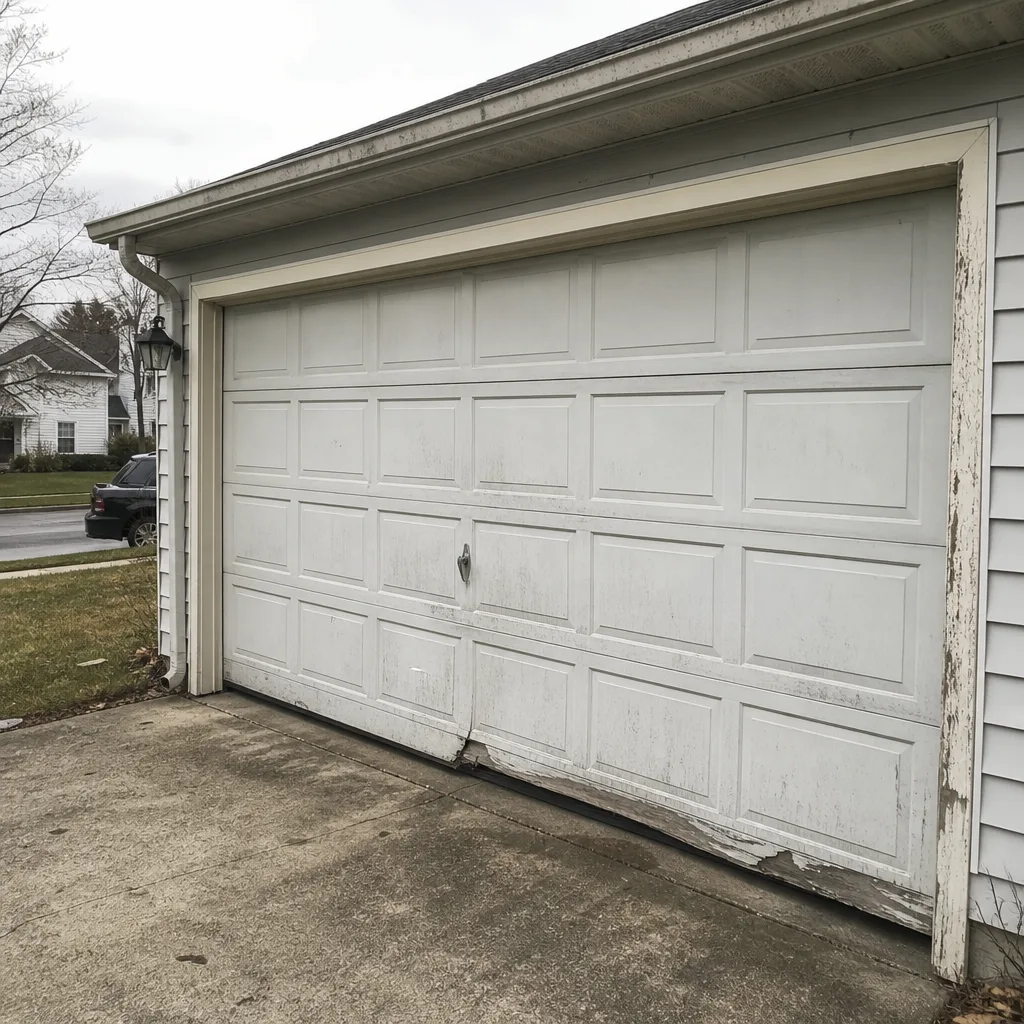 Before
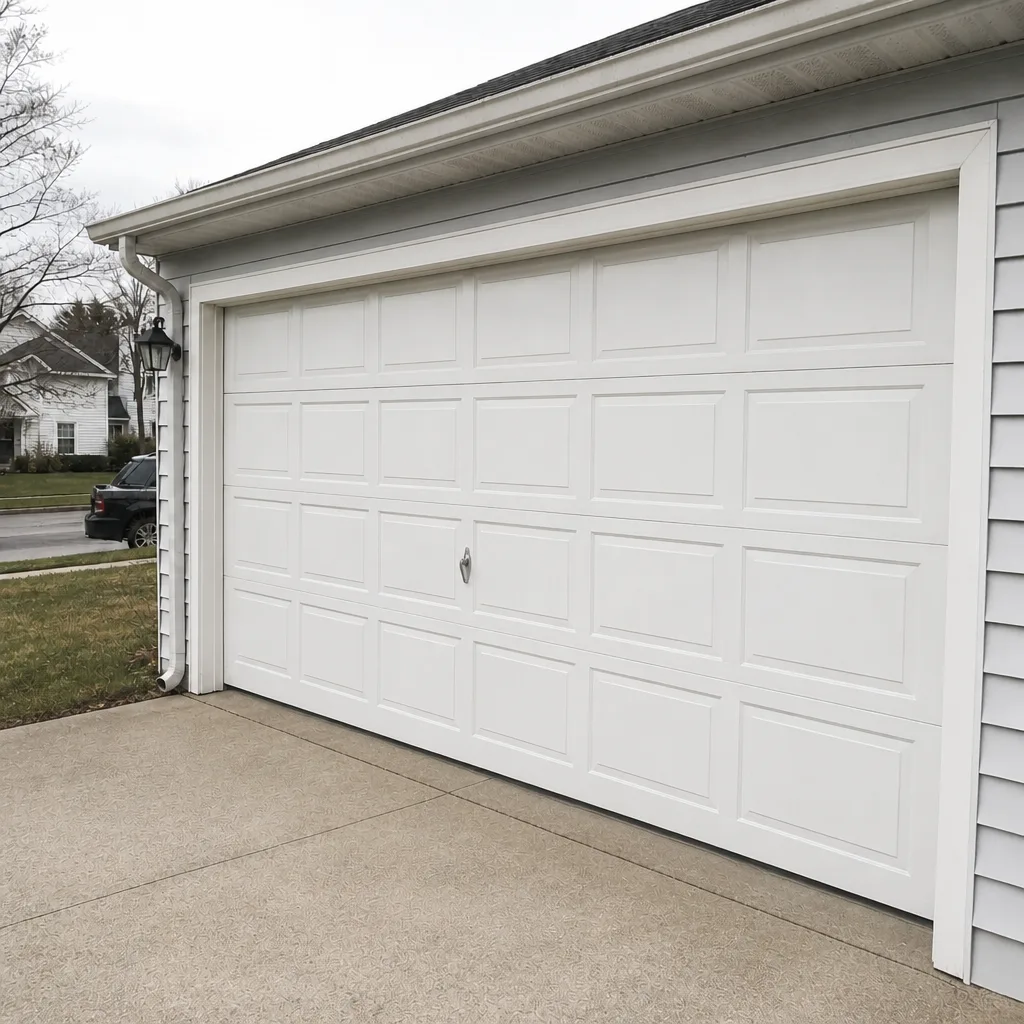 After
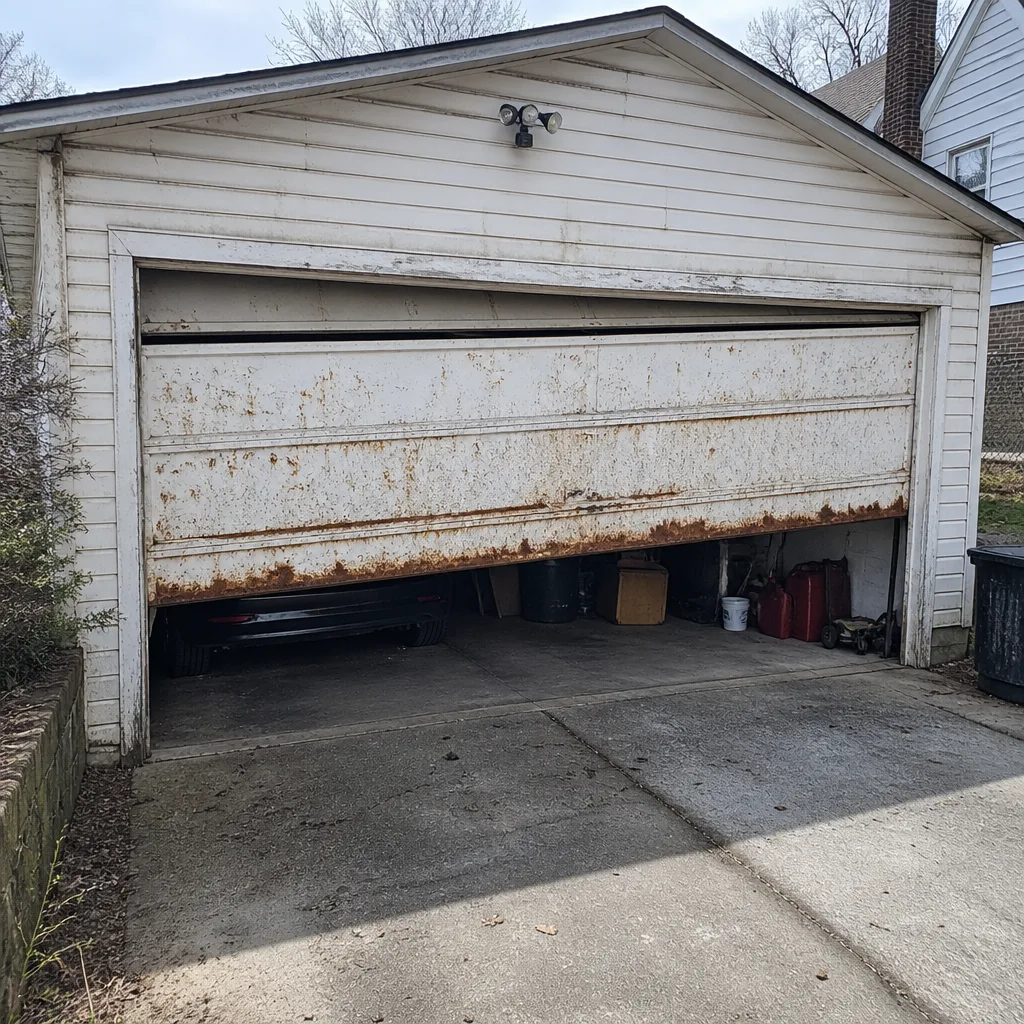 Before
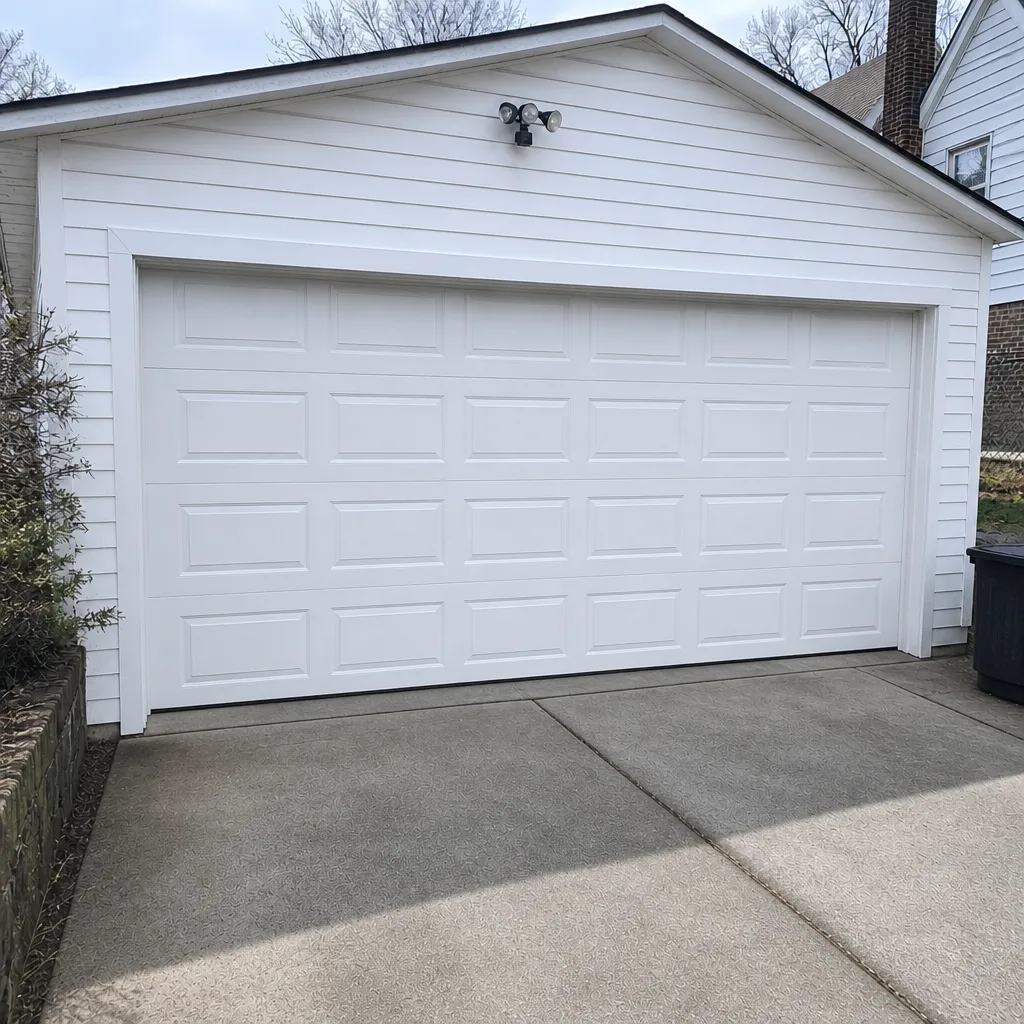 After
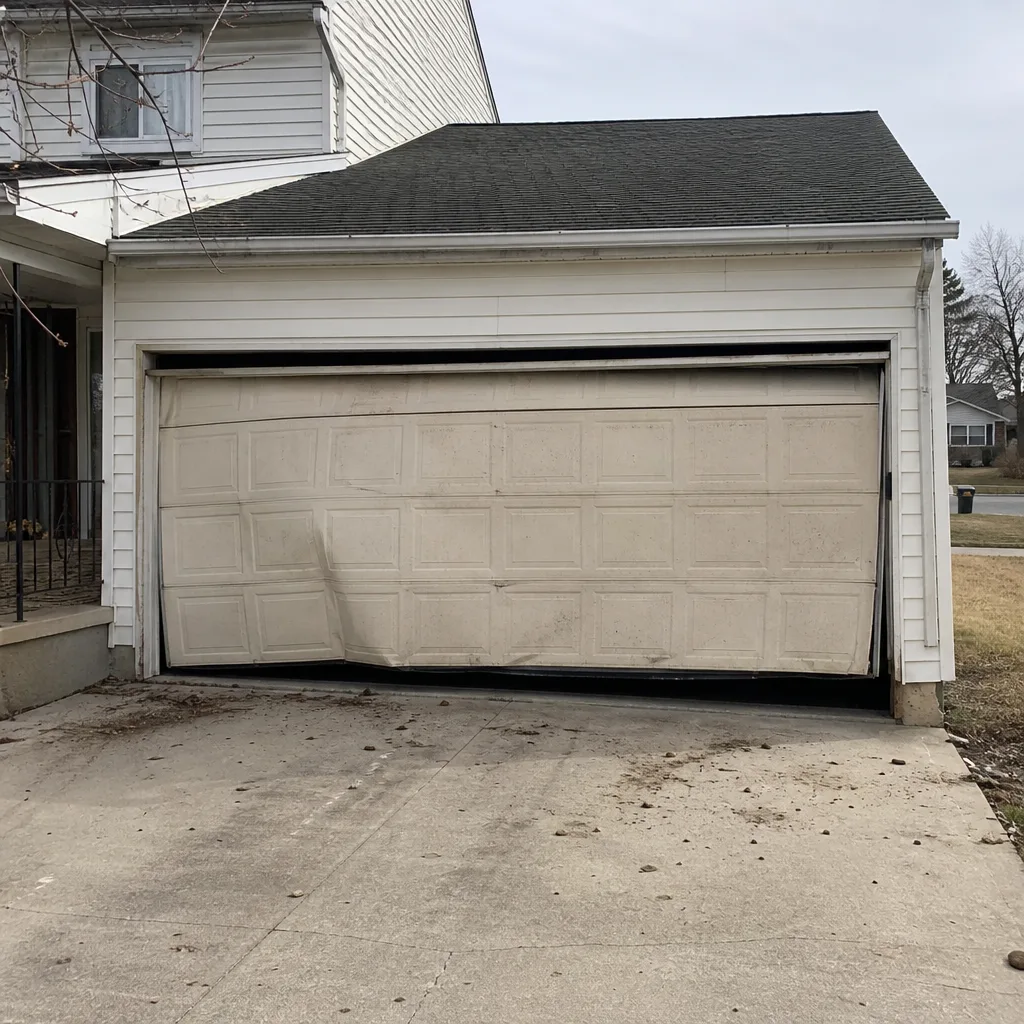 Before
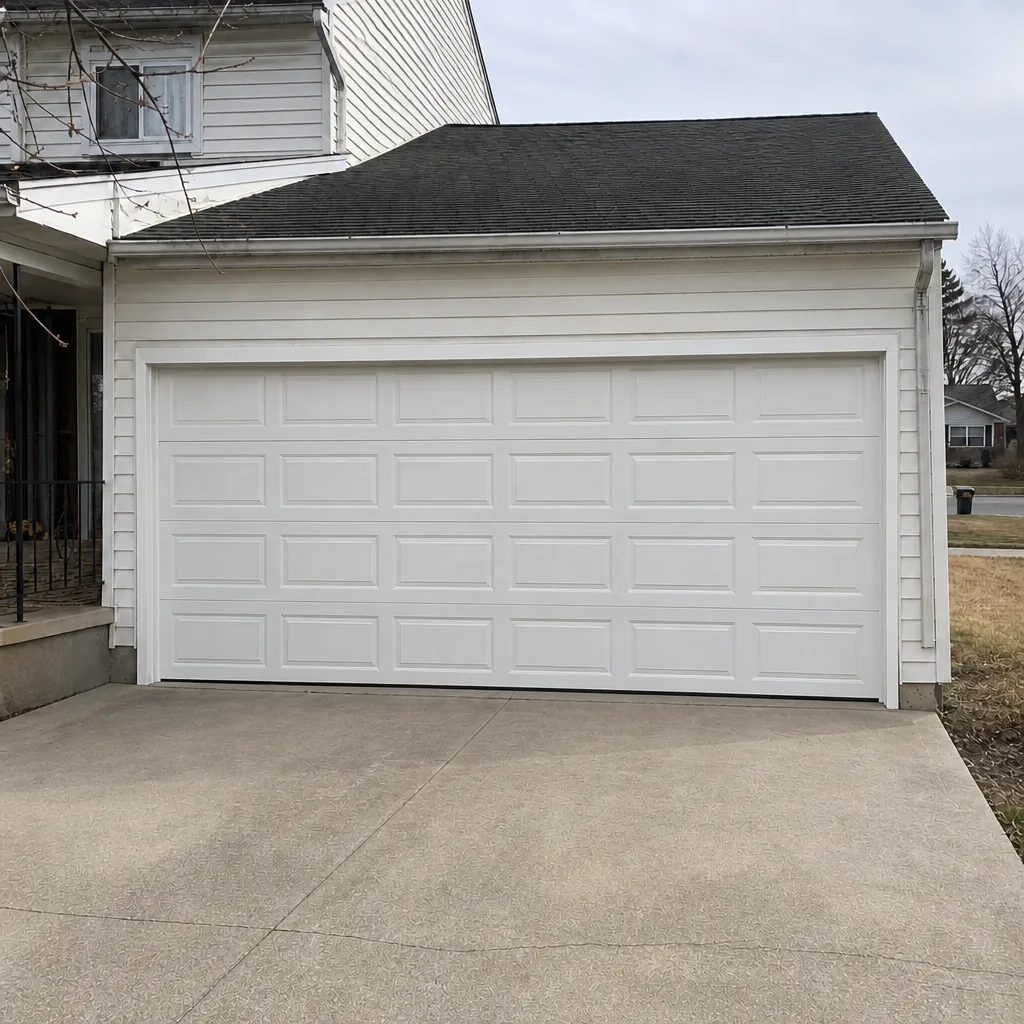 After
When to Call a Professional
Call a professional when the door won’t move by hand after a proper manual release, when you hear a spring break, when the door is stuck partway, when a car is trapped inside, or when the opener runs but the door doesn’t. Call when you see a gap in the spring coil or a bent track. Call when the door reverses for no reason or the safety sensors won’t stay aligned.
Don’t call for a routine adjustment you can handle with lubricant and a listen. DO call before you touch the torsion spring or the cables. Those carry enough tension to cause serious injury, and no homeowner should be winding or unwinding them. That work needs a trained technician with the right winding bars and the experience to know when a spring has more life in it and when it doesn’t.
Garage Door Repair Somerton offers free estimates in Somerton. Call (844) 992-2726. We answer 24/7. Fast dispatch from 7am to 7pm, Sunday through Friday. The price is quoted and agreed before any work starts.
Frequently Asked Questions
Spring repair in Somerton typically runs in the range of a single-spring replacement, and a matched pair costs roughly twice that because both springs are usually replaced together. The exact price depends on the spring size, door weight, and whether the drum or cable needs attention. The written estimate sets the final price, and it’s agreed before any work starts. Call (844) 992-2726 for an exact quote. Estimates are free.
Yes, same-day service is available for stuck doors, broken springs, and trapped-vehicle situations. We answer 24/7, and dispatch runs 7am to 7pm, Sunday through Friday. A call outside those hours is booked into the next opening. Call (844) 992-2726 and tell us whether a car is inside.
No. The price is quoted and agreed before any work starts. If we find something additional during the repair, we stop and talk to you before doing anything that changes the price. You approve the number first. Call (844) 992-2726 for a free estimate.
The local professional we connect you with is licensed and insured as their state requires. Our technicians have up to 14 years of experience and work on garage doors exclusively, including LiftMaster, Chamberlain, Genie, Clopay, Amarr, Wayne Dalton, Craftsman, and Raynor. Call (844) 992-2726 to book an estimate.
Lower the door by hand if it’s safe, or block the opening with a vehicle and move valuables out of the garage if it isn’t. Clamp the tracks above the bottom roller so the door can’t drop further. Then call for same-day repair. We answer 24/7 at (844) 992-2726. Fast dispatch from 7am to 7pm, Sunday through Friday.
No. Torsion springs are under extreme tension, and the winding process requires specific tools and training. A spring that releases during a DIY attempt can cause serious injury. This is a job for a trained technician. Call (844) 992-2726 for spring repair.
The Bottom Line
Your garage door emergency plan is three skills: release the carriage correctly (straight pull, door closed if possible), secure the opening when the door can’t be trusted, and describe the symptom clearly when you call. Keep two C-clamps, a flashlight, a length of 2×4, and a phone number in the garage. Check the spring and the safety reverse once a month. Know which opener you have and whether it has battery backup. And never touch the torsion spring or cables. When the door won’t open and you can’t wait, call (844) 992-2726. We answer 24/7. Fast dispatch from 7am to 7pm, Sunday through Friday. Free estimates, and the price is agreed before work starts.
Written by the team at Garage Door Repair Somerton.