
Last updated November 21, 2026
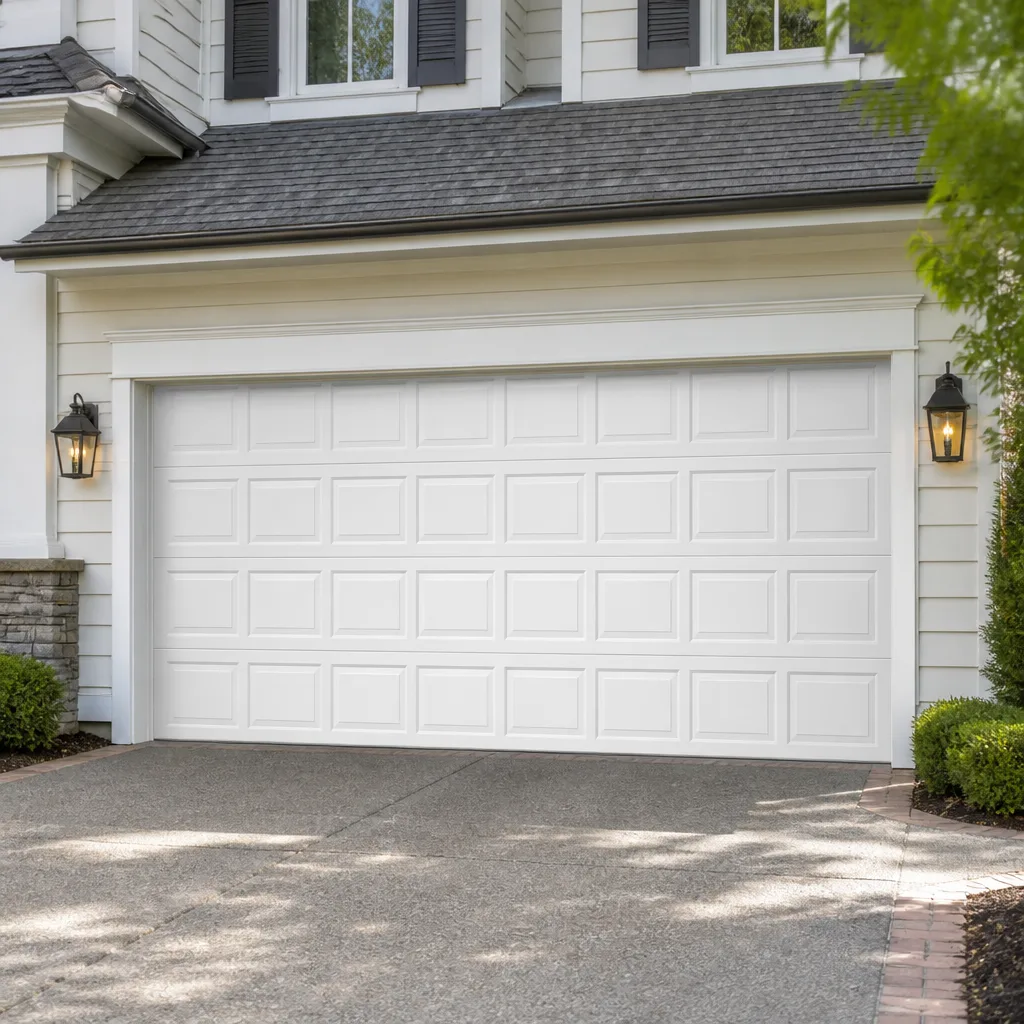 Raised-panel steel
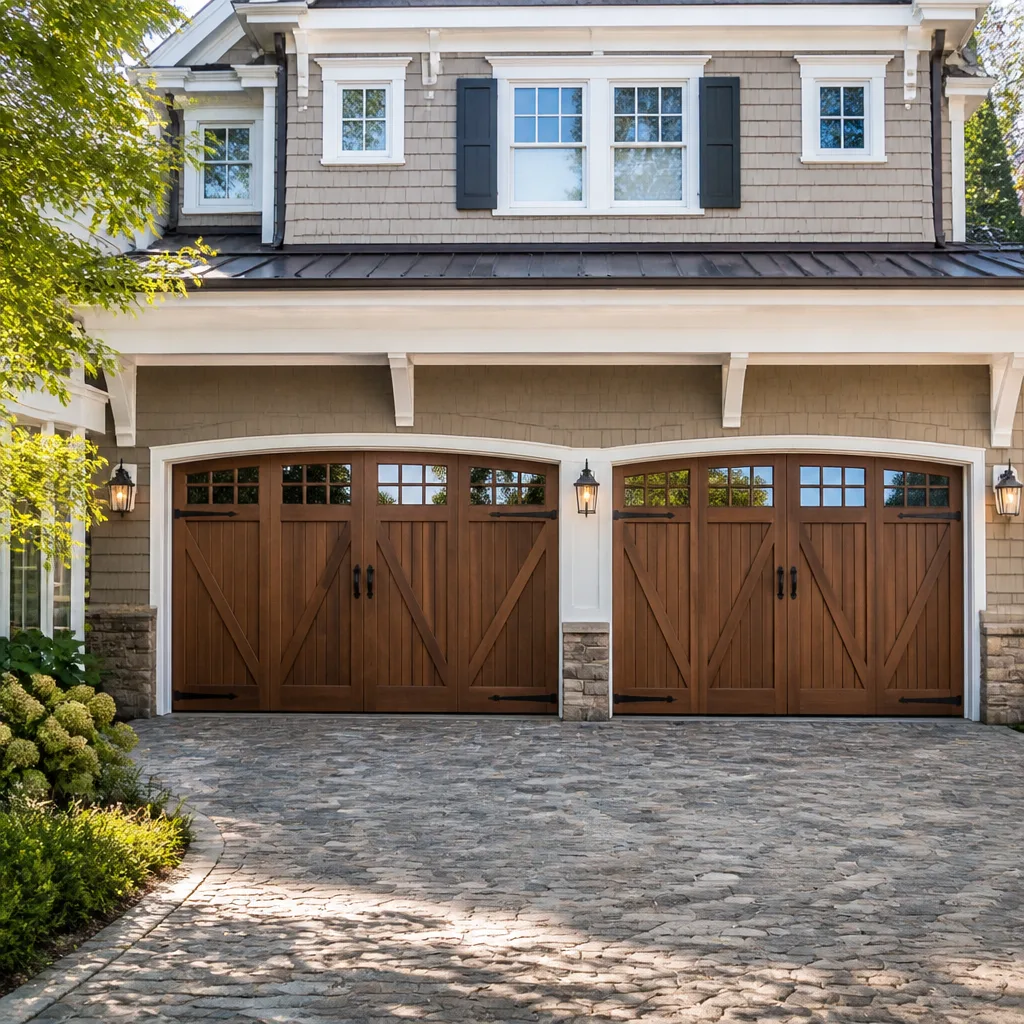 Carriage house
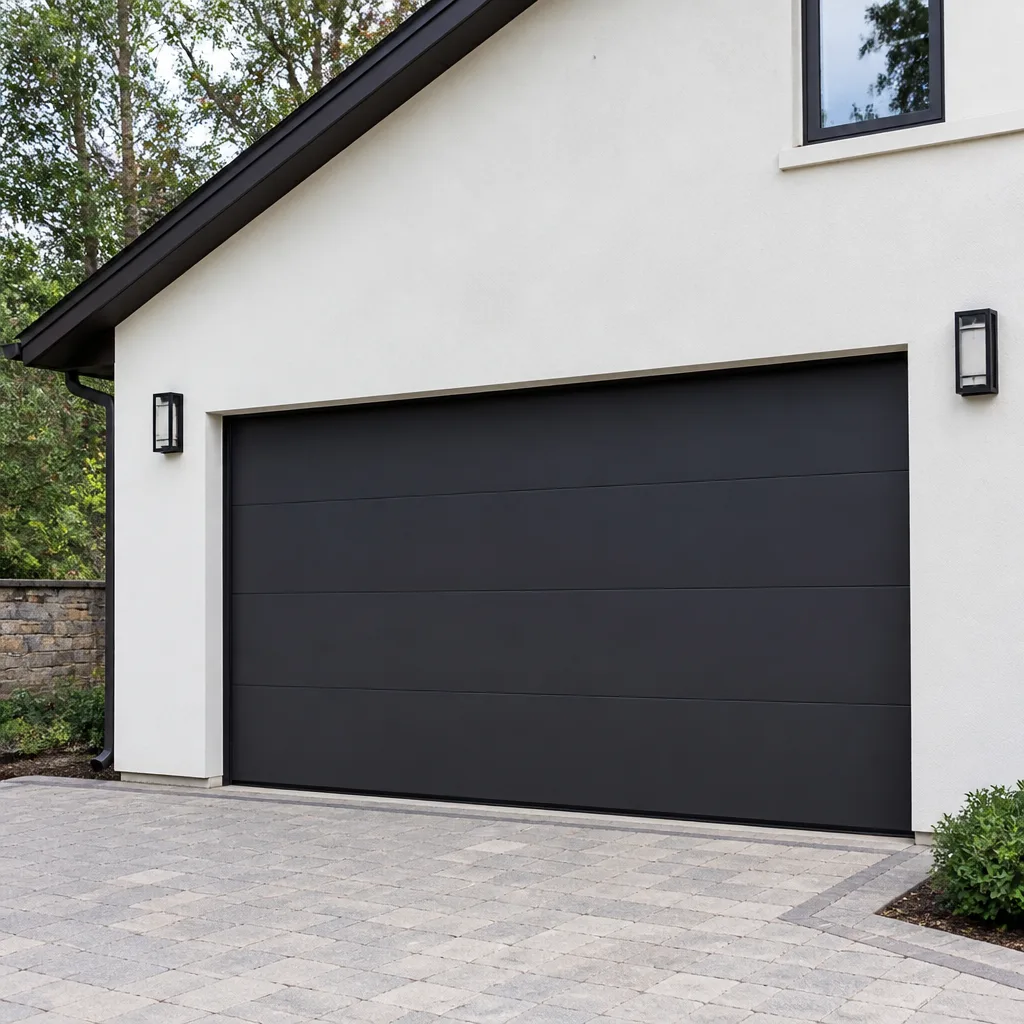 Modern flush
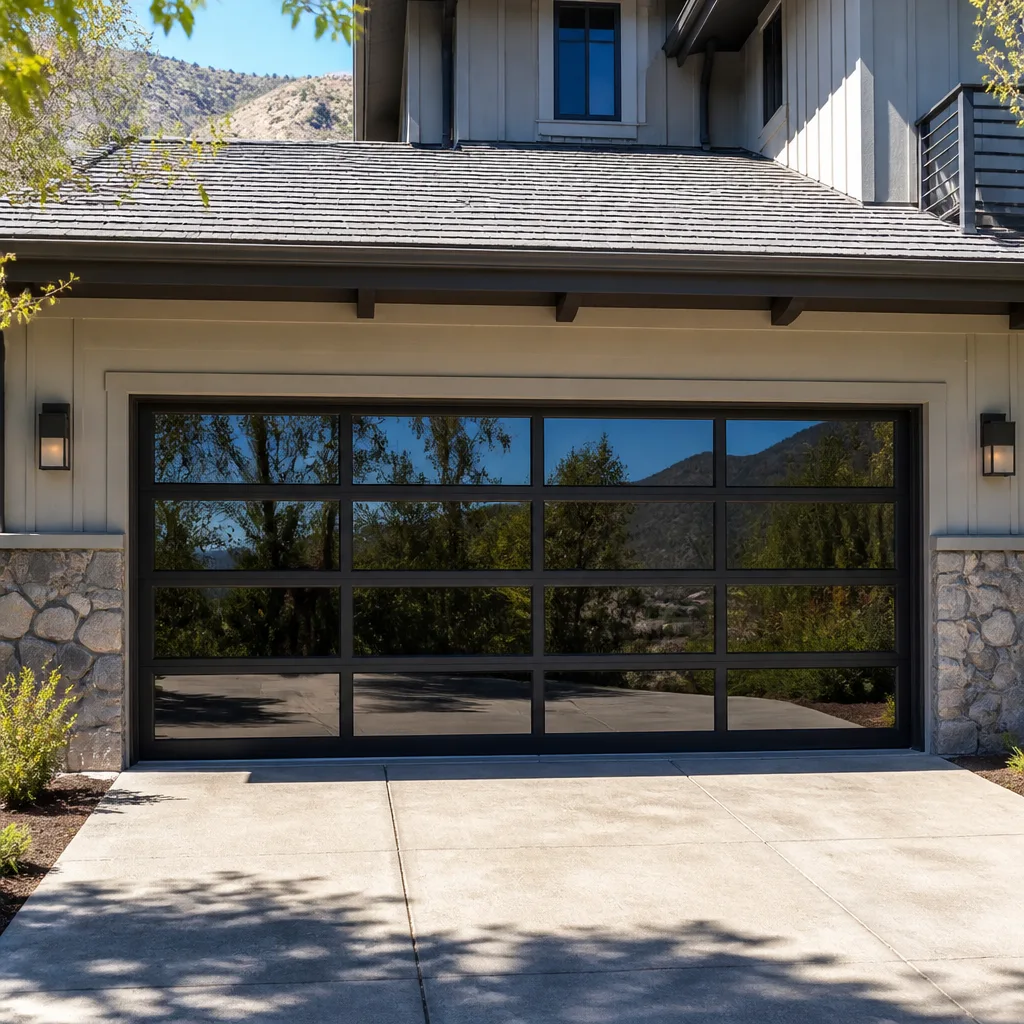 Full-view glass
 LiftMaster openers
 Chamberlain openers
Full 25-point door and opener safety check with every visit - springs, cables, rollers, tracks, and your LiftMaster or Chamberlain opener included
You get a price before we start. It does not change when the pro arrives.
Get your free estimateDIY vs Professional Garage Door: The Somerton Homeowner’s Decision Guide
Most DIY-versus-pro advice for garage doors is framed as a skill question: are you handy enough to handle it yourself? That framing misses the point. The real dividing line runs between tasks that can hurt you or void your warranty, and tasks that genuinely save money when you do them yourself. A torsion spring stores enough energy to break a wrist or worse when it’s wound slightly wrong, and yet it sits in dozens of tutorials with no honest accounting of what goes wrong. This guide draws the line clearly for Somerton homeowners, task by task.
Quick Answer
Safe DIY garage door work in Somerton means weatherstripping, painting panels, tightening accessible bolts, and pairing smart opener accessories. Anything that involves the torsion spring, the torsion bar, the cables, the bottom bracket, or the opener’s high-voltage wiring belongs with a trained technician. The dividing principle is simple: if releasing the wrong fastener or losing your grip puts stored mechanical energy or a 200-pound door in motion above you, it’s a professional job.
Styles & brands we work with
- Raised-panel steel
- Carriage house
- Modern flush
- Full-view glass
- LiftMaster openers
- Chamberlain openers
Table of Contents
- The real risk map: which parts store energy and which don’t
- The genuinely safe DIY tasks
- When to stop and call before you start
- Why torsion springs belong to a technician, every time
- The real cost comparison
- What DIY does to the warranty
- An honest self-assessment framework
- Tools you would actually need
The Real Risk Map: Which Parts Store Energy and Which Don’t
The garage door is your home’s largest moving part, and most of it is inert. The panels don’t move on their own. The tracks guide but don’t store force. The risk lives in four components, and once you can name them, the decision about what to touch yourself becomes much easier to make.
Here’s the breakdown that matters:
- Torsion spring and torsion bar: the spring is wound under tension and holds the door’s full weight while it moves. Highest risk on the entire door.
- Extension springs (older doors): run along the horizontal tracks above the door, also under high tension. Same caution applies.
- Lift cables and bottom bracket: under constant tension from the spring system. The bottom bracket is the most dangerous fitting on the door.
- Opener high-voltage wiring: connects the opener motor to household power. Live current, and requires the circuit to be off and verified, not just switched off at a wall panel.
Everything else on the door is fair game for a careful homeowner. Weatherstripping along the bottom and sides, hinges on a sectional door, rollers that slide out of their brackets, the manual lock bar, the tracks themselves when they need a gentle adjustment, and the visible hardware all work the way they look like they work. No hidden energy, no stored force waiting to release.
In Somerton this distinction matters more than it might in a milder climate. Cold snaps stiffen old seals and make wooden panels contract, which brings plenty of calls from homeowners who think the door itself is broken when it’s a worn weatherstrip pulling away from the frame. That’s a task we happily tell people to handle themselves. A torsion spring that snapped on a freezing morning is not.
The Genuinely Safe DIY Tasks in Somerton
Some garage door work is both safe and worth doing yourself. Here’s where Somerton homeowners commonly save money without taking on real risk.
- Weatherstripping replacement. The rubber seal at the bottom of the door takes the brunt of summer heat and winter cold. It slides into a channel at the bottom of the door and can be pulled and replaced with hand tools. It’s one of the most cost-effective fixes a homeowner can do, and it makes a real difference to drafts and to how the door seats when it closes.
- Painting or refinishing panels. If the coating on a steel Clopay or Amarr door is fading, or a wood door needs a fresh coat, painting is straightforward as long as you prep the surface. No stored energy, no specialty tools.
- Smart opener accessories. A wireless keypad, a phone-app module for a Chamberlain or Genie opener, or a battery backup that plugs into the unit are all low-voltage add-ons. They don’t require opening the motor housing or touching the high-voltage line. If the app pairing goes wrong, that’s a call, but the physical installation is safe.
- Tightening visible hardware. Hinges, brackets, and bolts on the door panels loosen over time from the daily up-and-down motion. Tightening them with hand tools is safe and takes minutes. Do not touch anything that looks like it’s holding a spring or cable in place.
- Cleaning and lubricating tracks and rollers. A quick wipe-down of the tracks and a few drops of garage-door lubricant on the rollers reduce the noise and strain on the opener. This won’t fix a bent track, but it keeps the door running smoother.
What all these have in common: no part of the work puts your hands inside the spring system, no part of the work requires the door to be propped open in a way that relies on stored force, and any failure just means the door is noisier or the seal is worse, not that something is about to snap.
When to Stop and Call Before You Start
Some jobs announce that they’re beyond a homeowner’s reach, and others look benign until the work is underway. The honest rule for a Somerton homeowner is to call a professional before starting if any of the following applies.
- The door is stuck open or stuck closed, and releasing the opener won’t move it.
- There is a visible snap, crack, or sag in a torsion spring.
- The door has come off one track, or one side is hanging lower than the other.
- A cable has come loose, frayed, or is visibly damaged.
- The opener runs but the door doesn’t move, or the door moves a few inches and stops.
- You’ve replaced the batteries in the remote and the door still doesn’t respond.
- You’ve already removed a fastener and heard something release tension you didn’t expect.
That last one is a hard stop. Once spring tension has been released without a trained hand at the bar, the safe path is to close the area off and call for help. It’s not a “wait and see” situation. If the door won’t close overnight, it also leaves the house exposed, which is one of the reasons we treat emergency garage door repair as a core part of the work rather than a premium add-on. Our technicians have up to 14 years of experience and work on the brand you already own, whether that’s a Chamberlain opener, a Genie unit, a Clopay door, or something older.
Why Torsion Springs Belong to a Technician, Every Time
A torsion spring is a coiled steel bar that holds the full weight of a 100-to-300-pound door, and the winding process packs hundreds of foot-pounds of torque into it. That’s not a disclaimer. It’s the physics of the part. The bars used to wind a torsion spring can spin free at substantial speed if the bar slips during the job, and the spring itself can whip once the last turns come off. Neither is something a homeowner can control with care and patience alone; it’s a function of the wrench slipping at the wrong moment.
The extension-spring version on older doors carries a related risk. Those springs sit above the door, along the tracks, and when one lets go, it can travel. If the safety cable is missing or worn, the spring is free to move. On some older doors we see in Somerton, the cable is there but rusted through at a bracket, which means it wouldn’t hold anyway.
There’s a second reason spring work belongs with a trained technician: door balance. A spring is sized to the door’s weight. Put the wrong spring in, and the door will fight the opener, wear out the gears, and eventually stall. That’s one of the most common reasons a newer opener fails early. The door was never truly balanced, and nobody noticed because the old opener had been compensating for years.
Spring repair is one of the most dangerous DIY garage door tasks, and it belongs with a technician who has the right bars, the right spring gauge, and the balance check that follows. The same goes for the cables and the bottom bracket. If you’re seeing a snapped spring, a hanging cable, or a door that sags on one side, call (844) 992-2726. We answer 24/7.
The Real Cost Comparison: DIY vs Professional Garage Door Work in Somerton
The visible cost of DIY is the parts. The actual cost includes what the parts don’t cover, and that second number is where the math usually turns against a homeowner.
Direct costs of professional work in Somerton (typical, by written estimate):
- Torsion spring replacement (one spring): typically $180 – $340. A matched pair, which is usually replaced together, runs about twice that.
- Extension spring replacement (pair): typically $150 – $280.
- Cable replacement (pair): typically $140 – $260.
- Opener repair: typically $120 – $280, depending on the part.
- New opener installation: typically $350 – $750, sized to the door and the opener type.
- New door installation: a range, not a single number; the written measure sets the price.
What DIY actually costs when it goes sideways:
- Specialty tools. Winding bars, a proper spring gauge, a safety cable kit, and a torque wrench add up quickly, and most homeowners use them once.
- Wrong-size parts. A spring sized off the door’s weight and drum type is not interchangeable with “a spring that fits.” A mismatched spring wears the opener and the door tracks.
- Voided manufacturer coverage. More on this below, but it’s a real cost that doesn’t show up until something else fails.
- A second service call after the first attempt. It’s one of the most common reasons a homeowner eventually calls us. The half-finished job costs more than the original quote would have.
The real question, then, is not “can I save the labor cost?” It’s “which task actually saves money once I count every cost?” Weatherstripping, painting, and smart accessories are genuine savings. Spring, cable, opener wiring, and door installation are not, even when they feel like they should be.
One more thing worth flagging: pricing is quoted and agreed before any work starts. The written estimate is the price. If you’ve been surprised by a garage door bill before, that’s the difference between a quote and a guess.
What DIY Actually Does to Your Warranty
Most garage door and opener manufacturers require installation and service by a qualified technician to keep the warranty valid. That’s not a scare tactic, and it’s not universal; the terms vary by brand and by the specific component. A spring covered by a manufacturer’s warranty usually requires the work to be done by someone trained on that brand’s system. A Clopay door section warranty typically depends on proper installation of the door and hardware. A Genie or Chamberlain opener warranty often hinges on whether the unit was installed by a qualified technician and whether the wiring was done to code.
What this means in practice: a homeowner can do the work, but if the spring’s tension causes the door to twist and pull the panel brackets loose, the manufacturer can reasonably say the warranty doesn’t cover it. The cost of the wrong call isn’t just the spring; it’s the panel, the track, and whatever the door hit on the way down.
The other warranty trap is the chain. If you install a new opener yourself, the opener’s coverage is one question. If the opener then fails because the door was never balanced, the balance question becomes a live issue. Trained technicians work through a full check after every repair, and that’s the part the job is actually paid for: the balance check, the safety reverse test, and the photo-eye alignment. Those are the things that make the door work reliably, not just the part that was replaced.
An Honest Self-Assessment Framework: Is DIY Right for You?
“Know your limits” is not useful advice. Here’s a framework you can run through in two minutes to make the call honestly.
- Does the work require touching the spring system, the cables, or the bottom bracket? If yes, the decision is already made. Call a professional. No exceptions.
- Would a wrong result cause injury, or just a worse result? Does it involve stored energy, high voltage, or a heavy thing moving above head height? If yes to any, call a professional. If no, you can likely handle it.
- Do you already own the tools? Do you have a torque wrench, a set of wrenches that fit the bolts, and a step ladder rated for your weight? If the job requires buying a specialty tool you’ll use once, that’s a real cost that usually cancels the savings.
- Can you pull the emergency release and lift the door by hand? A door that lifts smoothly when disconnected from the opener is more likely to be balanced. If lifting it feels heavy or awkward, don’t touch anything beyond the exterior.
- Would you know if the work was done correctly when you finished? Weatherstripping: obvious by eye. Painting: obvious. Anything involving the opener’s travel limits or the door’s balance: not obvious. If you can’t check the result, you can’t safely sign off on it.
- Does the work affect the door’s safety system? If you’d be adjusting the travel limits, the force limits, or the photo eyes, don’t. Those settings are the door’s last line of defense.
If every question comes out on the DIY side, by all means, take the work on. The savings are real, and the door will work better afterward. If any question lands on the professional side, the honest answer is that the savings were never there to begin with.
Tools You Would Actually Need: A Reality Check
The tool requirement is where a lot of DIY plans quietly fail. Here’s the honest breakdown between the two groups of tasks.
What the safe tasks require:
- A step ladder rated for your weight.
- A set of sockets or wrenches (most garage door hardware is standard-sized).
- A screwdriver set, a utility knife for trimming weatherstripping, and a caulk gun if the project is painting.
That’s it. Nothing specialty, nothing borrowed from a neighbor.
What spring and opener work requires:
- Two winding bars sized for your torsion system.
- A spring gauge and, ideally, a weight scale to size the replacement correctly.
- A safety cable kit for extension-spring doors.
- A torque wrench for the brackets and the door hardware.
- Voltage testers and code-compliant wiring connectors for opener electrical work.
Most of these don’t come as a kit, and the combined cost eats the savings from one repair. On top of that, none of them guarantees the result. The most expensive thing on this list is the bar slip you can’t buy your way out of.
Common Mistakes to Avoid
- Cutting a spring because it already looks broken. A spring that’s snapped isn’t the danger by itself; the remaining stored energy is. Don’t cut or unwind a spring section by hand.
- Pulling the emergency release and letting the door fall. If the spring is broken, the door won’t stay up. Pulling the release with the door raised drops it. Always lower the door fully before pulling the release.
- Adjusting the opener’s force or travel limits to “fix” a door that binds. The opener is compensating for a door problem, and the new setting will eventually shear the opener’s gears. Fix the door, not the setting.
- Buying a spring by length alone. Springs are sized by wire gauge, inside diameter, and length. Length alone gets the wrong spring, which is worse than no spring.
- Replacing one spring when the pair has been in service together. A matched pair is usually replaced as a set because they wear at the same rate. Replacing one almost always means the other fails shortly after.
- Touching the bottom bracket to loosen a cable. The bottom bracket is under constant spring tension and is the single most dangerous fitting on the door. Leave it alone.
- Skipping the photo-eye check after any DIY work. The door won’t stop for a person if the photo eyes are misaligned or blocked. Check the reverse every time.
See the difference
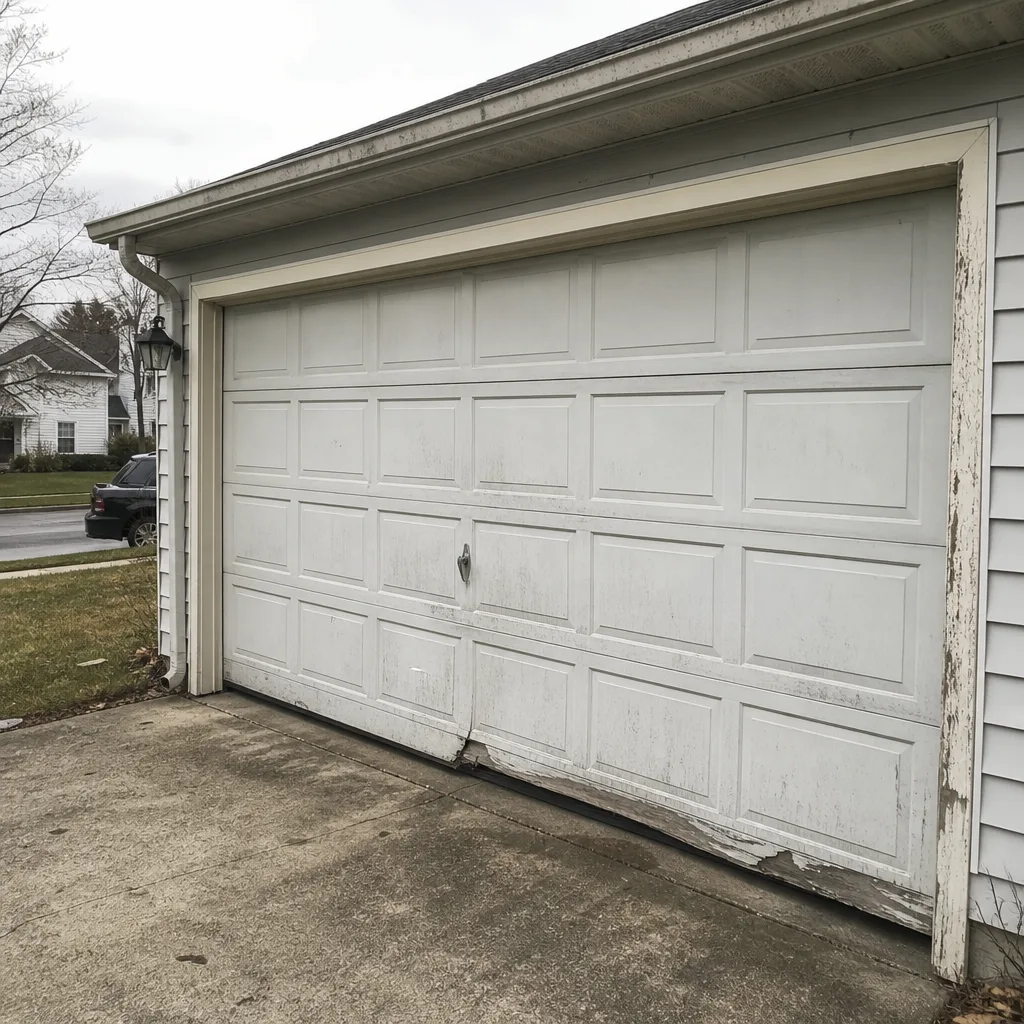 Before
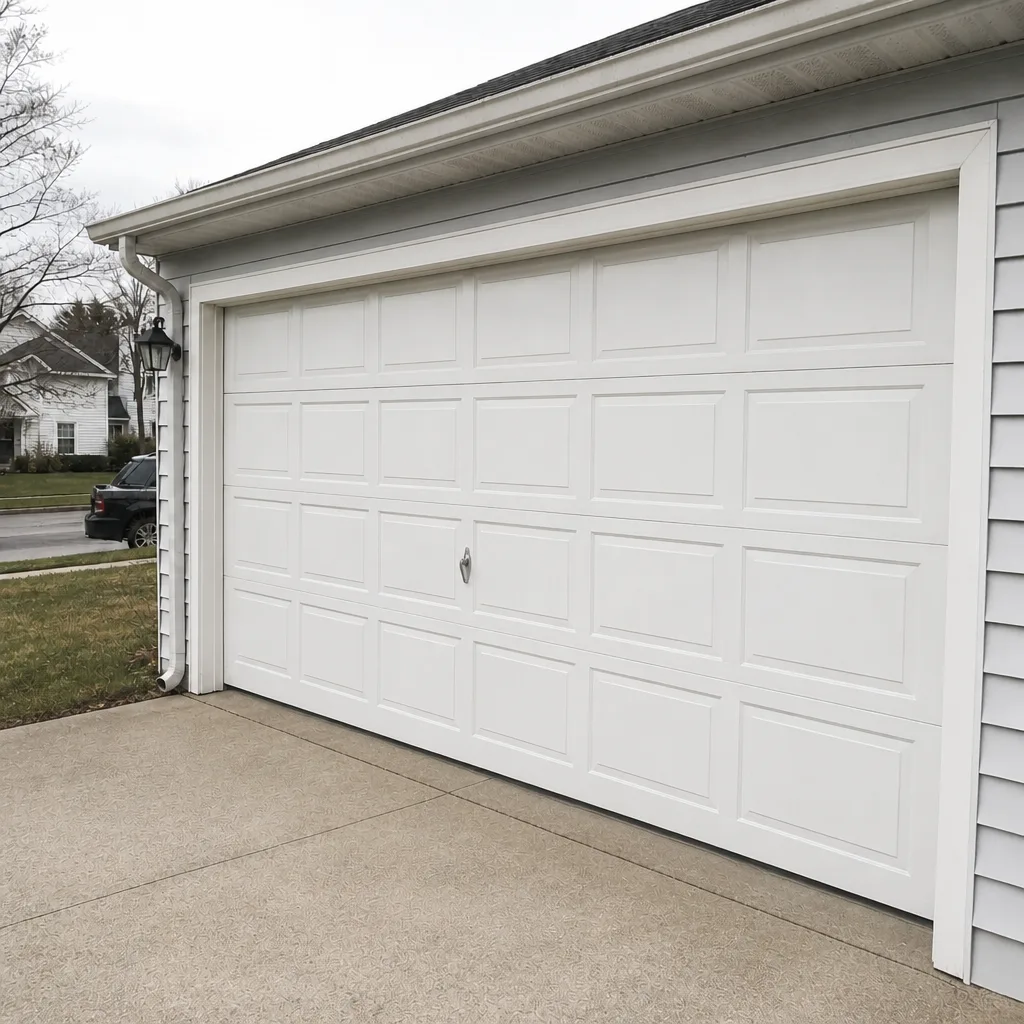 After
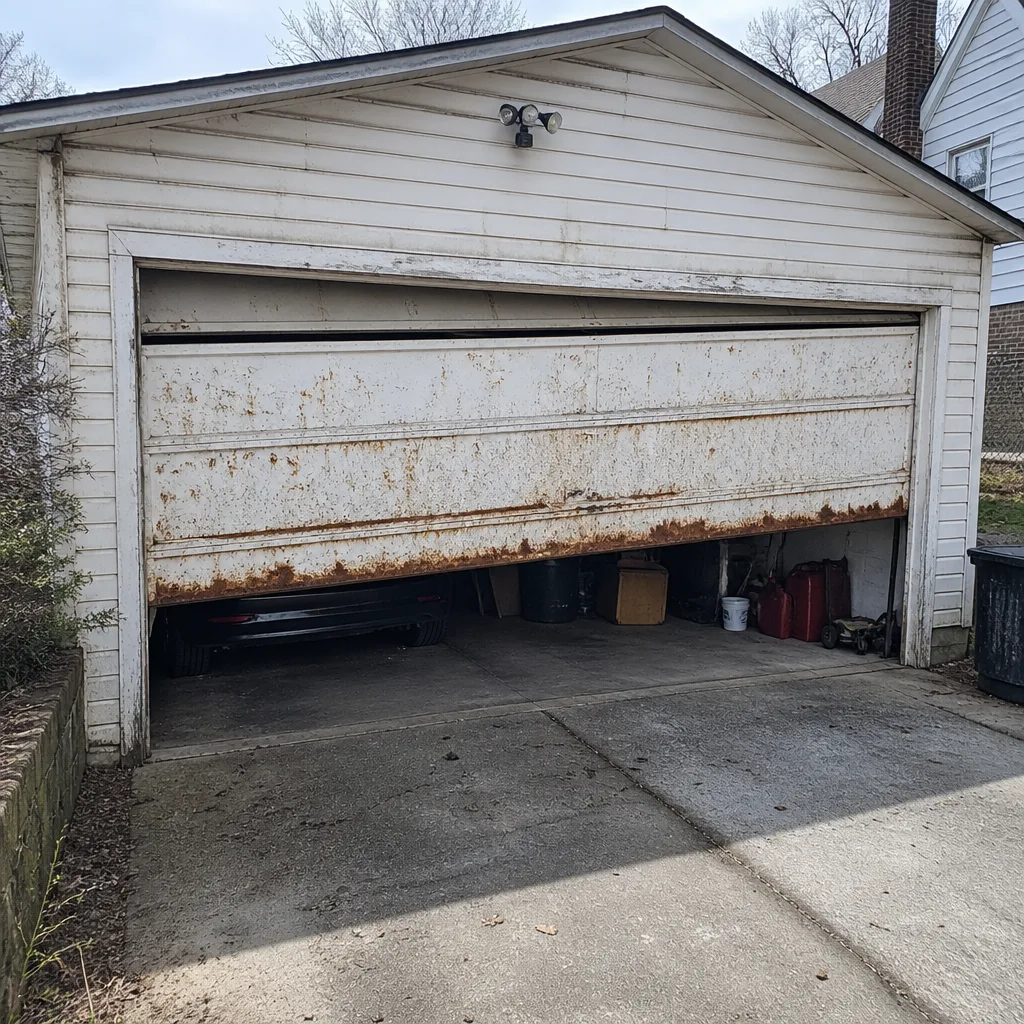 Before
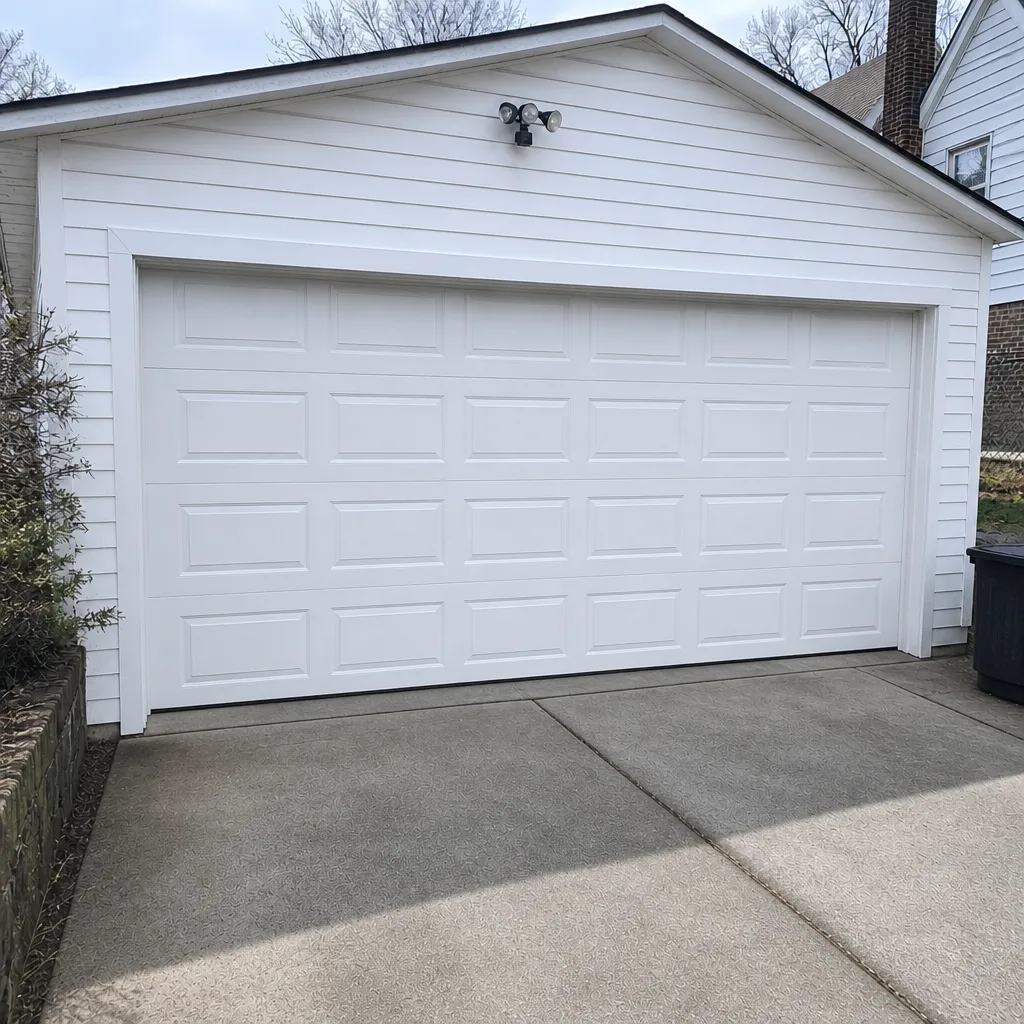 After
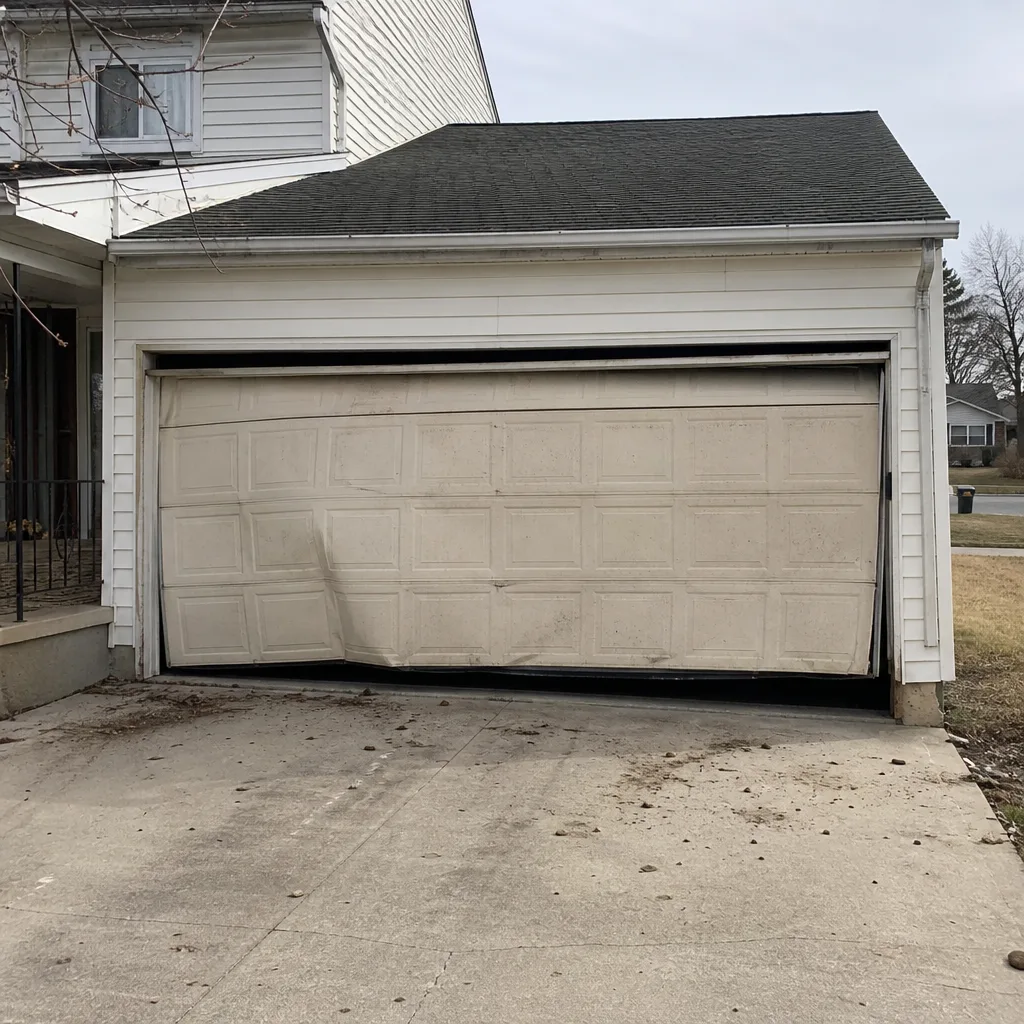 Before
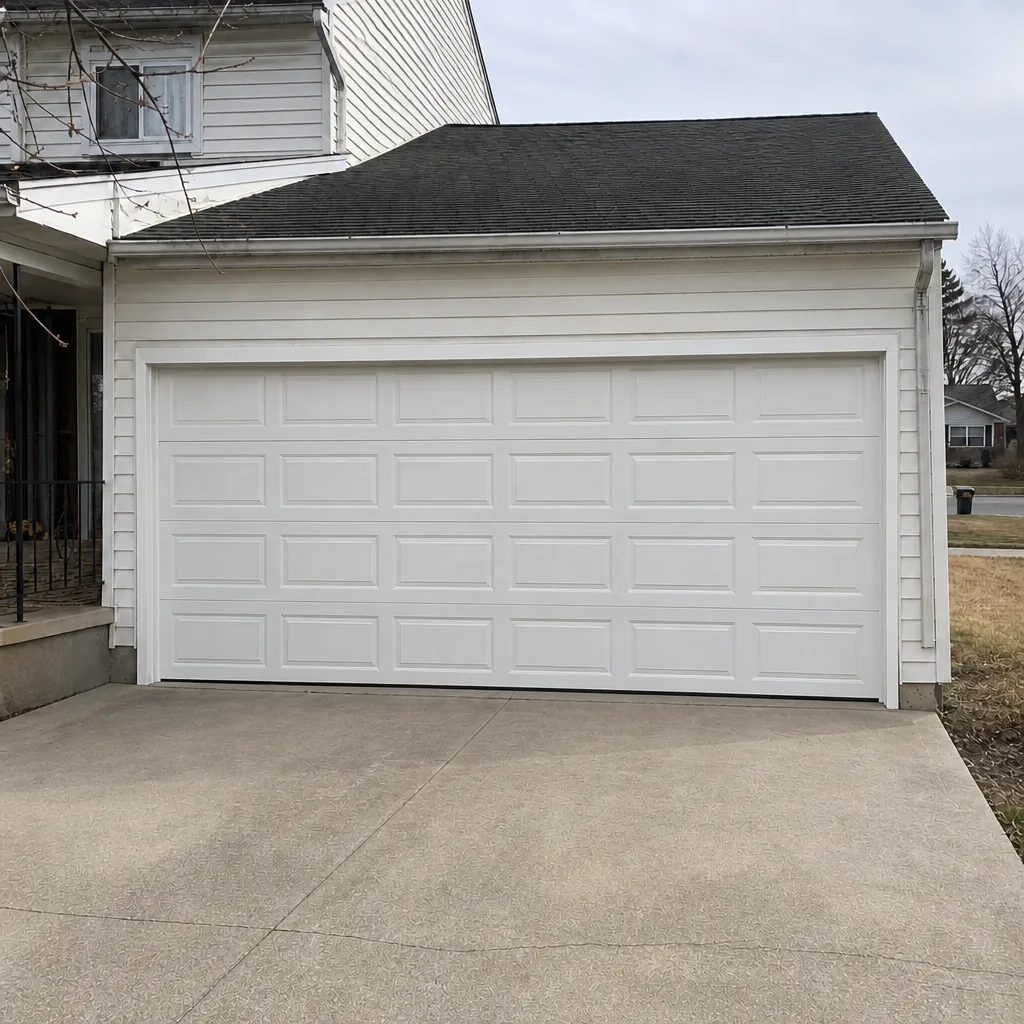 After
When to Call a Professional
Call a professional if the work involves the torsion spring, extension springs, the cables, the bottom bracket, the opener’s high-voltage wiring, or installing a new door. Those are the tasks where a wrong move can cause real injury, and where an incorrect result may void a manufacturer’s warranty. Call us if the door won’t close, sags on one side, is stuck halfway, or has a visible break in a spring or cable; those scenarios aren’t a “wait until morning” situation. And call us if you’d rather not find out the hard way whether the spring is going to hold; the estimate is free, and it’s an opportunity for a trained technician to confirm whether the door is balanced on both sides.
Garage Door Repair Somerton offers free estimates in Somerton. Call (844) 992-2726. We answer 24/7. Fast dispatch from 7am to 7pm, Sunday through Friday. We work on the brand you already own, whether that’s a LiftMaster opener, a Chamberlain wall unit, a Wayne Dalton door, or a Craftsman opener of an earlier vintage. Our technicians have up to 14 years of experience, and every price is quoted and agreed in writing before work starts.
Frequently Asked Questions
It depends on the task. Weatherstripping, painting panels, tightening visible hardware, cleaning tracks, and pairing smart opener accessories are genuinely safe DIY jobs. Torsion springs, extension springs, cables, the bottom bracket, opener high-voltage wiring, and full door installation should be handled by a trained technician. The dividing line is whether the task involves stored energy or live electrical current. Call (844) 992-2726 for a free estimate if you’re unsure which side of the line your task falls on.
No. Torsion and extension springs store enough force to cause serious injury during removal and installation, and the sizing requires matching the spring to the door’s exact weight. A mismatched spring also wears the opener and the door. Spring repair is one of the most dangerous DIY garage door tasks, and it belongs with a technician who has the right bars, gauge, and balance check.
A single torsion spring typically runs $180 – $340, and a matched pair, which is usually replaced together, is about twice that. Extension spring replacement typically runs $150 – $280 for the pair. Call (844) 992-2726 for an exact quote; estimates are free and every price is agreed in writing before work starts.
It can. Most manufacturers require qualified technician installation and service to keep a component’s coverage valid, and the terms vary by brand. A Genie, Chamberlain, Clopay, or Amarr warranty typically hinges on proper installation and the correct balance of the door. If the work is done without training on that brand, coverage for the affected part can be refused.
Yes, same-day service is available for doors that won’t close or are stuck. Call (844) 992-2726. We answer 24/7, and fast dispatch runs from 7am to 7pm, Sunday through Friday. If the door is stuck open, we treat that as an urgent security concern, not a next-week appointment.
Check the remote batteries, confirm the opener is plugged in and receiving power, look up at the torsion spring for a visible break, and confirm the photo eyes aren’t blocked. If the door still won’t close after that, call (844) 992-2726. The check takes two minutes and it tells us whether it’s a quick repair or a bigger issue.
The Bottom Line
The DIY question for garage doors isn’t about how handy you are. It’s about which parts of the door store enough energy to hurt you, and which don’t. Weatherstripping, painting, smart accessories, and visible hardware are all genuinely safe, and they save real money. Springs, cables, the bottom bracket, opener wiring, and full door installation are not, regardless of the tutorial you watched. Factor in the tools, the wrong-size parts, and the warranty voidance risk, and the “savings” usually aren’t there. If the door won’t close, won’t open, or shows a snapped spring, don’t wait.
Call (844) 992-2726 for a free estimate. We answer 24/7. Fast dispatch from 7am to 7pm, Sunday through Friday. One call covers it: repair today, installation later, and a trained technician who knows the brand you already own.
Written by the team at Garage Door Repair Somerton.